
Last updated November 22, 2026
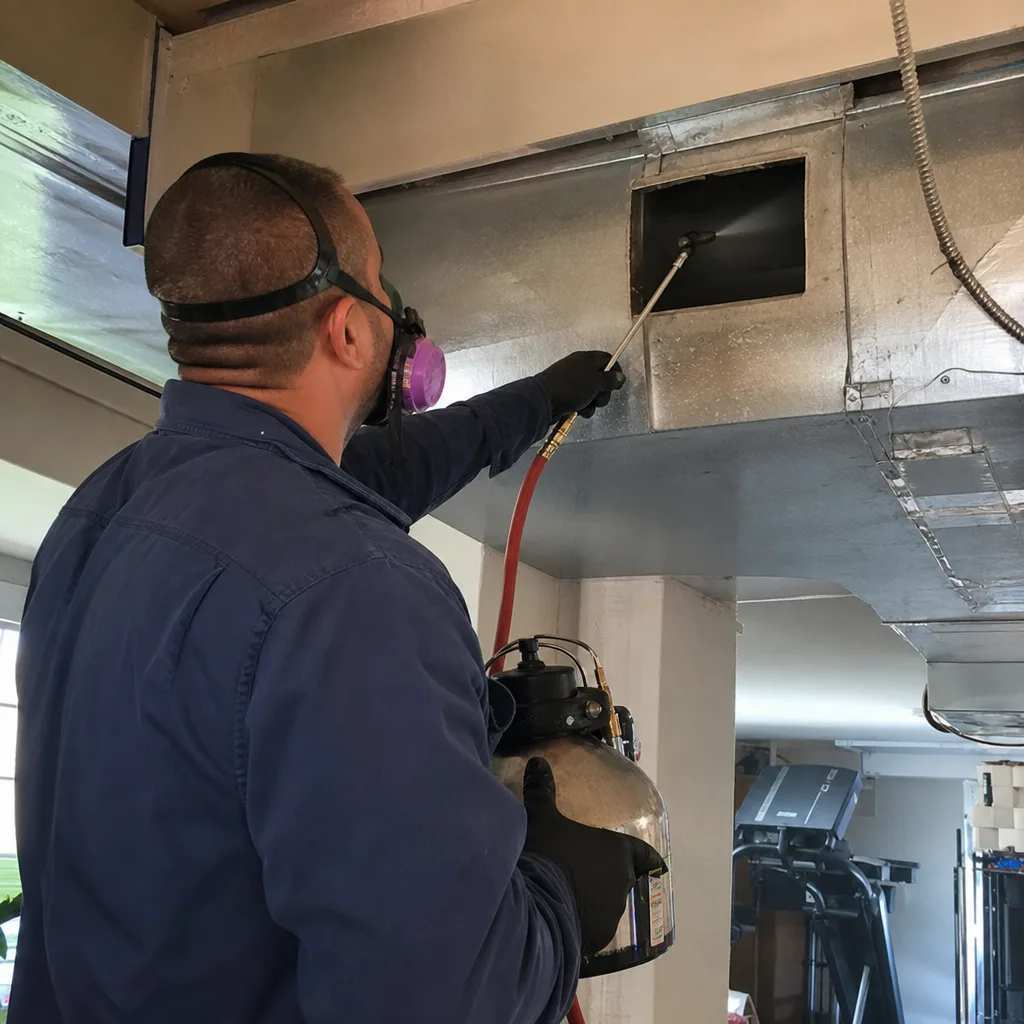
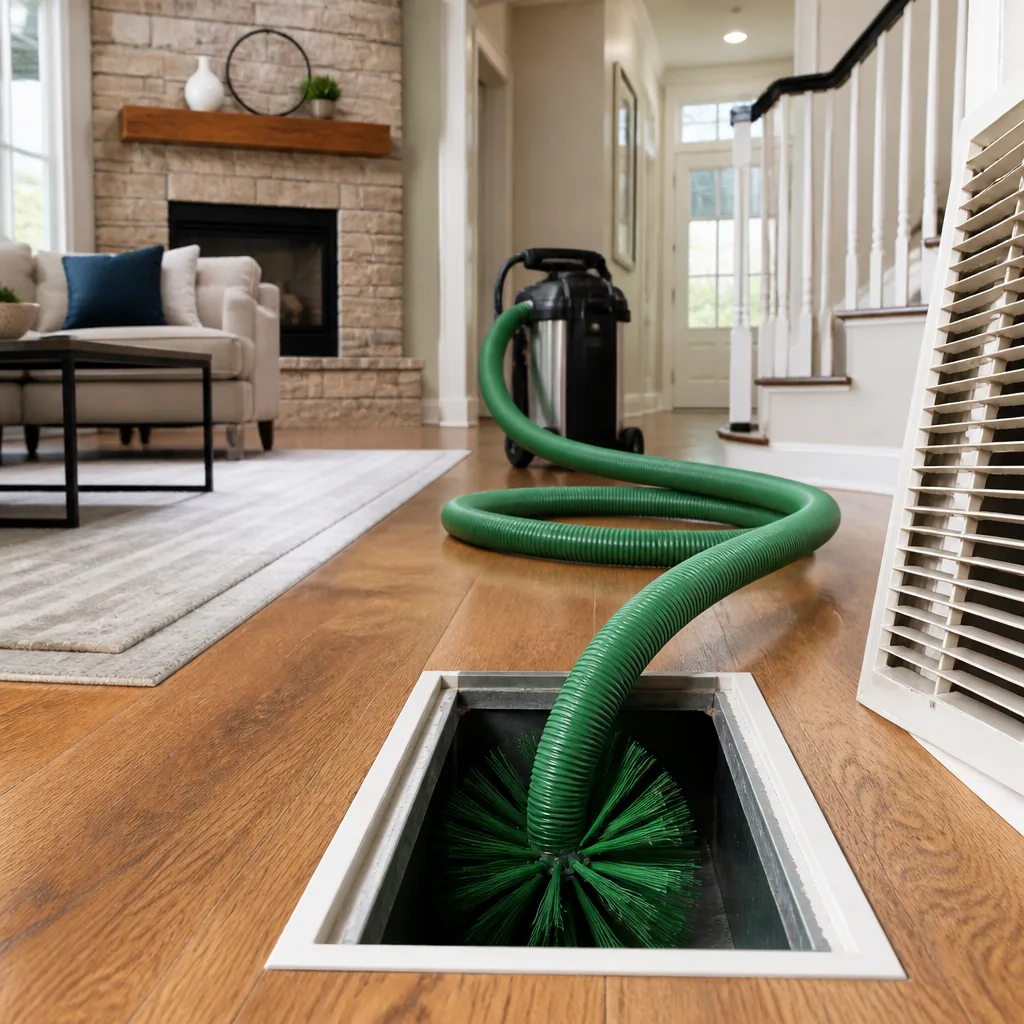 Whole-home duct cleaning
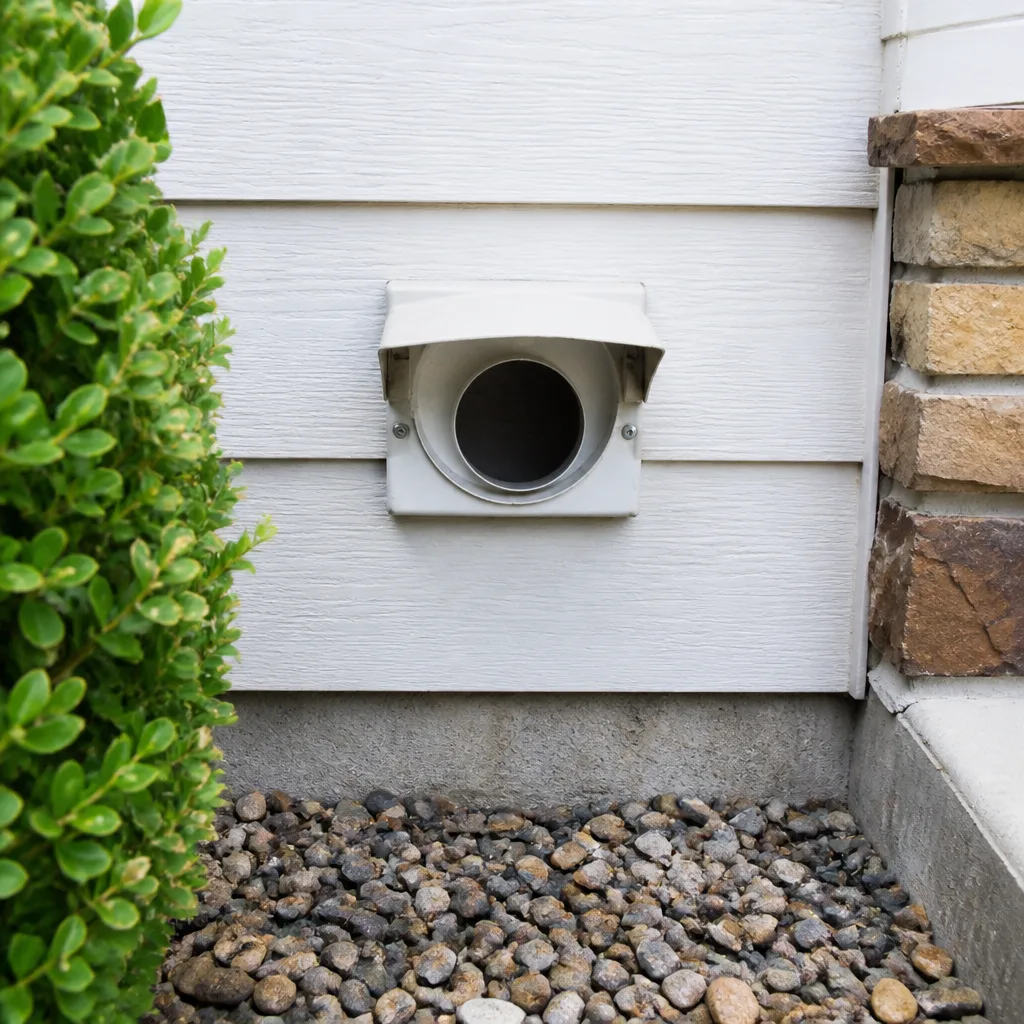 Dryer vent cleaning
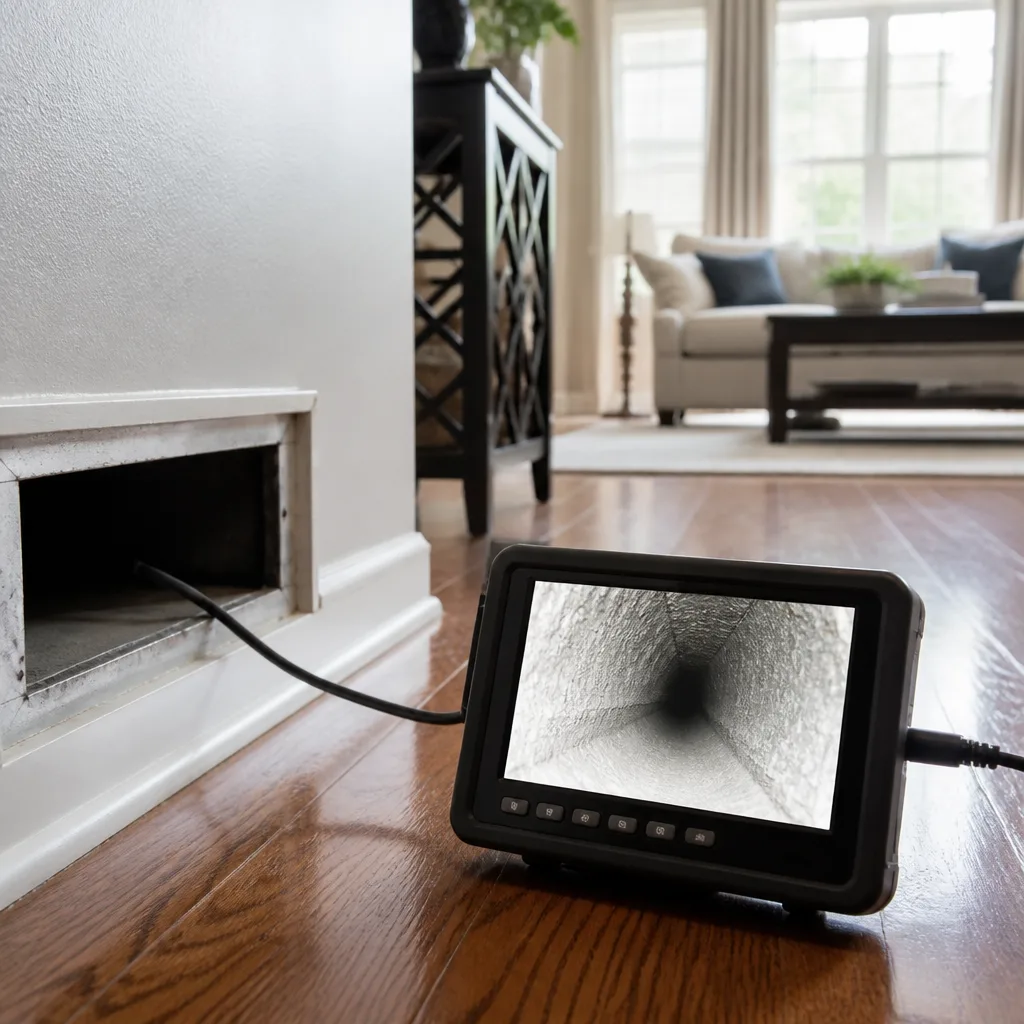 Camera inspection
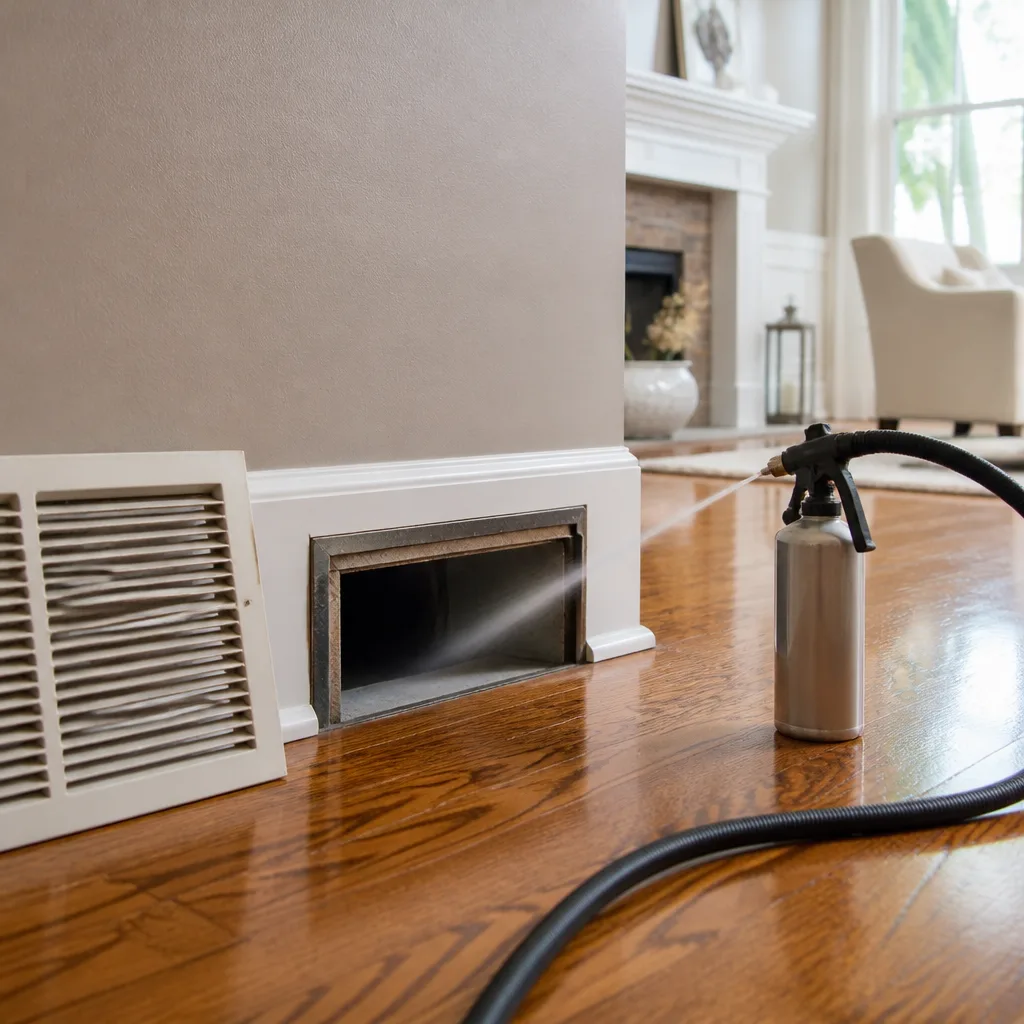 Sanitizing & deodorizing
Whole-system duct and dryer vent check with before-and-after photos - you see exactly what came out of your vents
That "$99 whole-house special" is a bait ad - the real number appears once they are in your hallway, or the "clean" is a shop-vac at the register. We photograph the inside of your ducts before and after instead.
The Complete Guide to Air Duct Cleaning in Upper West Side
Most Upper West Side apartments were built before central air was standard. That single fact changes everything about how ductwork in this neighborhood behaves. Ducts here were retrofitted into spaces never designed for them – threaded through closets, dropped ceilings, and wall cavities in buildings that predate the technology by decades. Those irregular pathways collect debris at rates that the “clean every three to five years” guideline was never written to account for. This guide maps the full system pathway specific to Upper West Side residential buildings, explains what a complete job actually involves, and shows you how to verify that one was done.
Quick Answer
Air duct cleaning in Upper West Side buildings means cleaning the entire air pathway – supply ducts, return ducts, the air handler, coils, and drain pan – using professional-grade contact equipment like Rotobrush and Nikro, not shop vacuums. In pre-war and mid-century co-ops, this usually requires access coordination with building management and an understanding of how shared risers work. A complete, verifiable job includes before-and-after documentation and airflow measurement, not just vacuumed vent covers.
Styles & brands we work with
- Whole-home duct cleaning
- Dryer vent cleaning
- Camera inspection
- Sanitizing & deodorizing
Table of Contents
- How Pre-War and Mid-Century Construction Shapes Ductwork in Upper West Side
- Why Shared HVAC Systems in Co-ops and Condos Need More Than a Single-Unit Clean
- The Full Air Pathway: Supply, Return, Air Handler, Coils, and Drain Pan
- What NADCA Standards Actually Require vs. Blow-and-Go Service
- The Equipment Difference: Rotobrush, Nikro, and Abatement Technologies
- How to Verify a Complete Clean: Documentation and Airflow Measurement
- Sealing, Sanitizing, and Restoring What’s Already There
- Dryer Vents: The Overlooked Safety Service in Upper West Side Apartments
How Pre-War and Mid-Century Construction Shapes Ductwork in Upper West Side
The Upper West Side has one of the densest concentrations of pre-war and mid-century residential buildings in the country. Buildings from the 1900s through the 1950s line blocks from West 59th Street up toward Columbia, and the ductwork inside them is rarely what a technician trained in suburban construction expects. When central air and forced-air heating were retrofitted, installers worked around load-bearing walls, plumbing stacks, and elevator shafts. The result is duct runs that turn more often, change diameter unpredictably, and sometimes share chases with plumbing or electrical conduits.
What does that mean for contamination? It means debris settles in places standard cleaning equipment can’t reach with a straight pass. Every hard turn is a collection point. Every flexible connector added during a retrofit is a place where dust accumulates and, over time, becomes a feeding ground for buildup. In our experience across Upper West Side buildings, we routinely find that the most contaminated sections of a duct run are the ones behind kitchen walls and above bathroom ceilings – not the straight runs visible from a vent.
- Retrofit duct runs in pre-war buildings change direction more often, creating more collection points
- Older galvanized ductwork develops seams and joints that trap debris and can leak over time
- Ducts routed through interior wall cavities pick up construction dust from decades of renovations
- Buildings that have converted heating systems over the years often have mixed duct types in one apartment
- Access panels are often undersized or nonexistent, requiring careful coordination to open the system for cleaning
This construction reality means that a one-size-fits-all checklist doesn’t serve Upper West Side residents well. The ductwork here needs to be inspected for layout first, and the cleaning plan built around what’s actually in the walls. That’s a different approach than most operators take, and it’s the first reason this neighborhood’s air duct cleaning looks unlike what you’d get in a suburban house.
Why Shared HVAC Systems in Co-ops and Condos Need More Than a Single-Unit Clean
Here’s a fact that surprises many Upper West Side co-op owners: in buildings with shared HVAC risers or central systems, cleaning your unit in isolation often doesn’t solve the problem. If the return air travels through a shared chase or the supply riser runs through multiple floors, contamination upstream of your apartment can migrate back in. A single-unit clean can genuinely improve your air quality, but it won’t fix a building-level issue.
This is where coordination matters. Before cleaning, a proper assessment should establish where your unit’s air pathway begins and ends, and whether any part of it is shared. In pre-war buildings along Central Park West and Riverside Drive, we’ve seen risers that serve multiple apartments and stacks that connect to common areas. Cleaning those requires working with building management and, often, coordinating with neighboring units so that debris isn’t pushed from one apartment into another.
- Map the air pathway first. Identify the supply and return runs that belong to your unit and those that are shared with the building.
- Coordinate with management. Confirm access points, building protocols, and any work-hour restrictions before scheduling.
- Protect the shared space. Negative-air equipment and containment keep debris from migrating into hallways or neighboring units during the job.
- Clean from the source outward. When a shared riser is involved, contamination should be addressed upstream before cleaning the individual unit.
- Document what’s shared and what’s not. A clear record helps building management decide whether adjacent units need the same work.
Property managers in Upper West Side buildings understand this better than most homeowners. When we work with a building, the goal is a clean system that serves every unit, not a quick vacuum of one apartment’s vents. If your building has a shared system, ask whether a building-level assessment makes sense before scheduling a single-unit service.
The Full Air Pathway: Supply, Return, Air Handler, Coils, and Drain Pan
Air duct cleaning is often sold as if the ducts are the only thing that matters. They’re not. The full air pathway is a connected system, and cleaning any part of it in isolation leaves the rest contaminated. The system has five components, and a complete job addresses all of them.
- Supply ducts: The branches that deliver conditioned air to each room. These are usually what people picture when they think about duct cleaning, and they’re the most visible part of the pathway.
- Return ducts: The ducts that pull air back to the air handler. Returns often carry more contamination than supplies because they pull in whatever’s floating in the room, including dust from pets, cooking, and street-facing windows.
- Air handler: The blower unit that moves air through the system. Dust collects on fan blades and in the cabinet, and a dirty blower can recirculate debris through every duct in the apartment.
- Coils: The evaporator coil in a cooling system is often wet, which makes it a magnet for dust and biological growth. Dirty coils reduce efficiency and can harbor contaminants that get pushed back into the air.
- Drain pan: Condensation collects here, and standing water combined with dust creates a breeding ground. Cleaning the pan and confirming the drain runs freely is part of a complete job.
Stopping at vents means the parts of the system you can’t see stay dirty. That’s why we treat HVAC cleaning as part of the same service, not a separate add-on. When the air handler, coils, and drain pan are cleaned along with the ducts, the whole system starts fresh instead of pushing debris back into freshly cleaned ducts the moment the fan turns on. In Upper West Side apartments with older systems, this distinction matters even more, because the components have often taken years of use without a full cleaning.
What NADCA Standards Actually Require vs. Blow-and-Go Service
NADCA – the National Air Duct Cleaners Association – publishes the industry standard for what “source removal” actually means. Source removal is the principle that contamination must be physically removed from the system, not just loosened or displaced. A blow-and-go operator uses a shop vacuum or compressed air to knock debris off duct surfaces and into the air stream, where it either settles back or gets pushed into the living space. That’s not cleaning. It’s movement.
A NADCA-aligned job includes several steps that a blow-and-go service skips entirely:
- System inspection before cleaning. Identify duct layout, contamination level, access points, and any damage or leaks that will affect the cleaning approach.
- Containment and negative air. Establish negative pressure in the system so debris is pulled toward the vacuum, not into the apartment.
- Contact cleaning. Mechanically agitate duct surfaces with rotary brushes or air whips, then extract with a HEPA-filtered vacuum. This is the source-removal step.
- Component cleaning. Clean the air handler, coils, and drain pan – not just the duct runs.
- Post-cleaning verification. Inspect the system after cleaning to confirm surfaces are clean and no debris was left behind.
- Documentation. Provide photos or video of the before and after states so the customer can see what was done.
Why does this matter in Upper West Side buildings in particular? Because retrofit ductwork hides more than standard ductwork does. A blow-and-go operator who can’t see behind a wall has no way to know whether the job is complete. A careful cleaning with proper access, containment, and documentation is the only way to know the system in your apartment is actually clean. If you’re comparing quotes and one is dramatically lower than another, ask what steps are included. The difference is usually the verification – and often, whether the system gets contained at all.
The Equipment Difference: Rotobrush, Nikro, and Abatement Technologies
The equipment matters more than most homeowners realize. A shop vacuum cannot move enough air to pull debris out of a duct system – it just disturbs the surface. Professional-grade equipment is purpose-built for this job, and the difference shows in the results.
- Rotobrush contact-cleaning systems: Rotobrush units use a rotating brush head attached to a flexible hose to physically scrub duct surfaces while extracting debris. This is contact cleaning – the brush touches the surface, loosens the contamination, and the vacuum pulls it out. It’s the standard for source removal in residential ductwork.
- Nikro commercial HVAC vacuums: Nikro equipment generates the airflow and filtration needed to extract debris from a large system. A HEPA-filtered Nikro vacuum attached to a contained duct system creates the negative pressure that keeps debris from escaping into the apartment.
- Abatement Technologies air scrubbers: These units are the same class of equipment used in mold and disaster remediation. In our sanitizing process, they run as negative-air machines, filtering the air in the work area so that anything disturbed during cleaning is captured rather than left to float through the apartment. This is remediation-grade filtration, not a deodorizer spray.
For Upper West Side apartments, that last point matters. In a suburban house, a small amount of dust escaping during cleaning gets lost in the air or settles harmlessly. In a pre-war co-op with shared hallways and neighbors on both sides of every wall, keeping debris contained is a real consideration. Abatement Technologies equipment is what makes that possible. Alongside Rotobrush and Nikro, it’s the reason our work can be called remediation-grade rather than just thorough, and it’s the equipment that separates a professional service from a quick vacuum job.
How to Verify a Complete Clean: Documentation and Airflow Measurement
You shouldn’t have to take a technician’s word for it. A complete clean leaves evidence, and part of a professional job is providing that evidence. If a company can’t show you what was done, assume it wasn’t done the way it should have been. Here’s what to ask for.
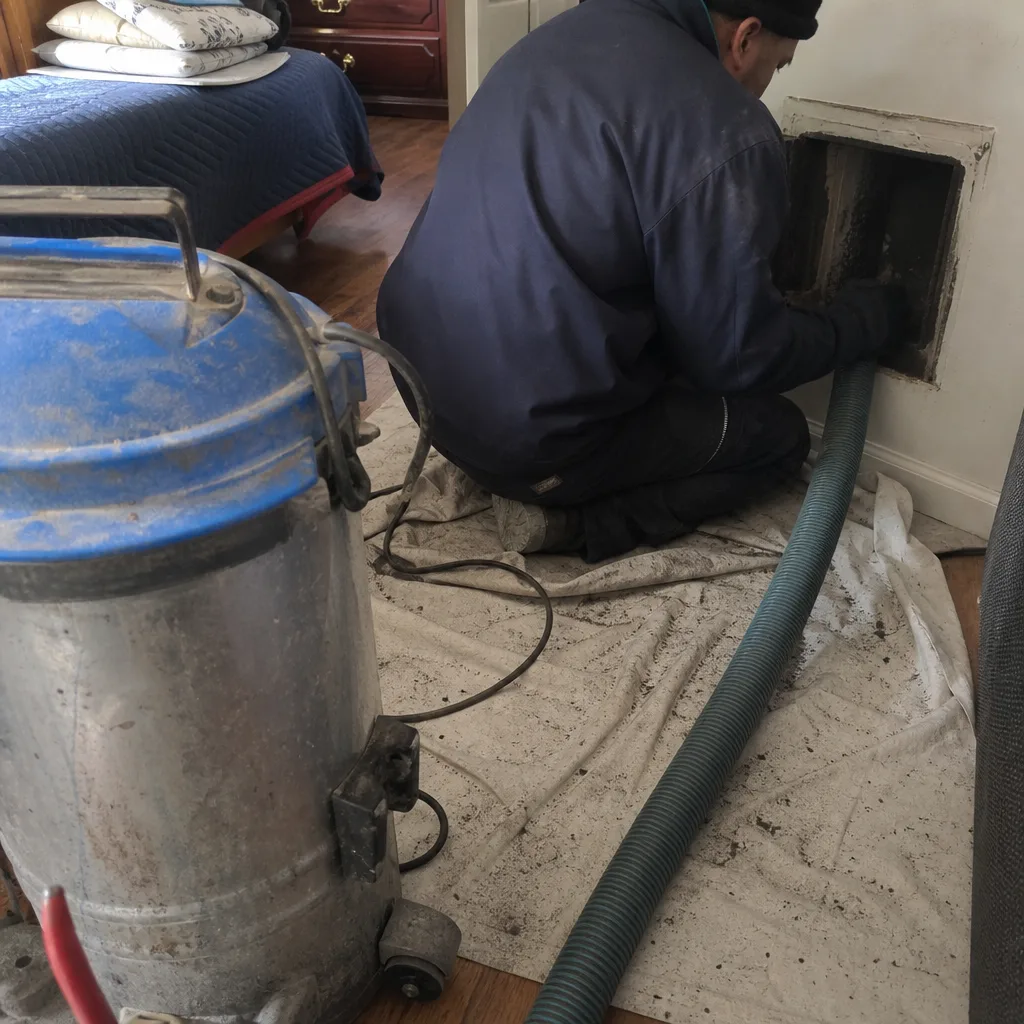
- Before-and-after photos. These should show the inside of ducts, the air handler, the coil, and the drain pan. Not just vent covers – the interior surfaces the customer can’t see.
- Airflow measurement. A technician can measure airflow at supply registers before and after cleaning. If the system was restricted by debris, airflow should improve. Documenting the numbers shows the work had an effect.
- A written summary of what was cleaned. The number of supply runs, return runs, and components addressed should be on paper, not just in a verbal recap.
- Notes on any damage or leaks found. If sealing or repair is needed, this should be documented in the report so it can be addressed.
Ask questions during the estimate, before the work starts. A professional will explain the process, show you the equipment, and describe what the documentation will include. A blow-and-go operator will give you a price and a promise. In Upper West Side co-ops, where access requires coordination and neighbors share walls, the documentation also gives building management something concrete to work with. It’s the difference between “the crew came and cleaned” and “here’s proof the system is clean.”
Sealing, Sanitizing, and Restoring What’s Already There
Cleaning addresses what’s in the system today. Sealing addresses why it got there. In older Upper West Side buildings, duct seams and joints that were sealed decades ago have often opened up, and unsealed joints leak air into the walls and pull debris in from the surrounding cavities. Cleaning without sealing leaves the system ready to collect contamination all over again.
Air duct cleaning Upper West Side as we practice it combines cleaning, sealing, and sanitizing as one service because they solve connected problems. Duct repair and sealing identify gaps in the duct runs and close them. Sanitizing uses Abatement Technologies equipment with a Guardsman-grade protective treatment to leave surfaces resistant to new growth. The combination is meant to keep the system in better condition longer than cleaning alone. If a duct run in your apartment has visible gaps at the seams or a flexible connector that’s come loose, that’s a sign the fix needs to include more than a vacuum.
Compatibility matters too. Many Upper West Side homes have invested in whole-home air quality systems, particularly Honeywell and Aprilaire units that handle humidification, filtration, or fresh-air intake. Our technicians are trained on those systems, so cleaning and sanitizing the ductwork around them doesn’t mean the equipment itself gets missed. If your building has an Aprilaire dehumidifier in the system or a Honeywell filtration unit near the air handler, ask whether it will be cleaned as part of the job. A complete clean includes the equipment that air passes through, not just the ducts it travels in.
Dryer Vents: The Overlooked Safety Service in Upper West Side Apartments
Dryer fires remain one of the leading causes of residential fire damage, and clogged dryer vents are the most common cause. In Upper West Side apartment buildings, dryer vent runs are often long, winding, and start with a flexible connection behind the machine. They’re also the service most duct-only operators leave out entirely. We treat dryer vent cleaning as a standalone safety service, because the risk isn’t tied to your air quality – it’s tied to your building. Pre-war apartment layouts mean that some dryer vents run through interior walls shared with other units, and a clog affects more than just your machine.
- Long dryer runs in apartment buildings collect lint faster than short ones, especially when the run has bends
- Clogged vents reduce dryer efficiency and extend drying time, which is a warning sign worth acting on
- Bird nests, lint, and trapped debris can block a vent over months without obvious signs from inside the apartment
- Cleaning the lint trap helps but doesn’t clean the run itself, and that’s where the risk concentrates
- Vent cleaning is straightforward when done with proper equipment, and it’s separate from duct cleaning
If your dryer is taking longer to dry clothes, the vent should be checked. That’s a different service from air duct cleaning, and one that matters for safety as much as performance. In buildings where the dryer vent shares a chase with other units, call us and we can walk through whether a building-level inspection makes sense.
Common Mistakes to Avoid
- Assuming the “three to five years” rule applies. In Upper West Side pre-war and mid-century retrofit systems, contamination can build faster than the national guideline assumes. A system with lots of turns and older seams may need attention sooner. Get an inspection and let the actual condition of your ducts determine the schedule.
- Cleaning one unit in a shared-system building. If your co-op or condo shares a return riser or supply run with other apartments, a single-unit clean addresses half the problem. Coordinate with building management on whether the shared section should be assessed first.
- Accepting a quote that doesn’t include the air handler or coils. “Air duct cleaning” that only covers ducts leaves the air handler, coils, and drain pan dirty – and those components push debris right back into cleaned ducts the first time the system runs. Ask what components the service includes.
- Skipping the verification step. Before-and-after photos and airflow measurements are the proof that the work was done. If a company can’t produce them, the honest interpretation is that the work didn’t include them, which usually means the cleaning was incomplete.
- Ignoring the dryer vent. Dryer vent cleaning is a separate service with a separate purpose – fire prevention. Many homeowners only think about it when the dryer slows down, but the vent should be checked as its own safety item, especially in older Upper West Side buildings with long vent runs.
- Treating sealing as optional. If cleaning leaves open seams and joints in place, the system will collect dust again faster than it should. Duct repair and sealing is part of doing the job right, not an upsell.
- Assuming a low price means a good deal. A “blow-and-go” quote will almost always be lower. It’s lower because it uses less equipment, skips containment, skips component cleaning, and skips documentation. Compare what’s included, not just the price.
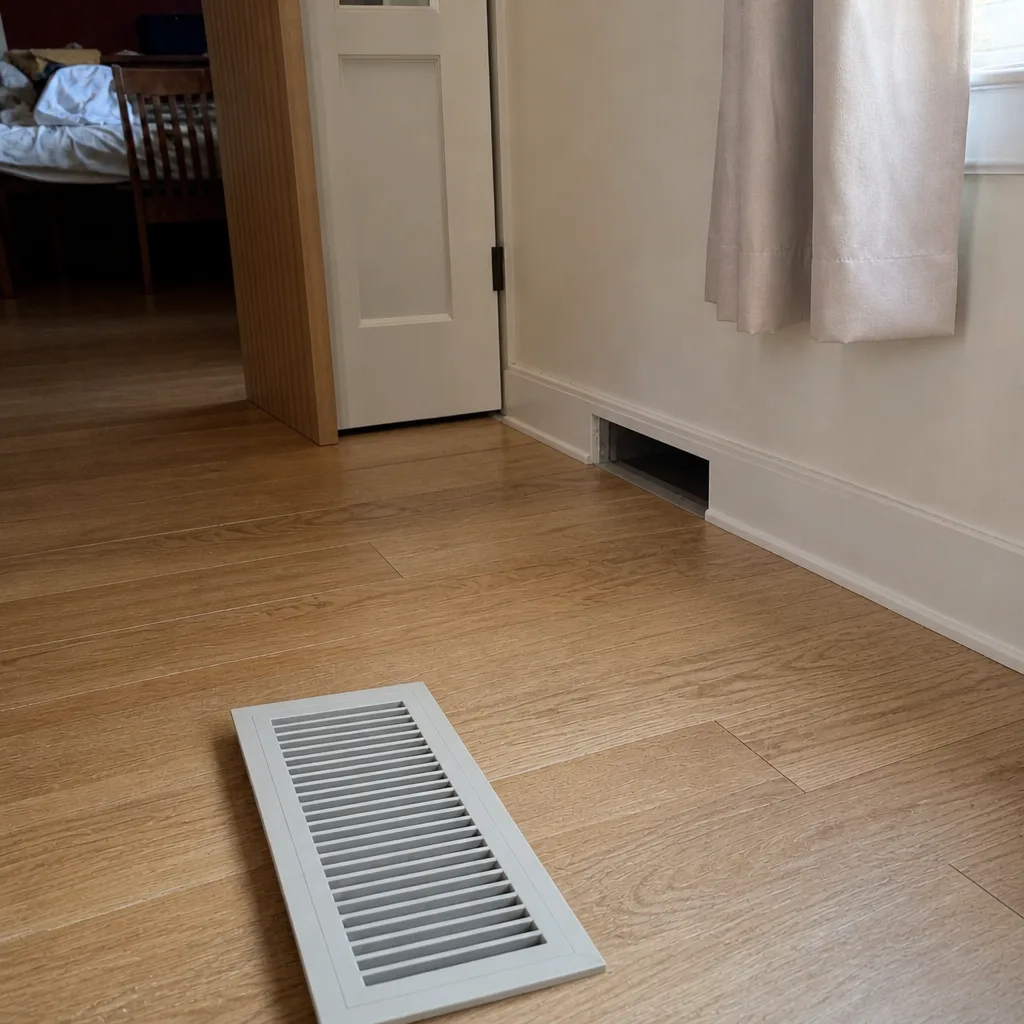
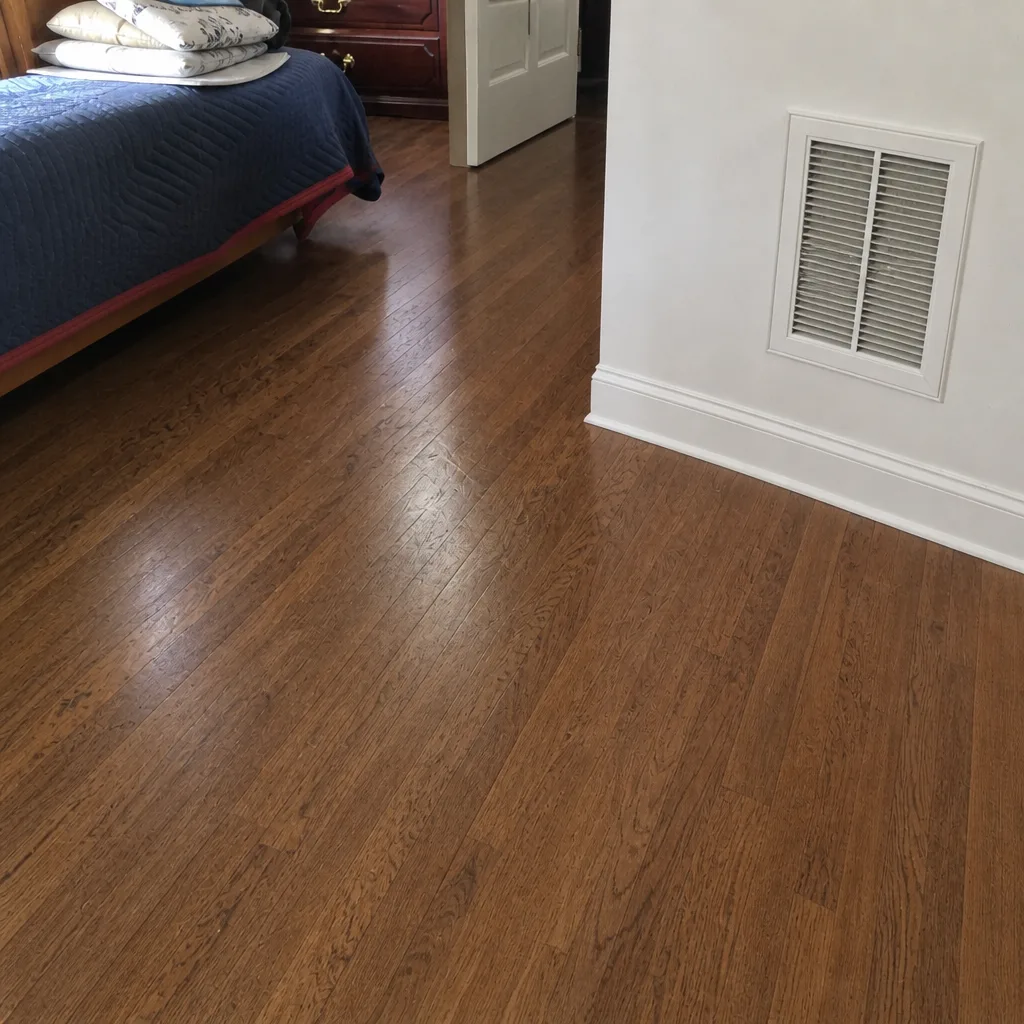
See the difference
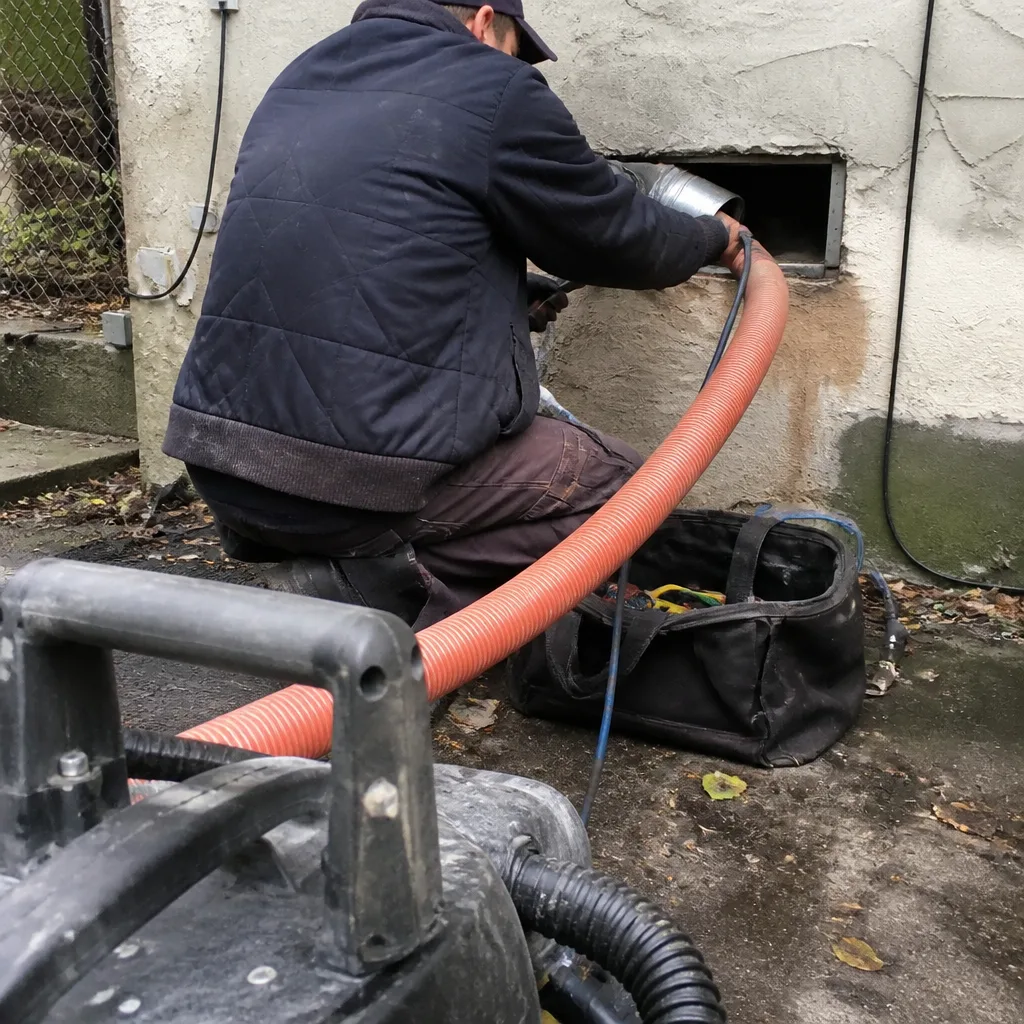 Before
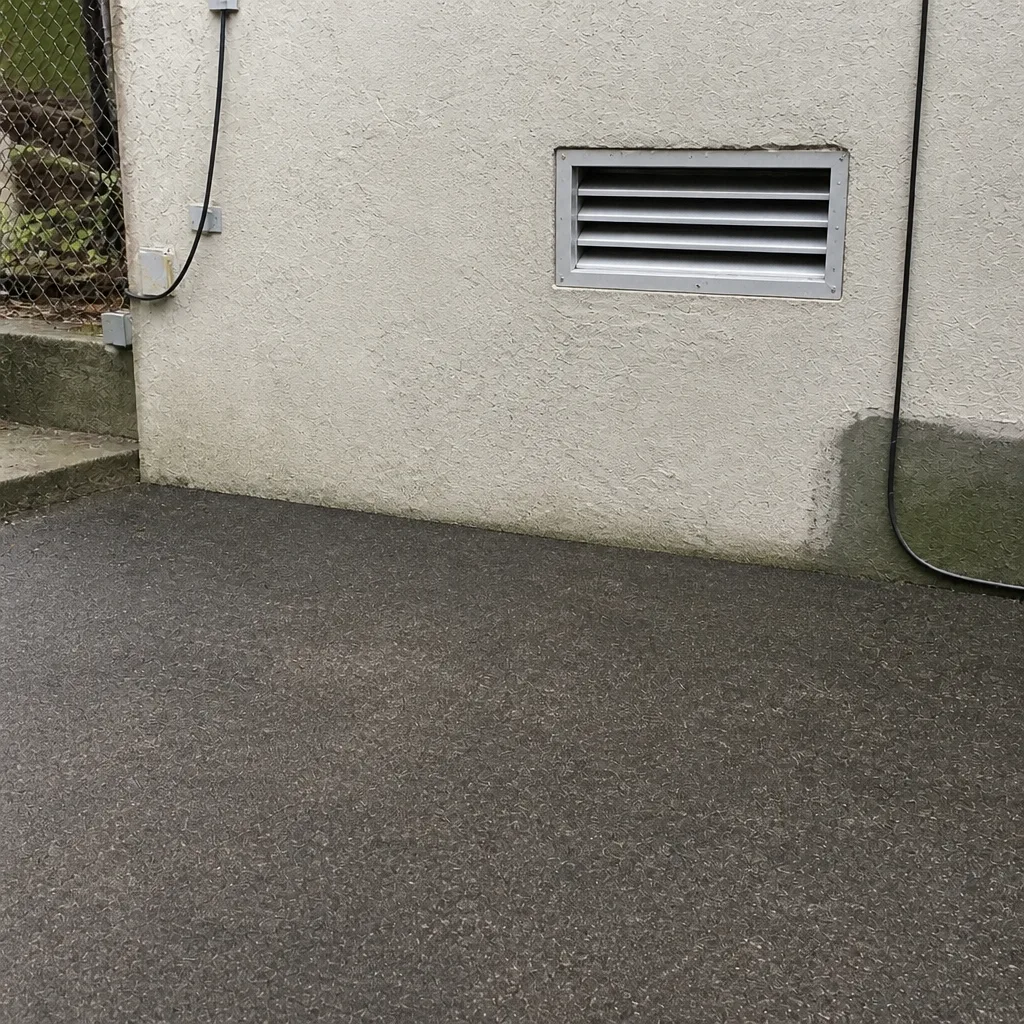 After
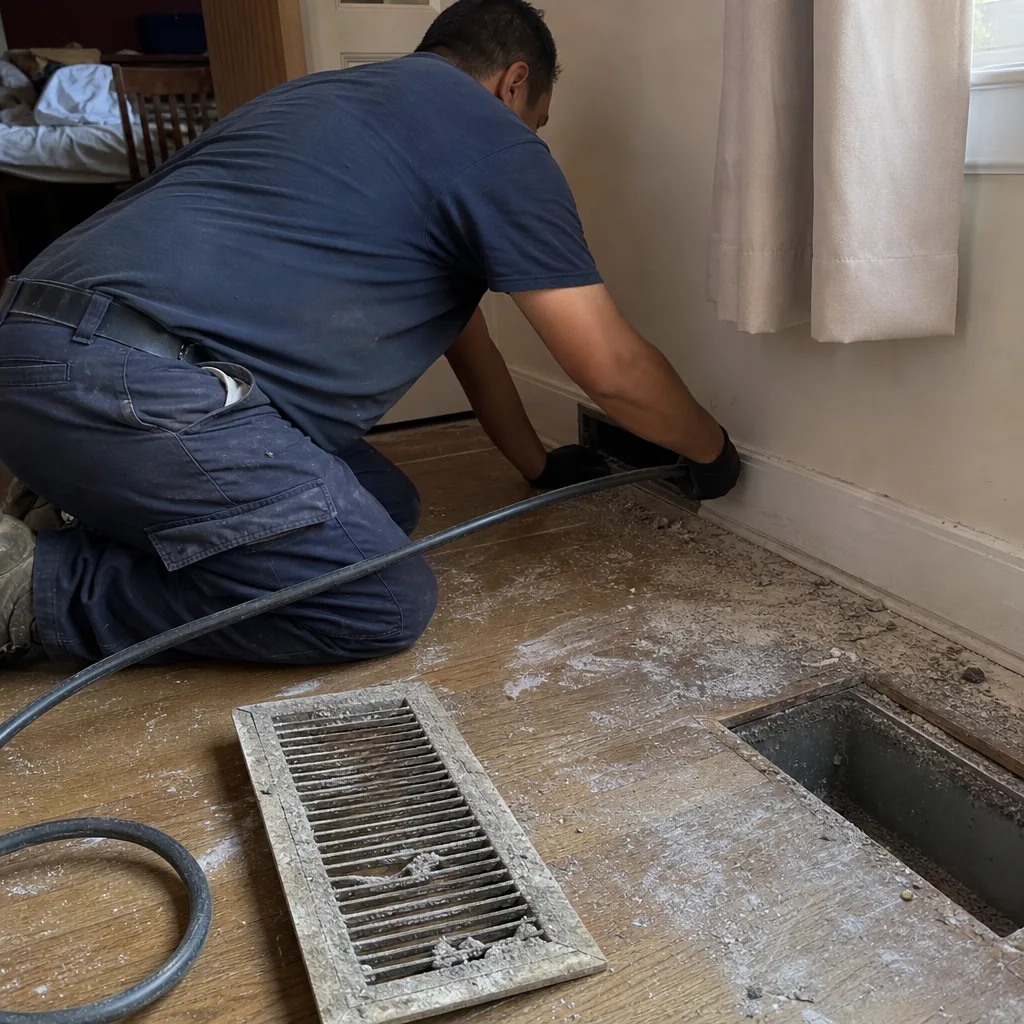 Before
 After
 Before
 After
When to Call a Professional
Some signs point clearly to professional help. If anyone in the household has asthma or allergies and symptoms get worse indoors, the ductwork is worth inspecting. After a renovation – especially in older Upper West Side apartments where drywall dust and construction debris can make their way into the system – a full clean is worth scheduling. Pet owners, households with visible dust on vent covers, and anyone noticing musty odors when the system runs should think about an inspection as well. A dryer that takes noticeably longer to finish a load points to the vent. And if your co-op shares HVAC components with other units, a conversation with the building about a coordinated assessment is a good next step before scheduling. Air Duct Cleaning Upper West Side offers free estimates in Upper West Side – call (855) 552-7560.
Frequently Asked Questions
Cost in Upper West Side depends on the number of duct runs, the components included, and whether the system needs sealing or repair. Because prices are set per job by a written estimate, we give a specific figure after inspecting your system. A complete job covering supply ducts, return ducts, the air handler, coils, and drain pan costs more than a vent-only service, because it’s a different job. Call (855) 552-7560 for an exact quote – estimates are free.
More often than the national “every three to five years” guideline suggests in many Upper West Side buildings. Retrofit ductwork in pre-war construction has more turns, more seams, and more places for debris to collect, so the system may need cleaning sooner than a straight-run suburban system would. A system inspection is the only reliable way to know. If you’re not sure when the last cleaning happened, an inspection will tell you. Call (855) 552-7560 to schedule a free estimate.
Cheaper quotes usually skip containment, component cleaning, and documentation – the parts of the job that take time and equipment. A blow-and-go service with a shop vacuum is significantly cheaper to run than a contained, HEPA-filtered, contact cleaning with before-and-after photos. What you’re comparing isn’t just price. It’s the scope of what gets cleaned and whether the work can be verified. Call (855) 552-7560 for an estimate that lists exactly what’s included.
Ask for before-and-after photos of the inside of the ducts, the air handler, coils, and drain pan, plus airflow measurements at supply registers. A complete job leaves documentation, and a professional should provide it without being asked twice. If a company can’t produce photos and measurements, assume the job wasn’t done to a verifiable standard. Call (855) 552-7560 and we’ll explain the documentation included with an estimate.
Yes. In Upper West Side co-ops and condos where supply or return risers are shared, contamination upstream of your apartment can affect your air quality even after a single-unit clean. The right first step is an assessment that maps what’s shared and what belongs to your unit. That often means coordinating with building management before scheduling the work. Call (855) 552-7560 if you’d like to talk through whether a building-level assessment makes sense for your building.
Yes. Dryer vent cleaning is one of our five core services, handled separately from duct cleaning because it addresses a distinct safety concern – clogged dryer vents are one of the leading causes of residential fires. Long vent runs in Upper West Side apartment buildings are especially prone to lint buildup. If your dryer takes longer than it used to, that’s worth checking. Call (855) 552-7560 for a free estimate.
The Bottom Line
Air duct cleaning in Upper West Side buildings is a different service from what you’d order in a suburban house. Pre-war and mid-century construction means retrofit ductwork with more turns, more seams, and fewer access points. Shared HVAC systems in co-ops and condos mean a single-unit clean can miss the real source of contamination. And a complete job covers the full air pathway – supply, return, air handler, coils, and drain pan – with professional equipment, containment, sealing, and verification. If the service you’re quoted covers only the vents, it isn’t a complete job. Ask for the estimate that includes every component, every piece of equipment, and the documentation afterward. That’s what a full system clean looks like in Upper West Side.
Air Duct Cleaning Upper West Side offers free estimates. Call (855) 552-7560. We answer 24/7. Fast dispatch from 7am to 7pm, Sunday through Friday.
Written by the team at Air Duct Cleaning Upper West Side.