
Last updated November 22, 2026
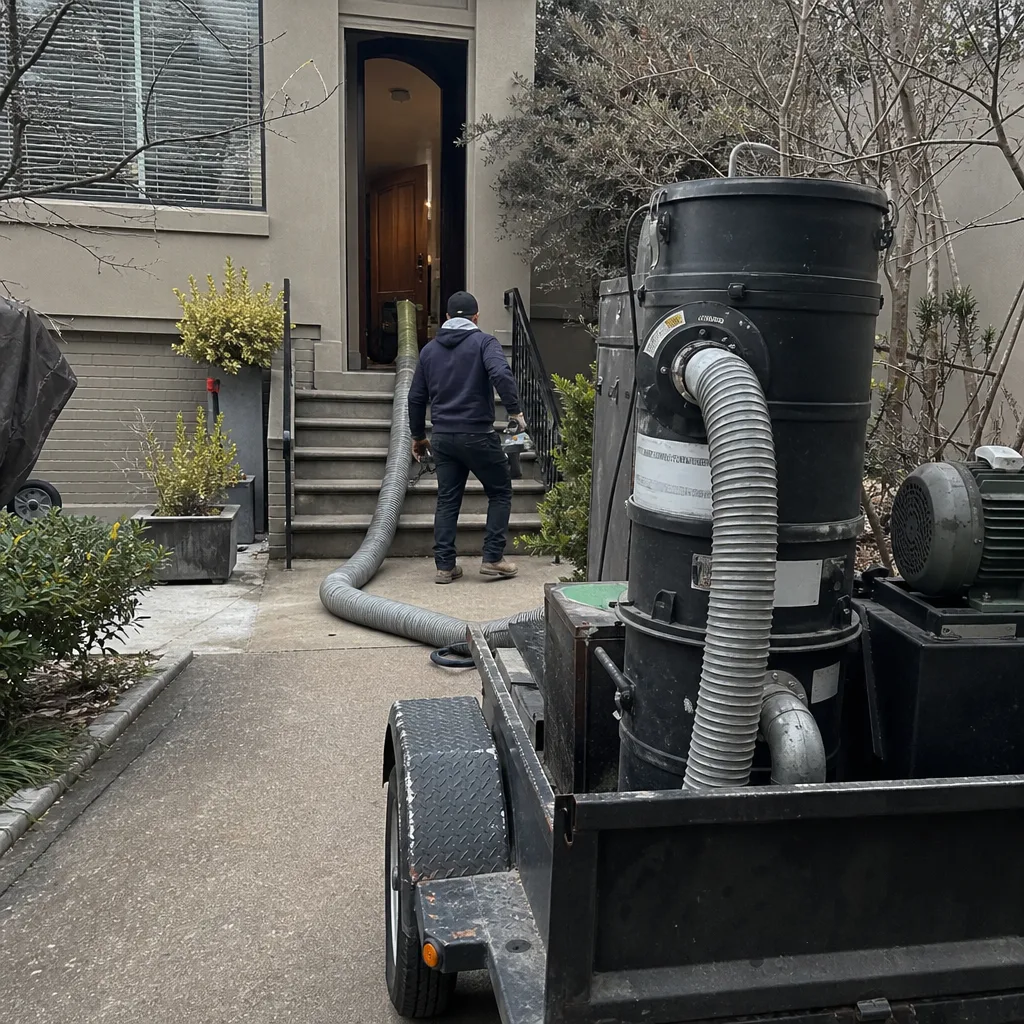
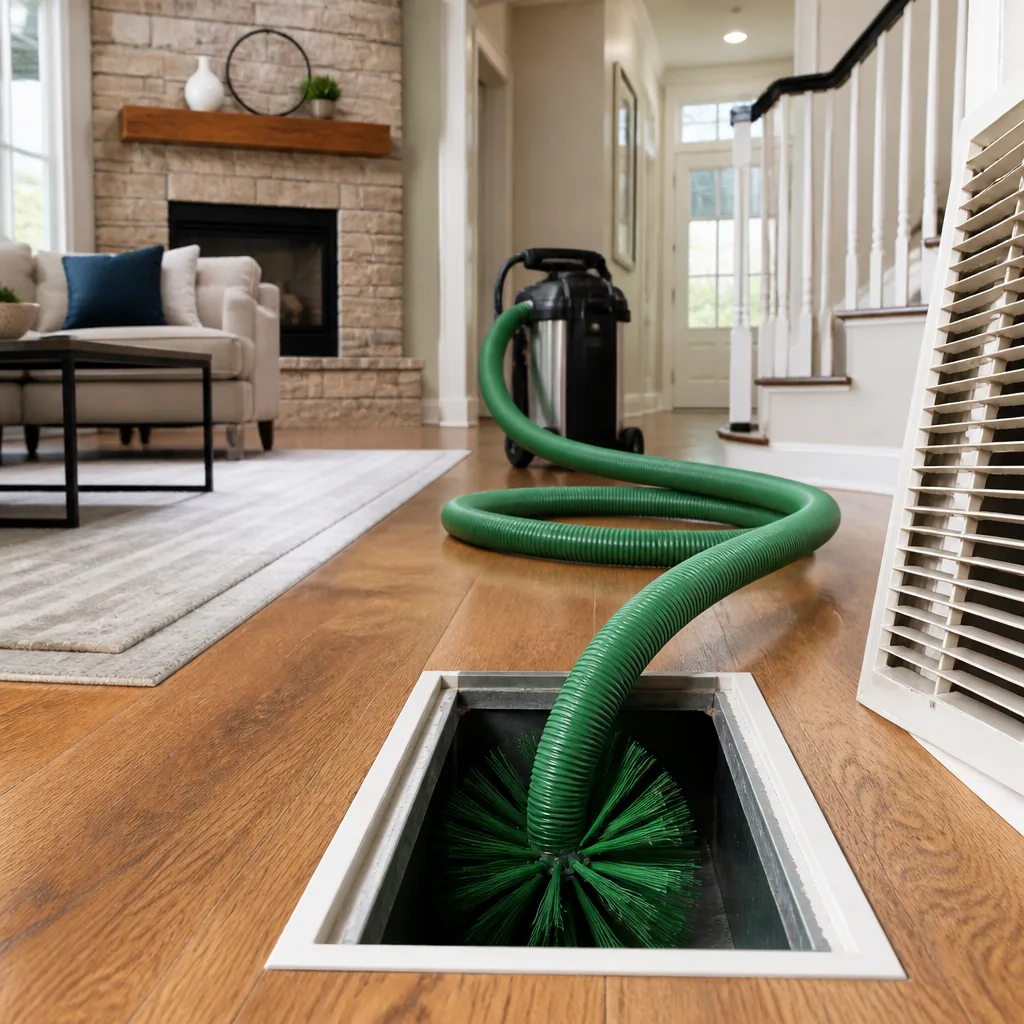 Whole-home duct cleaning
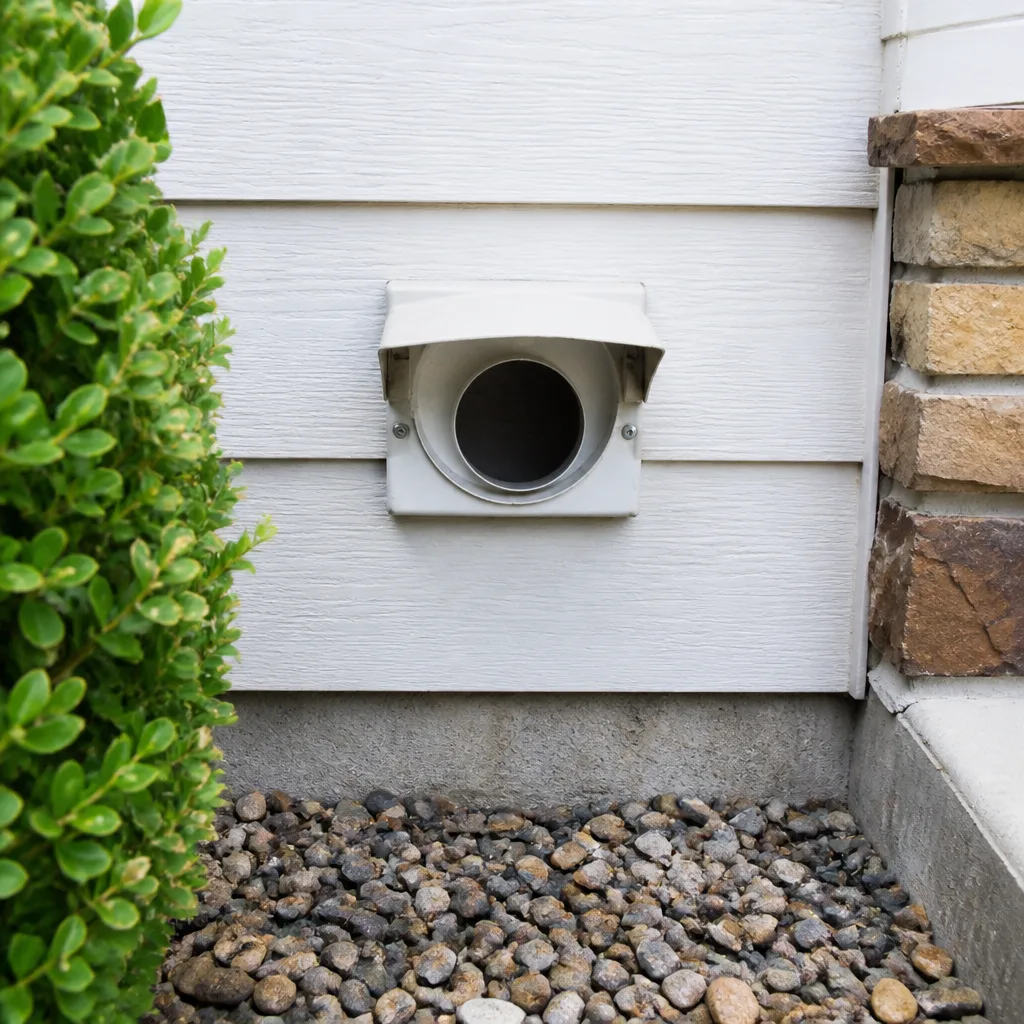 Dryer vent cleaning
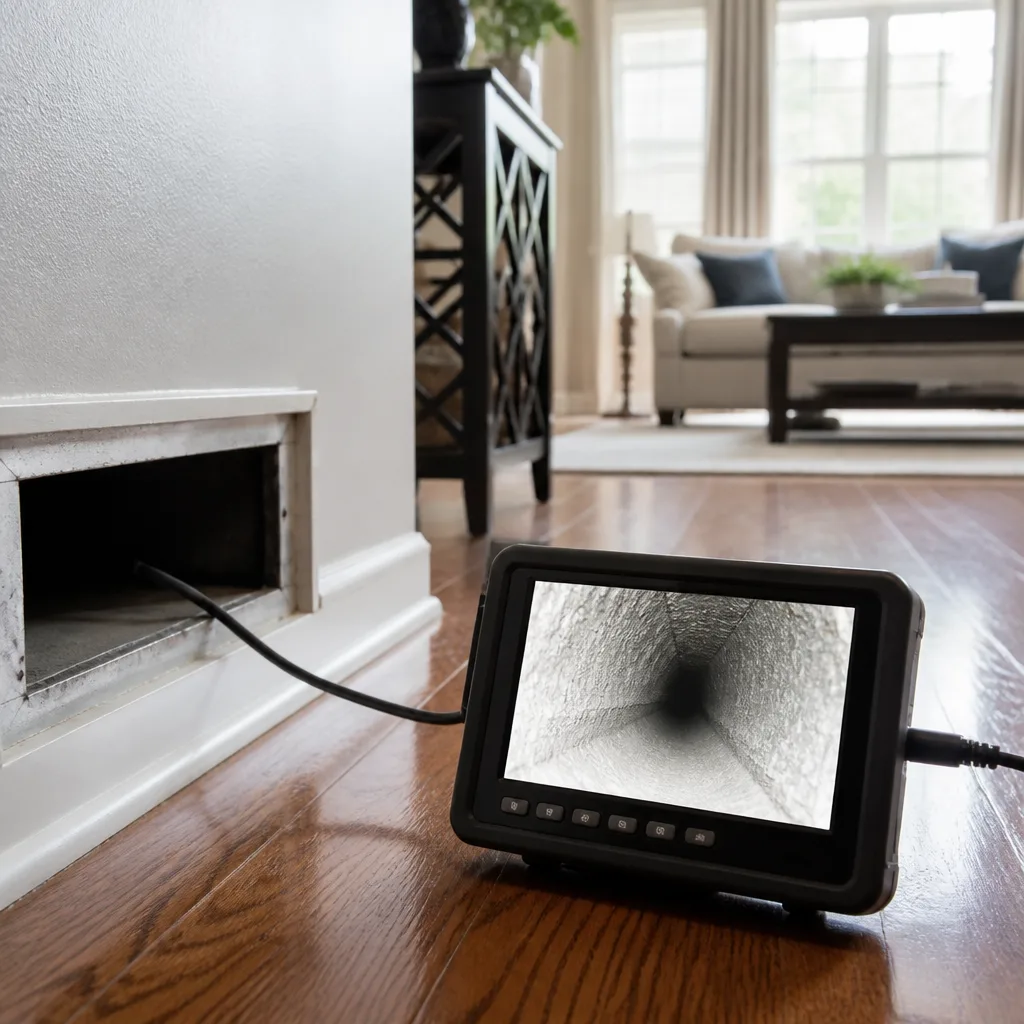 Camera inspection
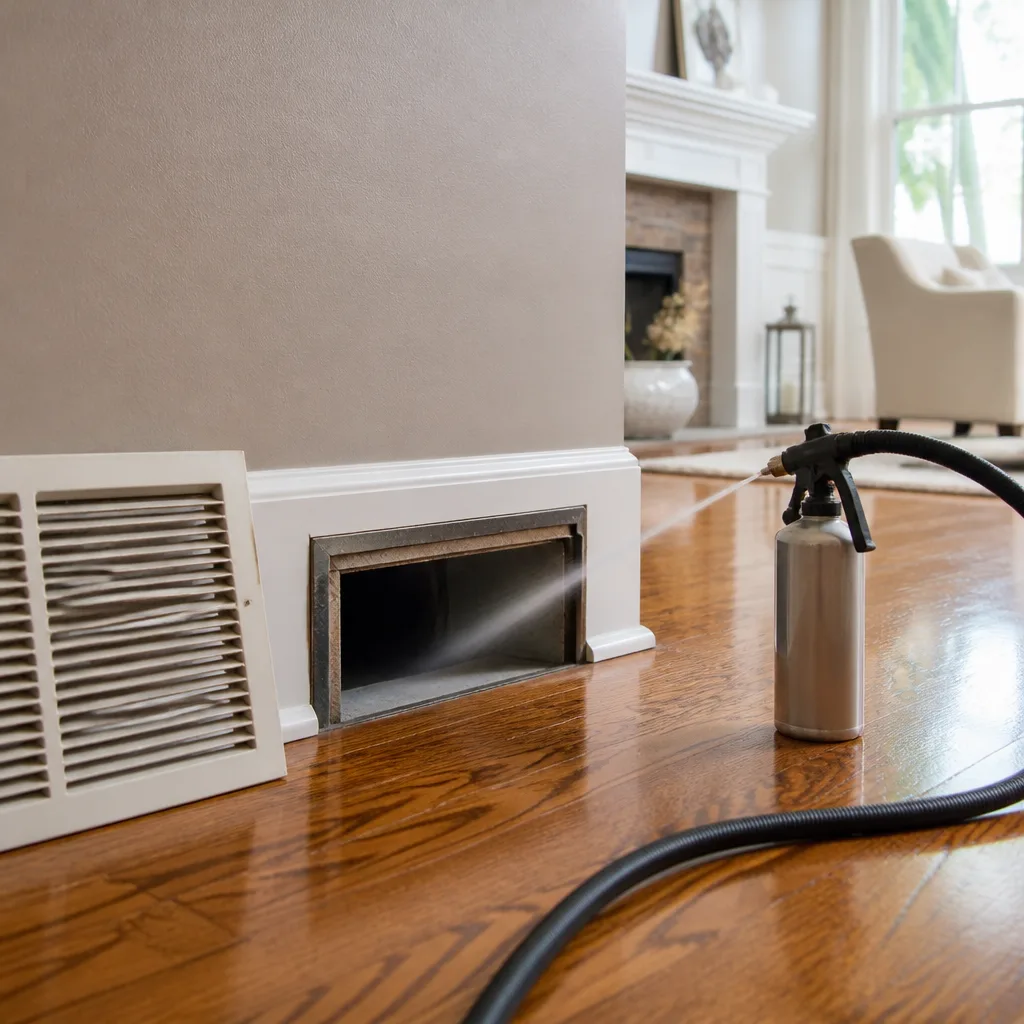 Sanitizing & deodorizing
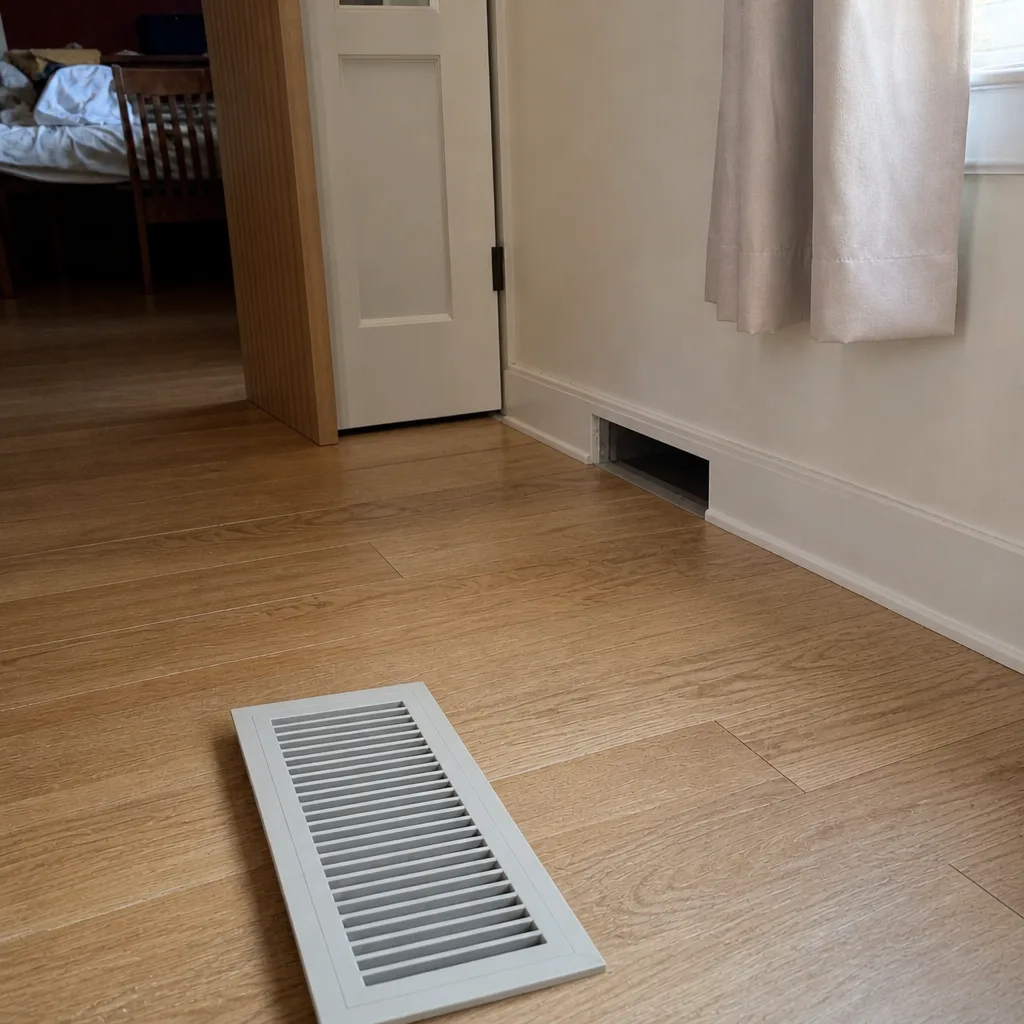
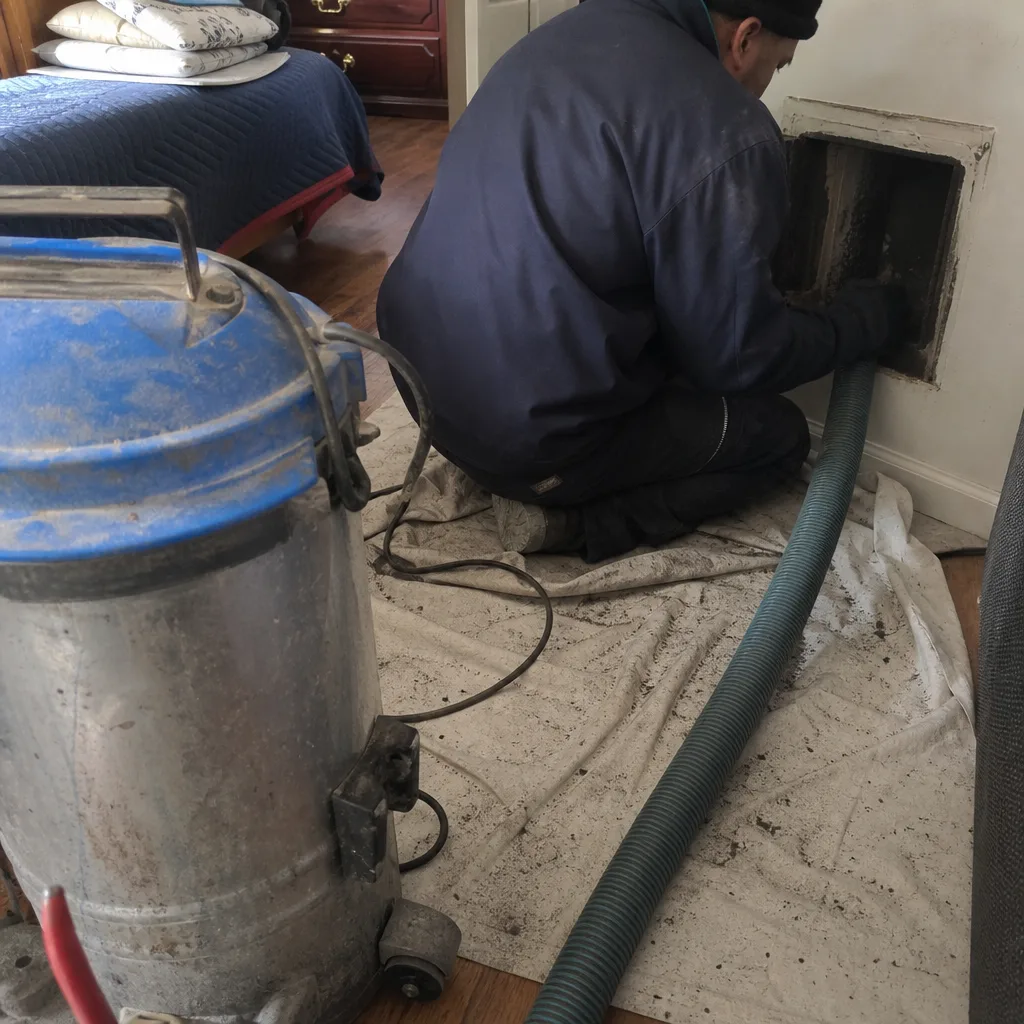
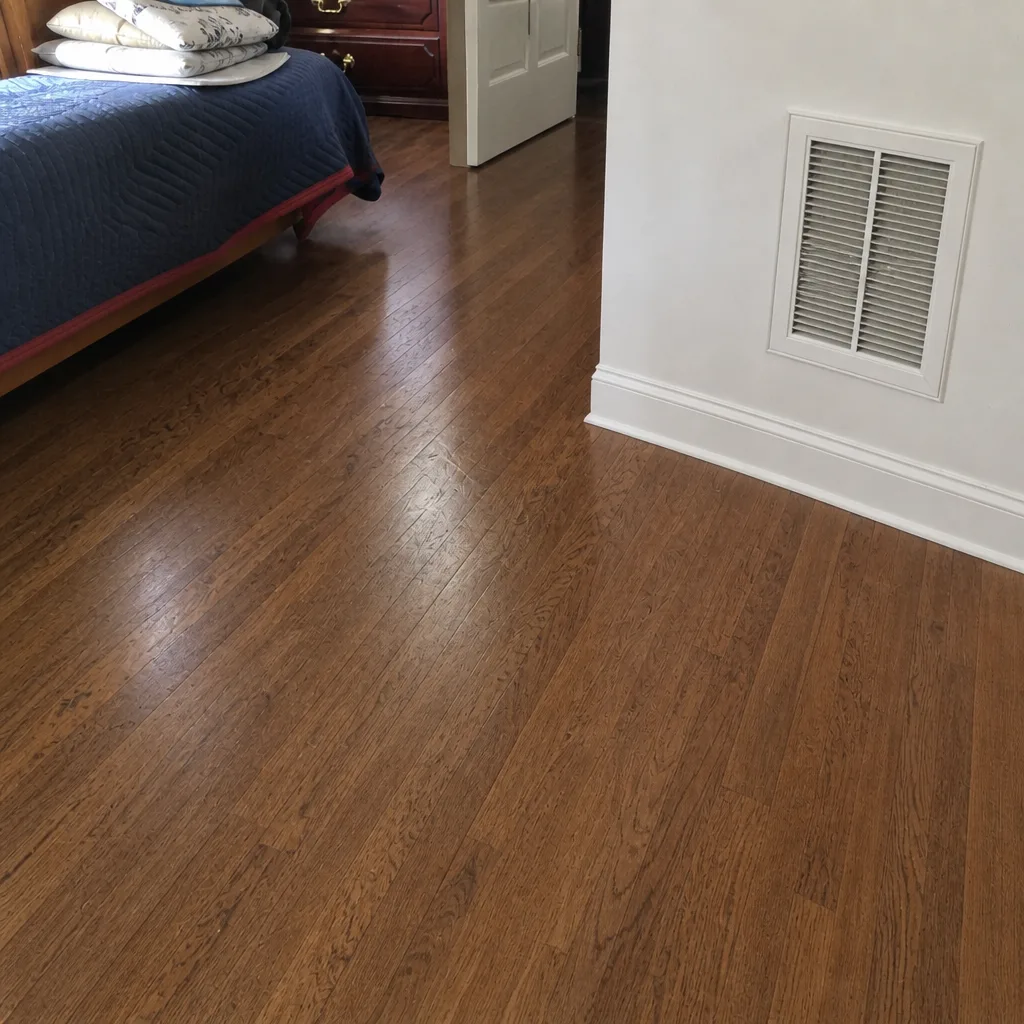
Whole-system duct and dryer vent check with before-and-after photos - you see exactly what came out of your vents
That "$99 whole-house special" is a bait ad - the real number appears once they are in your hallway, or the "clean" is a shop-vac at the register. We photograph the inside of your ducts before and after instead.
How to Hire an Air Duct Cleaning Contractor in Upper West Side: A Step-by-Step Guide
A $99 whole-apartment duct cleaning offer isn’t a deal. It’s a loss leader, and the business model behind it depends on alarming you into add-ons once the technician is already inside your home with a vacuum running. The industry has no universal licensing requirement, so the gap between a credible specialist and an upsell operation usually comes down to what you ask before anyone opens a vent. This guide gives Upper West Side homeowners, renters, and property managers a structured vetting process: the five questions that screen out the bait-and-switch outfits, the equipment specs worth knowing, the local building logistics nobody warns you about, and how to read a written estimate so the price you agree to is the price you pay.
Quick Answer
To hire an air duct cleaning contractor in Upper West Side, ask five questions before booking: whether the company performs source removal with contact agitation (not just air wash), what negative-pressure equipment it uses, whether it inspects the full system before quoting, whether the quote is one flat price per system in writing, and whether it will show you before-and-after photos of your own ductwork. Require proof of insurance and ask about NADCA membership. Get a written, itemized estimate tied to your actual square footage and vent count, and confirm your building’s access and noise rules before the crew arrives.
Styles & brands we work with
- Whole-home duct cleaning
- Dryer vent cleaning
- Camera inspection
- Sanitizing & deodorizing
Table of Contents
- Why Credentials Matter More Than Coupons in Upper West Side
- The Five Questions to Ask Before Booking
- What the Equipment Should Tell You
- Scope-of-Work Red Flags
- How to Read a Written Estimate
- Upper West Side Building Logistics
- What a Proper Job Actually Looks Like
- How to Verify the Work Was Done
Why Credentials Matter More Than Coupons in Upper West Side
Air duct cleaning has no federal licensing standard, and most states don’t license it either. That means anyone with a shop vacuum and a business card can advertise as a duct cleaner. In a dense rental and co-op market like the Upper West Side, where buildings change hands and tenants turn over constantly, that gap gets exploited. The cheapest quote you see online is rarely the cheapest job; it’s the opening bid in a negotiation that happens on your living room floor.
This is why credential screening matters more here than in trades that are licensed and inspected. You are the inspector. The good news is that a handful of checks separate serious operators from the rest:
- NADCA membership. The National Air Duct Cleaners Association publishes a standard (ACR, the Assessment, Cleaning and Restoration standard) and requires members to follow it. Membership is not a license and it doesn’t guarantee quality on every job, but it’s the most useful baseline credential to require. It signals the company has committed to a documented process.
- Proof of insurance. Ask for a certificate of insurance and confirm it covers both liability and workers’ compensation. A contractor working in your apartment without coverage is a risk you’re carrying, not them.
- Source removal as standard practice. Ask directly whether they remove debris from the system or just push it around. The answer tells you which side of the industry they’re on.
None of these replace your own judgment, but together they narrow the field to companies that treat duct cleaning as a technical service rather than a sales call.
The Five Questions to Ask Before Booking
These five questions, asked in this order, will screen out most of the problem operators. Write them down. If a company dodges any one of them, move on.
- “Do you use contact cleaning with source removal, or air wash?” Contact cleaning physically agitates debris off duct surfaces and extracts it. Air wash alone uses air pressure to loosen dust and relies on the vacuum to catch it. Contact cleaning is the higher standard. Ask what tool they use for agitation; a Rotobrush system is a common professional answer.
- “What vacuum and negative-pressure equipment do you run?” A real duct cleaning setup uses a high-capacity HEPA vacuum (Nikro commercial units are one example) and creates negative pressure in the system so dislodged debris exits the duct and doesn’t recirculate into your apartment. Ask them to describe it. Vague answers are a warning.
- “Will you inspect the full system before you quote?” Any contractor who gives you a firm number over the phone, before seeing your system, is guessing or upselling. A proper quote comes after they’ve seen your square footage, vent count, and whether the system has flex or rigid ductwork.
- “Is this one flat price per system, in writing?” The answer you want is yes. Per-vent pricing and teaser coupons are the machinery of the bait-and-switch. A flat price agreed before work starts protects both sides.
- “Will I see before-and-after photos of my own ducts?” Photos of your apartment, not stock images from a brochure. A crew confident in its work takes them without being asked.
If you want to see how a full-system approach compares to a surface clean, our Air Duct Cleaning Upper West Side page walks through what each service category covers.
What the Equipment Should Tell You
The equipment a contractor brings into your apartment is the clearest signal of the kind of work you’re going to get. Professional-grade duct cleaning equipment exists because ductwork is a confined, contaminated space that requires physical agitation and high-volume extraction. A shop vacuum is not that.
Here’s what to look for, and what it tells you:
- Contact agitation tools. Rotobrush systems use a rotating brush assembly fed through the duct to scrub surfaces and simultaneously extract debris with a HEPA-filtered vacuum. This is contact cleaning: debris is removed, not displaced.
- High-capacity negative-pressure vacuum. Nikro commercial HVAC vacuums are built to pull large volumes of air while maintaining negative pressure in the ductwork. Holding that pressure is the difference between a clean system and a dust cloud in your living room.
- Air scrubbing and filtration. For sanitizing and any remediation-grade work, Abatement Technologies air scrubbers are the class of equipment used in mold and disaster remediation. When a company brings scrubbers and negative-air machines to a residential job, it’s signaling that it treats indoor air quality as a filtration problem, not a deodorizer problem.
- Compatibility with your existing IAQ equipment. If you have a Honeywell or Aprilaire air cleaner or humidifier installed, ask whether the technician is trained on it. These are whole-home systems that need to be handled carefully during cleaning, not bypassed.
Truck-mounted versus portable vacuum is a common point of confusion. A truck-mounted unit offers the highest airflow and vacuum capacity, which is why it’s the gold standard. Portable units are necessary in buildings where a truck can’t park within hose reach. On the Upper West Side, that’s most buildings. What matters is whether the portable unit is a purpose-built HEPA system with enough capacity for your system size, not whether it sits on a truck.
Scope-of-Work Red Flags
The single most reliable warning sign is a quote given without any information about your home. If a contractor will give you a price without asking about square footage, number of vents, number of systems, or ductwork type, they aren’t quoting your job. They’re quoting a hook.
Watch for these scope-of-work red flags:
- Quotes without questions. A legitimate estimate requires knowing the size of the system. One bedroom, one bathroom, and a dozen registers is a different job than a four-bedroom prewar with two zones.
- Per-vent pricing. Charging per register incentivizes adding vents after the fact. Duct cleaning is priced per system.
- No mention of the air handler or HVAC unit. Ducts don’t exist in isolation. A proper scope covers the full air pathway, which includes the HVAC unit itself. Our HVAC cleaning page explains why the unit can’t be skipped.
- Sanitizing sold as a spray. A fogger and a deodorizer is not sanitizing. Remediation-grade air treatment uses scrubbers and protective treatments (Guardsman-grade products are one example) after the system is mechanically clean.
- Dryer vent as an afterthought. Ask whether they clean dryer vents as a standalone service. Lint buildup is one of the leading causes of residential fires, and it’s frequently overlooked by duct-only operations. More on that in our dryer vent cleaning guide.
- Pressure to book “today.” Urgency in a first phone call is a sales script, not a service ethic.
How to Read a Written Estimate
A written estimate is where a real contractor shows their work. What you’re looking for isn’t just a price; it’s a description of the job that the price is attached to. Here’s what a credible estimate includes, and what its omissions mean.
Line items that should appear:
- Number of systems and number of supply and return vents. Verified after an inspection, not estimated over the phone.
- Scope description. What gets cleaned: supply ducts, return ducts, registers, grilles, air handler, blower, and coil (or an explicit note if the coil isn’t included).
- Method. The agitation tool and vacuum type being used, and confirmation of negative pressure.
- Optional add-ons stated as optional. Sanitizing, duct sealing, and dryer vent cleaning should be presented as separate line items with their own prices, clearly marked optional. If they’re baked in without explanation, ask why.
- One flat price per system. The number in writing is the number you agree to. If anything changes the scope, it gets re-negotiated before work starts, not after.
- Cleanup and post-job documentation. Confirmation that the crew will photograph the work and clean up on the way out.
Omissions that signal a bait-and-switch setup: no mention of the HVAC unit, no mention of number of vents, no written method description, no optional items (meaning they’ll be presented on-site at a marked-up price), and no written price. If the estimate is a text message with a number, it’s not an estimate. It’s a pitch.
Upper West Side Building Logistics
The Upper West Side has one of the most complex residential building landscapes in the city. Prewar co-ops with hand-operated elevators, postwar rentals with service elevators, and condo buildings with strict work-hour rules all sit within a few blocks of each other. Hiring a duct cleaning contractor here means solving logistics before you solve the cleaning.
Here’s what to sort out before the crew arrives:
- Building access. Most management offices require a certificate of insurance from the contractor before they’ll grant access. Get it to your building manager early. If you rent, your landlord or management company may need to approve the work.
- Elevator scheduling. Reserve the service elevator if your building requires it, and confirm whether padding or a certificate is required. Expect the crew to be moving equipment to and from your unit, which takes time in a small elevator.
- Noise and time-of-day restrictions. Many co-op boards restrict noisy work to certain hours. Duct cleaning is genuinely noisy; the vacuum and agitation tools run loud. Tell your contractor your building’s window, and let neighbors on your floor know if the board requires it.
- Parking and equipment staging. Some blocks don’t allow commercial vehicles to idle or park. Portable equipment solves this, but confirm with the contractor that their setup doesn’t depend on a truck parked outside.
- Access to your HVAC unit. Know where your air handler is and clear the space around it before the crew arrives. If it’s in a closet, empty the closet.
None of this is exotic, but it trips up contractors who don’t work in these buildings regularly. If a company asks about your elevator and your board’s rules when you call, that’s a positive signal. If they don’t, mention it yourself.
What a Proper Job Actually Looks Like
Knowing the shape of a proper job helps you recognize when something’s missing. A full-system duct cleaning in an Upper West Side apartment typically unfolds in stages, and each stage should be visible to you if you’re home.
A reasonable sequence:
- Inspection. The crew inspects the system before starting: ductwork type, vent count, condition, and any signs of contamination, disconnection, or pest activity.
- Protection. Floors and furnishings get covered. Registers come off. Some openings are sealed to allow negative pressure to build.
- Agitation and extraction. Contact cleaning tools agitate debris from duct walls while the high-capacity vacuum pulls it out of the system.
- HVAC unit cleaning. The air handler, blower, coil, and drain pan are cleaned. Debris here contaminates every airstream downstream.
- Duct repair and sealing if needed. Any gaps, disconnected joints, or damaged sections get addressed, so cleaned ducts stay clean and the system stops pulling in unfiltered air.
- Sanitizing. After the system is mechanically clean, air scrubbers and protective treatments finish the job.
- Documentation. Before-and-after photos, and a walkthrough with you if you’re present.
If a contractor finishes the job in under an hour, something got skipped. If they never open the air handler, the system isn’t clean.
How to Verify the Work Was Done
The right question after the job isn’t “did they show up” but “did the contamination leave the building.” Here’s how to check.
- Look at the photos. Before-and-after images of your own ducts, taken at multiple points in the system. If you don’t get photos, ask.
- Open a few registers yourself. Pull a grille or two and look inside. Dusty films, debris, or cobwebs are red flags.
- Check the air handler area. The blower and coil should be clean. The drain pan should be dry and clear.
- Look for filter and seal changes. If duct sealing was in scope, confirm the visible joints are sealed. If a filter was changed, confirm the replacement.
- Watch for dust settling. A light settled-dust phase happens for a day or two, but persistent dust cycling out of the vents suggests a problem.
- Keep the written estimate and the photos. If anything goes wrong, those documents matter.
Common Mistakes to Avoid
- Booking on price alone. The below-market quote is almost always a deposit on a sales pitch. A fair price for a full-system clean reflects real equipment and real time, and a written estimate protects it.
- Skipping the inspection. If you’re quoted before anyone looks at your system, the quote isn’t yours. Insist on an inspection-based estimate, even if it means scheduling separately.
- Ignoring your building’s rules. Upper West Side co-op boards can halt work mid-job if insurance certificates or elevator reservations aren’t in place. Get approval first, or risk a wasted visit.
- Assuming all vent cleaning covers the HVAC unit. Many “duct cleaning” offers stop at the vents. Confirm the air handler, blower, and coil are included before you book.
- Overlooking the dryer vent. Lint in the dryer vent is a fire risk that has nothing to do with your HVAC system and often gets skipped. Ask for it as a standalone service.
- Accepting a spray-can sanitizer. A deodorizer masks smell. Ask what equipment is used for sanitizing, and whether the system is cleaned before it’s treated.
- Not asking for photos. Photos of your own ducts are the only evidence you’ll ever need. A contractor who doesn’t take them, or won’t share them, has an answer somewhere else.
See the difference
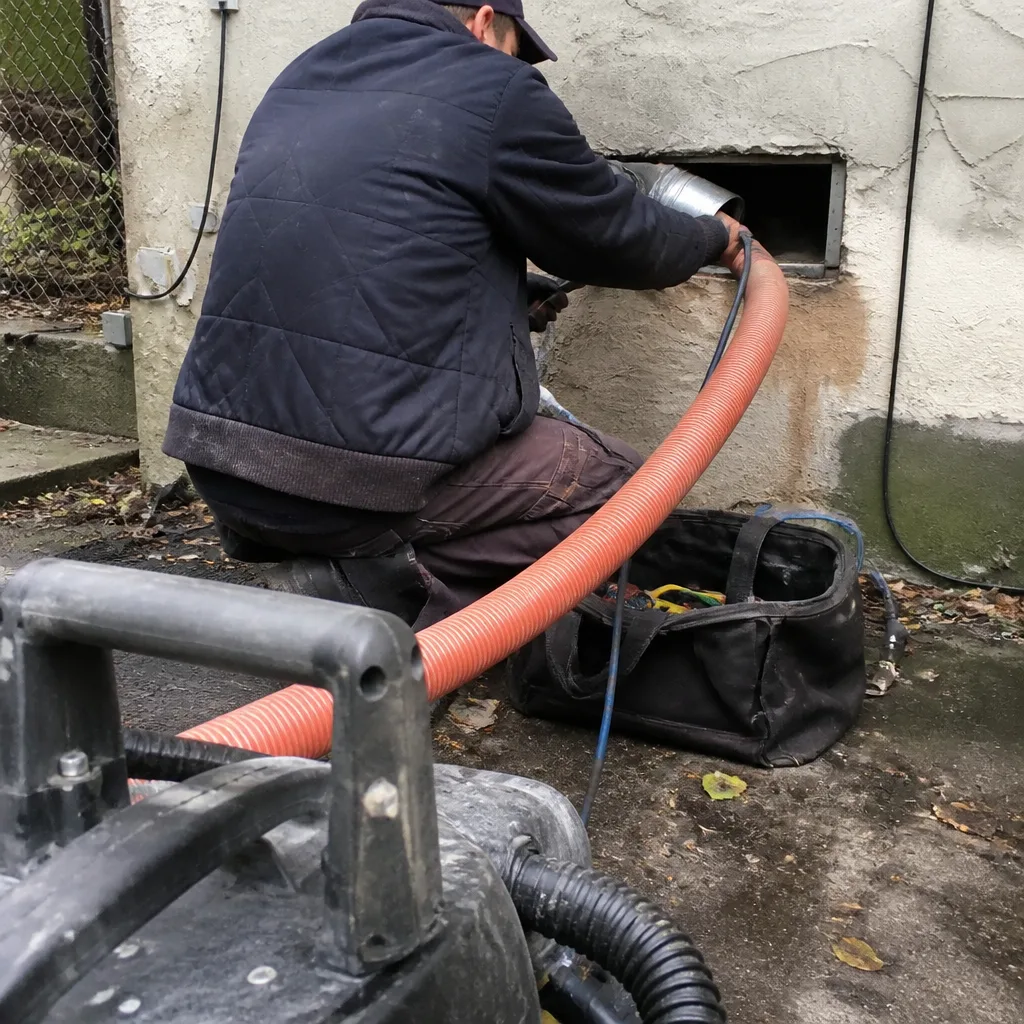 Before
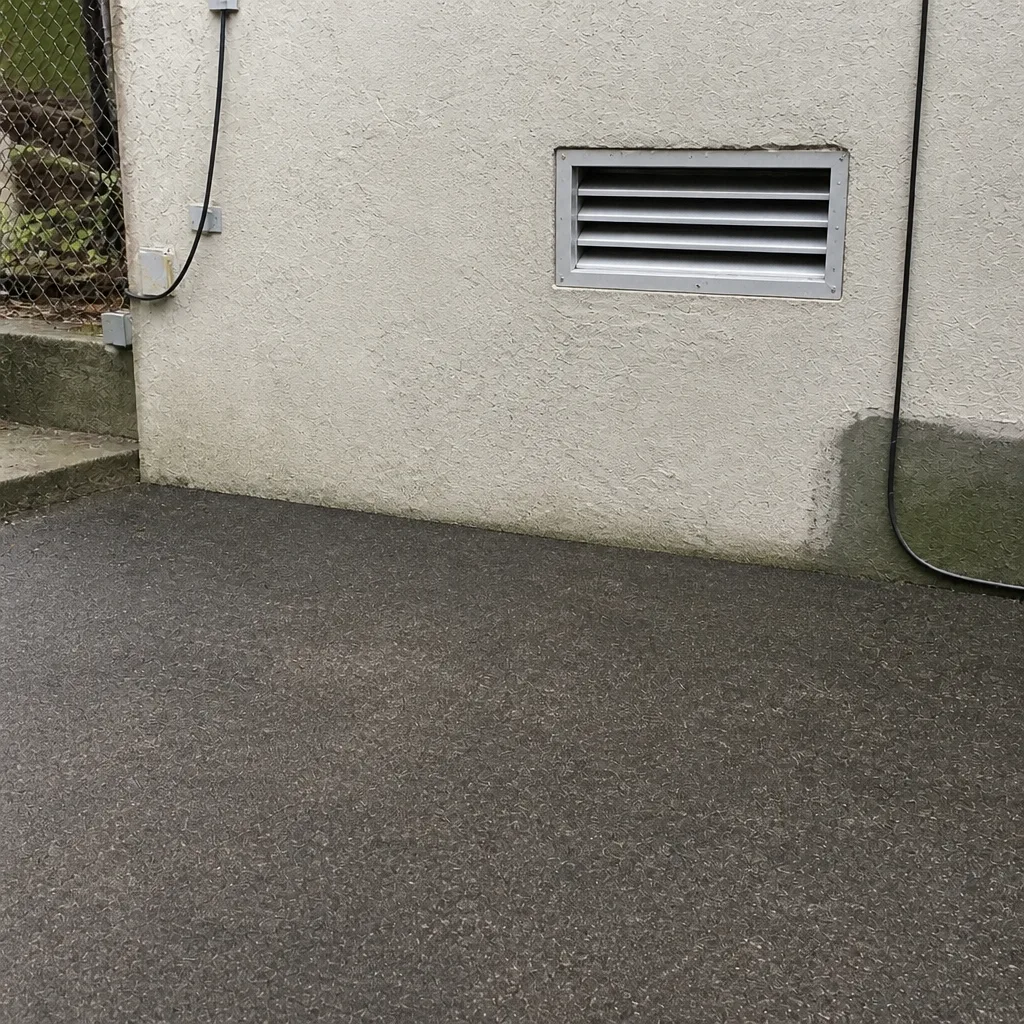 After
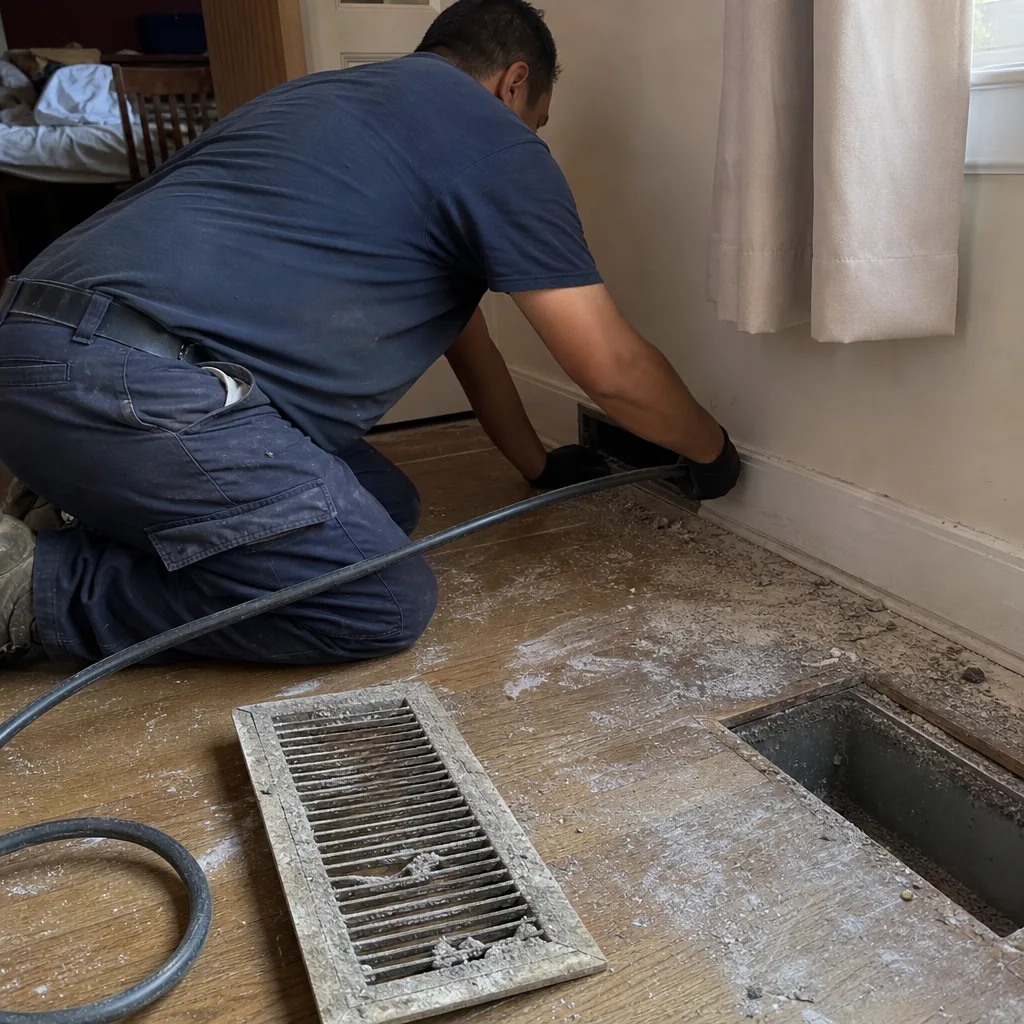 Before
 After
 Before
 After
When to Call a Professional
Not every dusty vent needs a contractor. A slight grey film on a grille is normal. But several situations call for professional assessment: visible debris or mold inside the system, pest activity, a recent renovation that sent construction dust through the ductwork, persistent allergy or asthma symptoms that worsen indoors, a system that’s never been cleaned and shows black dust around the registers, or a dryer that takes longer than it used to for clothes to dry. Ductwork that’s visibly disconnected or sealing that’s failed also warrants a professional, because cleaning without repair just re-contaminates the system. The work involves confined spaces, high-volume equipment, and in some cases electrical components, so it’s not a home-project job.
Air Duct Cleaning Upper West Side offers free estimates in Upper West Side. Call (855) 552-7560. We answer 24/7. Fast dispatch from 7am to 7pm, Sunday through Friday.
Frequently Asked Questions
Air duct cleaning in Upper West Side is priced per system, and the number should be tied to your apartment’s square footage, vent count, and the number of HVAC systems. There’s no industry-standard range because system sizes vary so much; the honest answer is that a flat, inspection-based quote is the only number that means anything. A written estimate is the final price. Call (855) 552-7560 for a free estimate. We answer 24/7. Fast dispatch from 7am to 7pm, Sunday through Friday.
Because they’re not quotes for a complete job. A very low advertised price is typically a teaser that excludes the HVAC unit, the return ducts, sanitizing, and sealing. The business model depends on adding those on once the technician is in your home. Ask any contractor to put the full scope in writing with a flat per-system price, and the cheap quote either disappears or gets much closer to the honest one. Call (855) 552-7560 for a written, itemized estimate. Estimates are free.
Ask for before-and-after photos of your own ductwork, and look at them. A crew confident in its process takes photos without being asked. You can also check a couple of registers yourself and look inside the air handler area. If a company can’t or won’t document the work, treat that as your answer. Call (855) 552-7560 to book a job that comes with documentation.
Most homes don’t need duct cleaning on a fixed schedule. The industry standard is to clean when there’s evidence the system needs it: visible contamination, pest activity, recent major renovation, mold, or ongoing indoor air quality problems. A home with pets, smokers, or a lot of turnover may need it more often. If a contractor insists on an annual contract without inspecting, that’s a sales tactic. Call (855) 552-7560 for an honest assessment.
In most Upper West Side co-ops and condos, yes. Buildings typically require a certificate of insurance from the contractor and may require you to reserve the service elevator or restrict noisy work to set hours. Get the certificate to your management office early and confirm the building’s rules before the crew arrives. A contractor who’s worked in these buildings will ask about this before you bring it up.
When it’s done with proper negative pressure and HEPA filtration, duct cleaning removes the contaminants that can trigger symptoms rather than redistributing them. The key is equipment: high-capacity vacuum extraction with the system under negative pressure during the job. A contractor using a shop vacuum or no vacuum at all can make things worse. If you or someone in the household has respiratory conditions, say so when you call and ask how the crew manages dust containment. Call (855) 552-7560 to talk through your situation.
The Bottom Line
Hiring a duct cleaning contractor in Upper West Side comes down to five questions asked before anyone touches your vents: source removal, equipment, inspection-based quoting, a flat written price, and photos of your own system. NADCA membership is the strongest baseline credential available, but it’s a starting point, not a guarantee. Equipment tells you the truth about the job you’re buying, and a written estimate protects the price you agreed to. Confirm your building’s access, elevator, and noise rules early. And when a quote seems too low, trust that instinct; the difference between a fair price and a bargain is usually what happens after the technician walks in.
Call (855) 552-7560 for a free estimate. We answer 24/7. Fast dispatch from 7am to 7pm, Sunday through Friday. One of our technicians brings Rotobrush contact cleaning and Nikro commercial vacuum equipment to the job, and every estimate is a flat price per system in writing before work starts. To see the full range of what we do, start with our air duct cleaning service, and ask about pairing it with dryer vent cleaning if you haven’t had that checked recently.
Written by the team at Air Duct Cleaning Upper West Side.