
Last updated November 22, 2026
 Whole-home duct cleaning
 Dryer vent cleaning
 Camera inspection
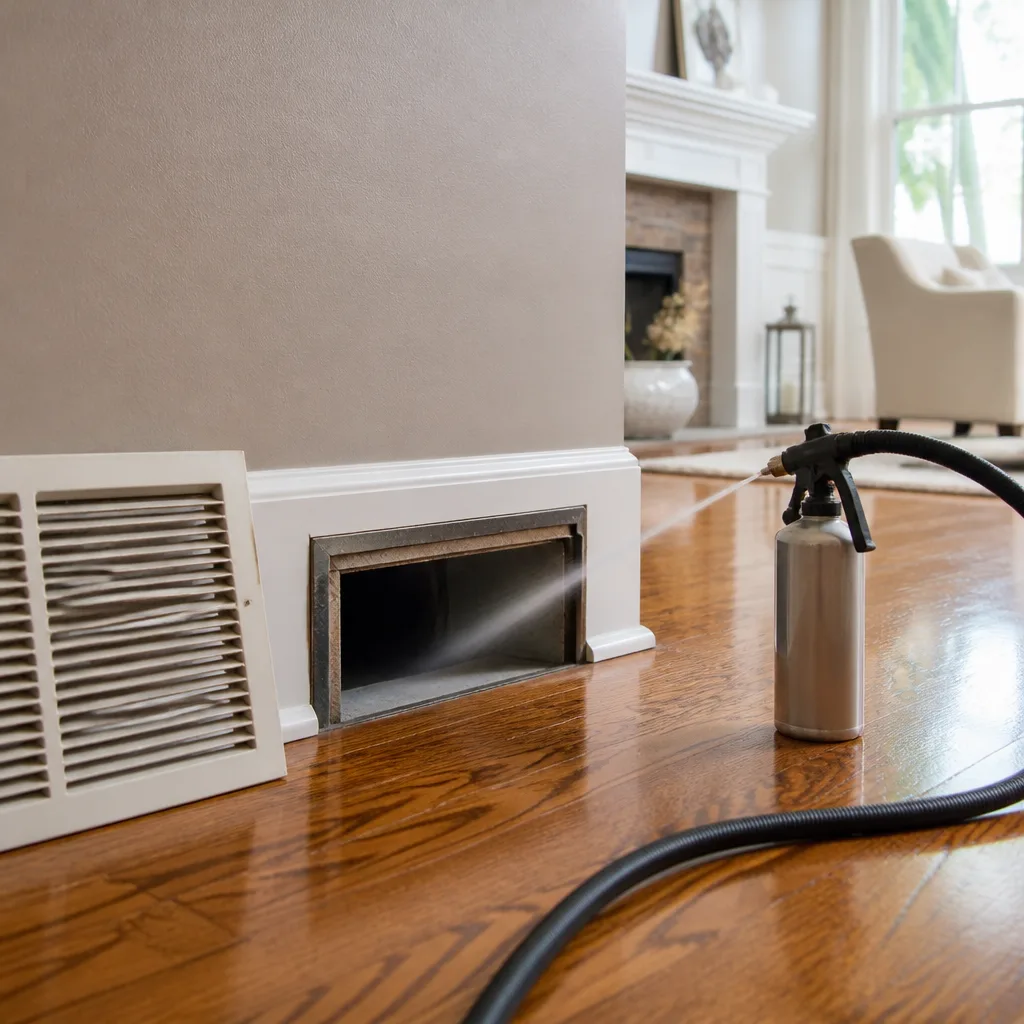 Sanitizing & deodorizing
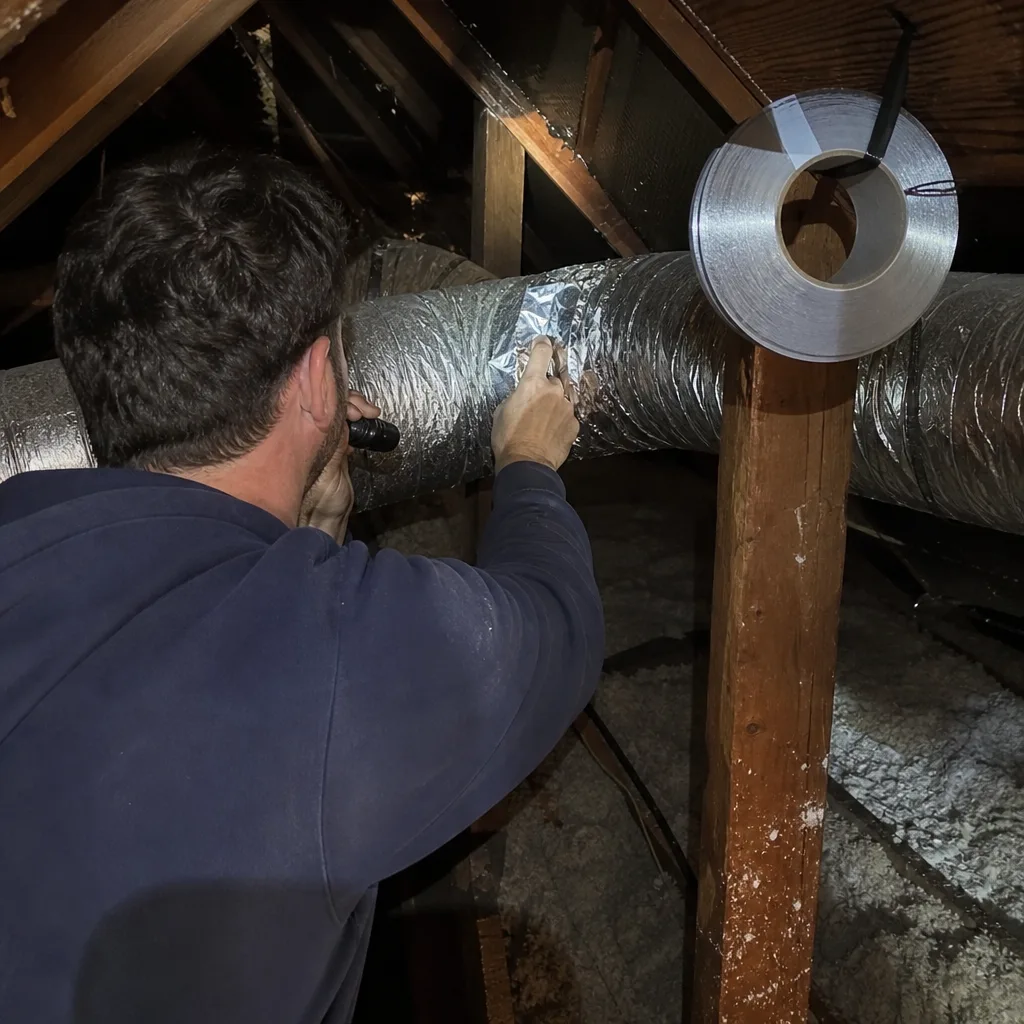
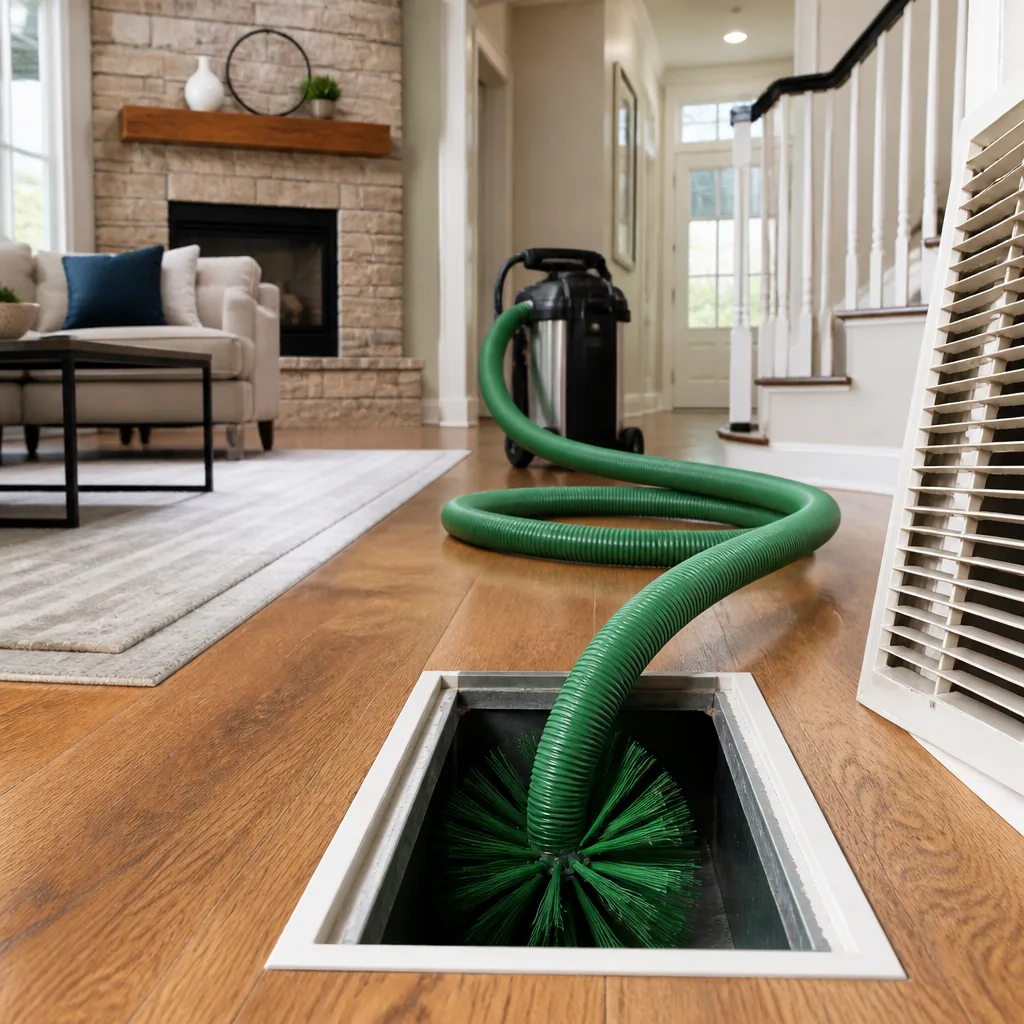
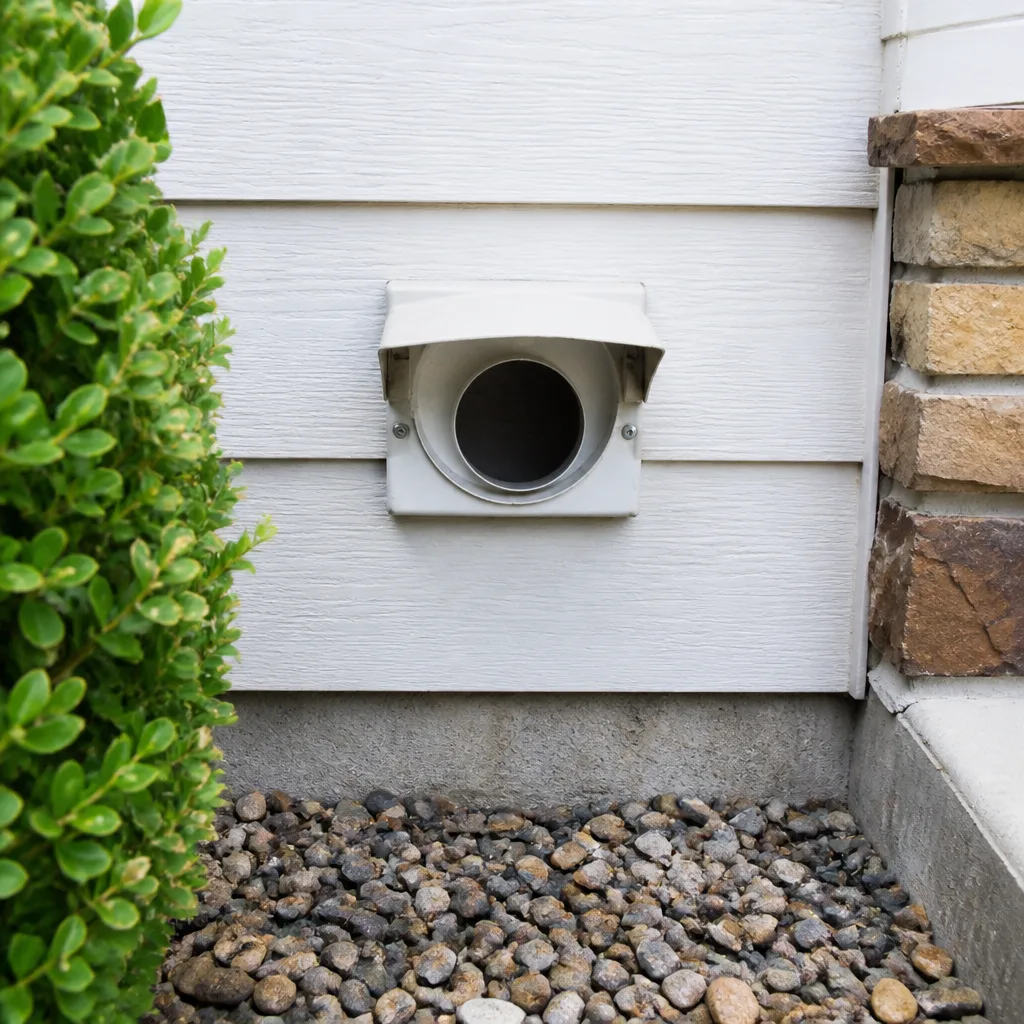
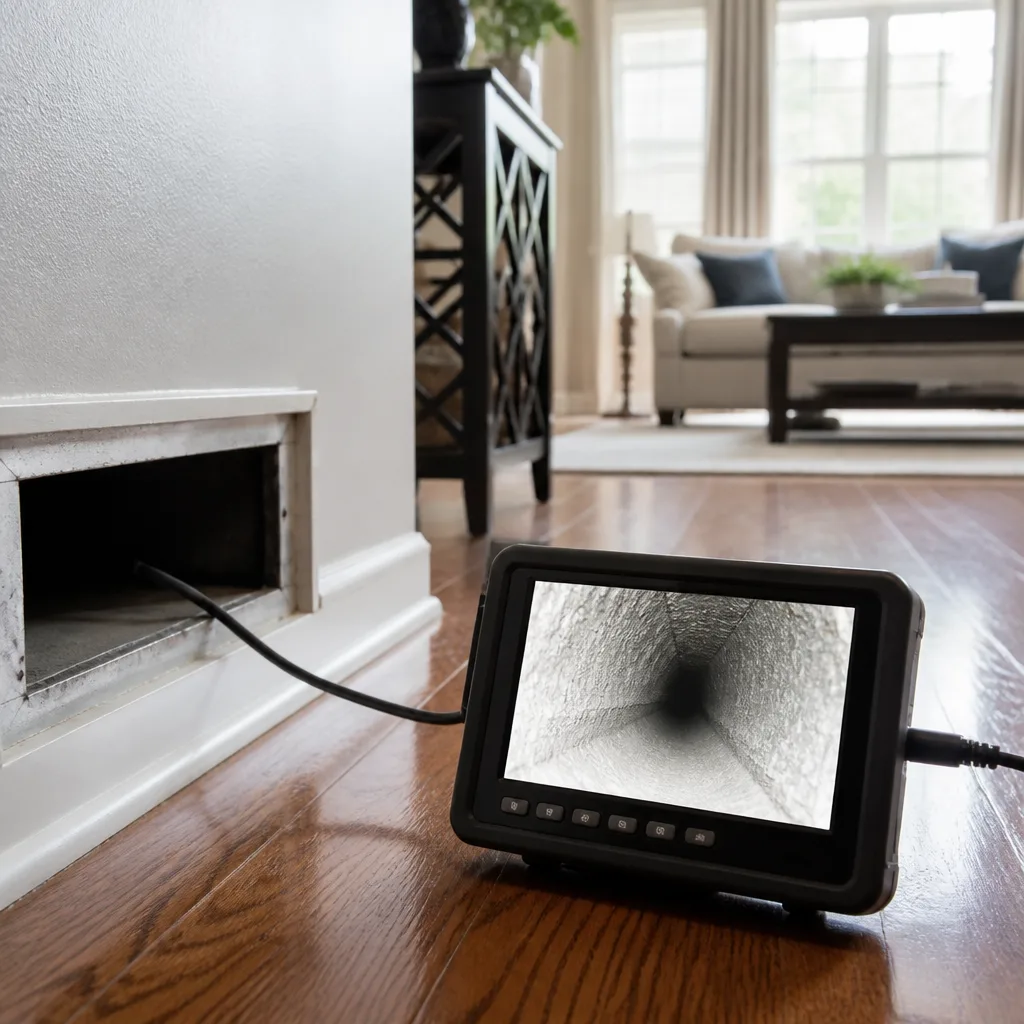
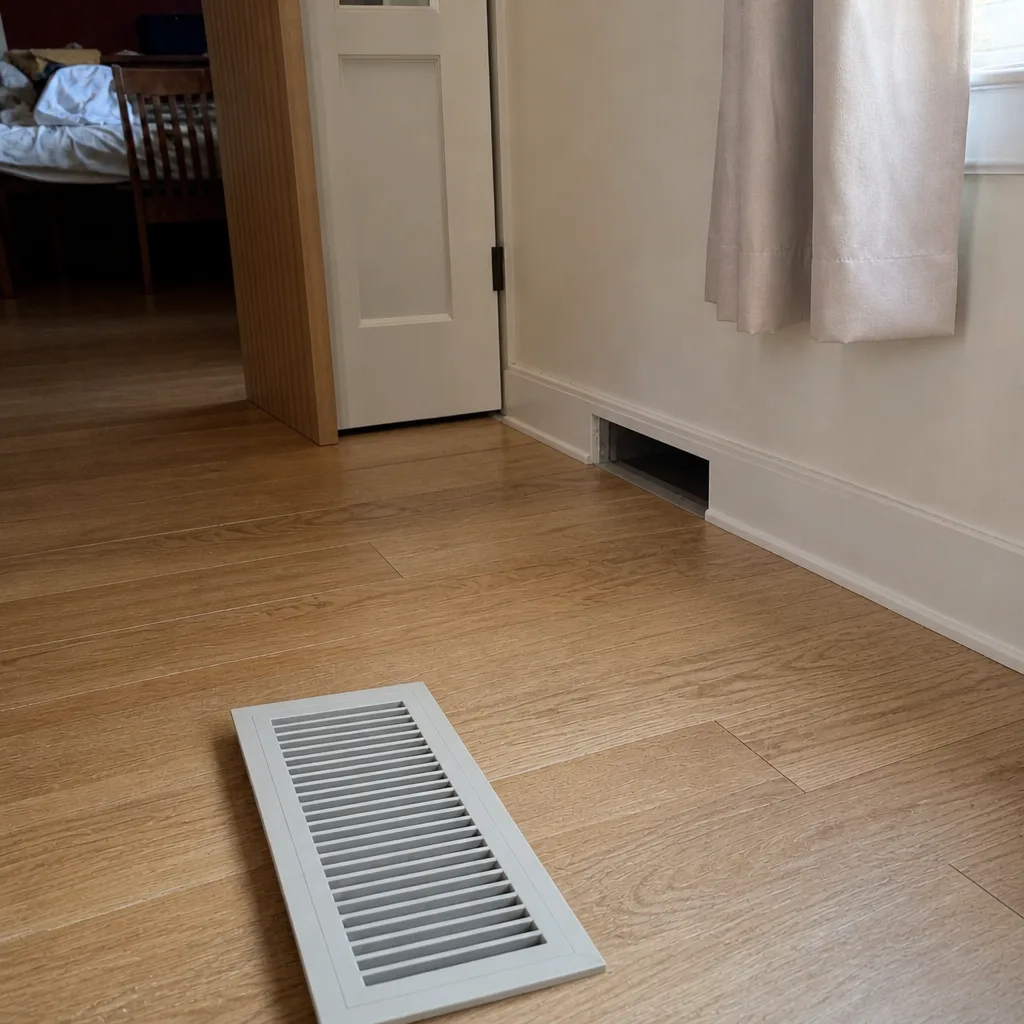
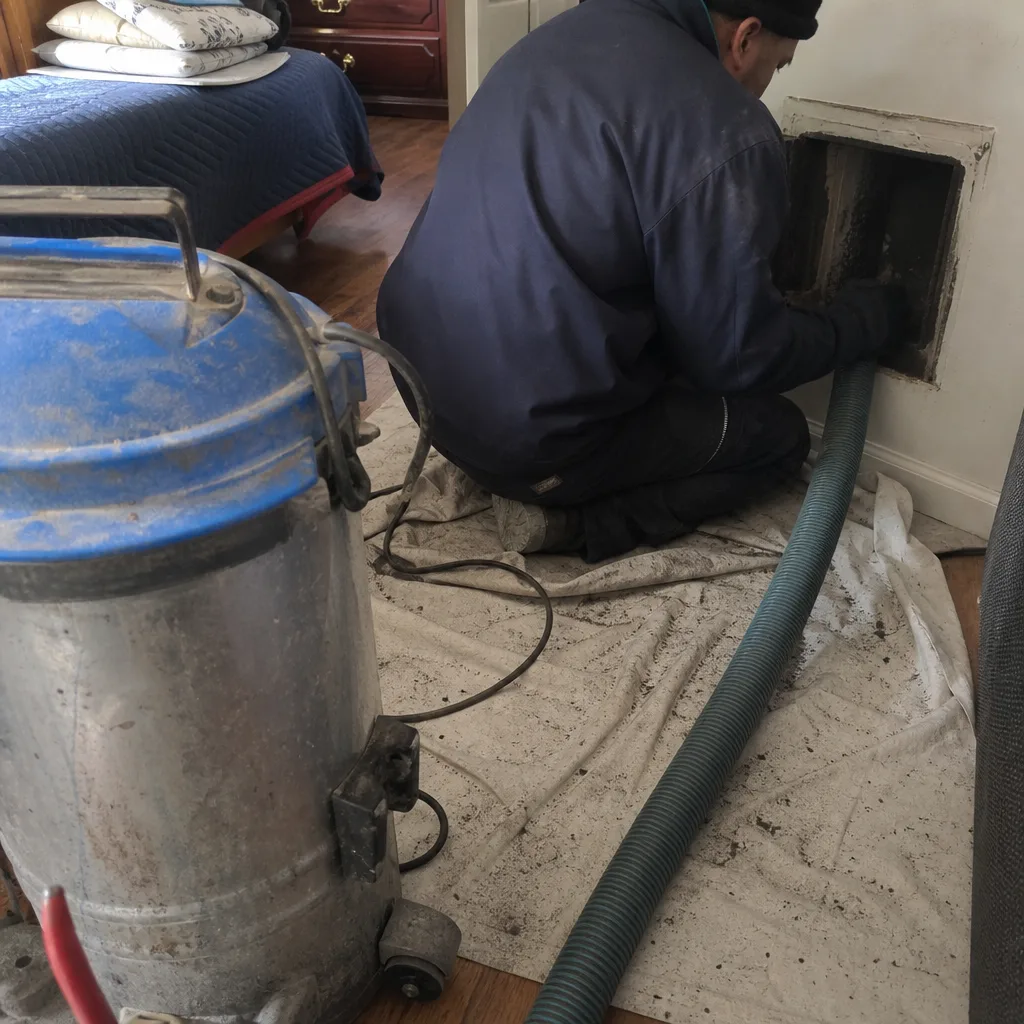
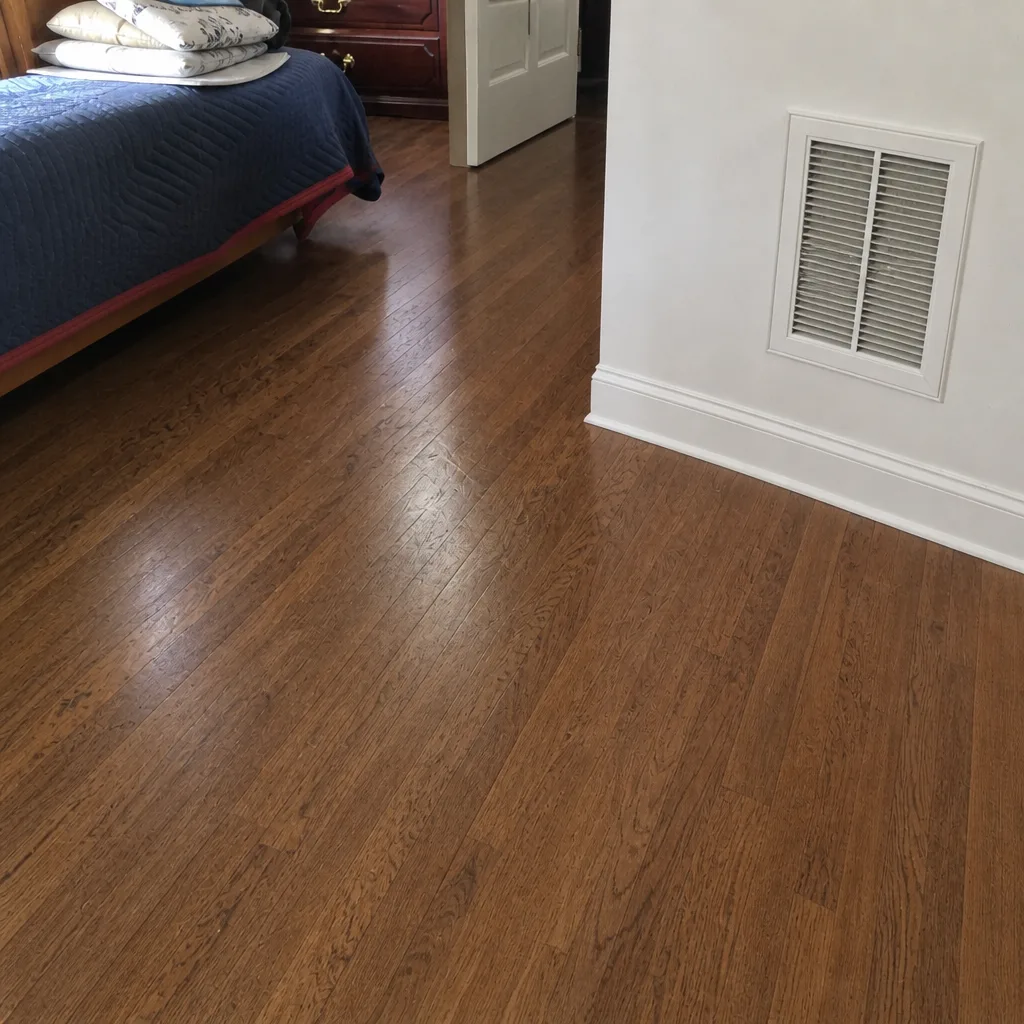
Whole-system duct and dryer vent check with before-and-after photos - you see exactly what came out of your vents
That "$99 whole-house special" is a bait ad - the real number appears once they are in your hallway, or the "clean" is a shop-vac at the register. We photograph the inside of your ducts before and after instead.
Air Duct Cleaning Warning Signs: An Upper West Side Homeowner’s Reference Guide
Most people picture duct problems as something dramatic: a bloom of black mold around a vent, a puff of dust when the heat kicks on. Those things can happen, but they’re late-stage evidence. The signals that matter arrive earlier and quieter. Nothing in this guide requires you to panic or read a scare page. It asks you to notice patterns, separate them from the ordinary noise of an old building, and get ahead of contamination while it’s still a cleaning or sealing job rather than a health problem. We wrote it for Upper West Side apartments and townhouses where a building’s HVAC runs hard and physical clues are easy to overlook. Here’s how to tell evidence from anxiety.
Quick Answer
Air duct cleaning is typically needed when you see repeated surface dusting within days of cleaning, uneven airflow between rooms that worsens over time, musty or sour smells that appear only when the system runs, symptoms that track HVAC cycles, or visible filter bypass and looseness at the air handler. Normal building dust settles evenly and slowly; duct-originating particulate deposits near registers and returns, appears fast, and returns after cleaning. And some of these signs point to system damage that needs repair before any cleaning is worth doing.
Styles & brands we work with
- Whole-home duct cleaning
- Dryer vent cleaning
- Camera inspection
- Sanitizing & deodorizing
Table of Contents
- Cleaning Signs vs. Damage Signs: The Distinction That Changes Everything
- How to Read Surface Dust Patterns in an Upper West Side Apartment
- Odor Diagnostics: What Musty, Burning, and Chemical Smells Actually Mean
- Airflow Asymmetry: When One Room Runs Cold or Hot
- Health Pattern Signals That Follow Your HVAC, Not the Season
- Filter Bypass and the Quiet Failure at the Air Handler
- Dryer Vent Warning Signs That Get Missed
- How to Evaluate Any Duct Cleaning Company Before You Book
Cleaning Signs vs. Damage Signs: The Distinction That Changes Everything
Not every warning sign means the ducts need cleaning. Some signs mean the system is damaged and needs repair before cleaning, and a company that treats both the same way is guessing.
The distinction matters because cleaning a compromised duct system can make things worse. If a joint has separated or a section of flex duct has collapsed, aggressive contact cleaning can push debris deeper into the run. If internal duct liner is degrading, agitation can break more of it loose. A professional assessment separates cleaning needs from repair needs before any equipment runs, and we approach it that way in Upper West Side apartments where duct runs are long, tuck behind closets, and often connect through shared shafts.
Here’s how the two categories typically sort out:
- Signs you likely need cleaning: surface dust returning within days, stale air smell in multiple rooms, visible debris around registers, a filter that darkens faster than it should, or a recent renovation that produced widespread fine dust.
- Signs you may need repair before cleaning: a room that never heats or cools, a reoccurring airflow collapse, visible separation at a register boot or plenum, sagging flex duct, rattle or knocking at a junction, or tape peeling off joints and the joint clearly separating.
- Signs you may need sealing: dust concentrated at the edges of a register rather than in the center, cold air behind a baseboard or vent, or a persistent odor that returns to the same spot in the room.
Our technicians have up to 9 years of experience and treat the full air pathway as one system. That’s why we look for repair points as part of an assessment rather than after cleaning begins. When we do get to the work, our air duct cleaning approach includes the inspection step so that cleaning and repair recommendations come from the same visit, and no one is selling a cleaning that won’t hold because a joint is still leaking.
How to Read Surface Dust Patterns in an Upper West Side Apartment
Surface dust is the most useful early signal in the whole guide, and it’s also the easiest to misread. Normal dust distributes broadly and evenly. Duct-originating particulate concentrates and returns after cleaning.
Here’s the practical way to test which one you’re dealing with. Clean one horizontal surface near a supply register and one on the opposite wall of the room. Mark the date on a note. Then check both about a week later. If the surface near the register has a noticeably heavier film, that’s the pattern of duct-originating particulate. If both surfaces are about equally dusty, that’s ordinary building dust plus street air, and it usually points to a filter that’s bypassing or a return path that’s leaking.
In Upper West Side apartments specifically, we look at three things:
- Proximity to the register. Duct-originating dust builds in a visible arc on the wall or furniture directly in the supply path.
- Return-side concentration. Dust on the return grille face is common and expected; dust on the wall around the return frame usually means the opening is leaking unconditioned air.
- Timing. Dust that reappears within days of a full surface cleaning is not a housekeeping problem. Something is redistributing it.
Older buildings around Central Park West and further up toward 96th tend to have long horizontal runs and original return paths that never got upgraded. Those layouts make dust concentration more pronounced at the end of the run than the beginning. If your bedroom is at the far end of the run and it’s dustier than the living room, that’s a clue about airflow and filtration, not just about how much street air you open the window to.
Odor Diagnostics: What Musty, Burning, and Chemical Smells Actually Mean
Odor is diagnostic. A musty smell, a hot-burning smell, and a chemical smell come from different parts of the HVAC pathway, and they usually point to different remedies.
Musty or sour smells. These are the most common and generally point to moisture in the ductwork, a damp filter, or a dirty evaporator coil and drain pan. In a humid Manhattan summer, condensation in the system is common, and a wet spot inside a duct will colonize with microbial growth. A musty smell that appears only on the first cycle of the day and fades is often a light coating on the coil. A musty smell that persists through a full heating or cooling cycle is a sign of deeper material retention.
Burning or hot-metal smells. That’s almost always a blower motor, belt, or electrical component, not the ducts. The right first step is an HVAC technician, not cleaning. Turn the system off and call for service. If you smell burning at a register, don’t run the system until it’s inspected.
Chemical or solvent smells. A chemically sour or off-gassing smell in a room that just got painted, floored, or new furniture installed is usually new materials, not the ducts. The exception is a chemical smell that shows up when the heat runs, which can mean the system is redistributing an odor from a storage area or an adjacent unit. In a shared Upper West Side building, this is worth checking with building management, since a well-meaning neighbor’s cleaning products can travel through shared return paths.
When musty odors persist, sanitizing after cleaning is what makes the difference. We use Abatement Technologies air scrubbers and negative-air equipment, the same class of filtration used in mold and disaster remediation, so odor removal is treated as a remediation step rather than a deodorizer spray. Our HVAC cleaning work covers the coil and the drain pan that a duct-only cleaning leaves behind.
Airflow Asymmetry: When One Room Runs Cold or Hot
Every system has a little imbalance between rooms. What matters is change. If one room used to heat and cool just fine and now runs noticeably warmer or colder than the rest of the apartment, that’s an early warning sign.
Airflow asymmetry tends to come from a few places, and the sign alone doesn’t tell you which:
- A damper that has drifted or a register that’s been pushed closed
- A joint separation, or flex duct pinched against a joist or closet wall
- Duct liner that’s collapsing or has degraded inward
- A blower or filter that has become restricted enough to reduce overall delivery
- Duct runs that were never balanced for the current layout
Here’s the sequence we recommend for diagnosing it on your own, before you call anyone:
- Check every register in the affected room. A partially closed damper is the cheapest fix on the list.
- Replace the air filter if it’s overdue, then retest.
- Feel the airflow at the register. Weak flow everywhere points to the system side; weak flow only on one run points to a duct issue.
- Turn the system off and listen at the register for a rattle or whistle, then check the visible duct near the unit for sagging or separated tape.
- Note whether the difference is persistent or only occurs on one cycle. A cyclical difference often means a pressure issue.
In Upper West Side prewar layouts, the room farthest from the air handler is usually where this shows up first. That’s the room we ask about in a free estimate, because a duct that has lost pressure on a long run will cost you comfort in every season. Duct repair and sealing is one of our five core services, and it’s what stops the loss at the joint rather than masking it with a bigger fan.
Health Pattern Signals That Follow Your HVAC, Not the Season
Seasonal allergies follow outdoor pollen counts. Duct-related symptoms follow the HVAC cycle. That’s the distinction that makes a pattern useful, and it’s the one most homeowners miss.
You don’t need to reach a medical conclusion to spot the pattern. Just look at when symptoms start and when they stop:
- Do you sneeze more in the morning when the heat first kicks on?
- Do symptoms ease when you spend the day away from the apartment?
- Do they worsen when the system switches from heating to cooling, or when the building turns over seasons?
- Does a guest or family member with asthma notice it within the first hour of a visit?
Two or more of those in the same direction is a reason to look at the system, not a diagnosis. It’s also not a guaranteed cause. Dust, pet dander, and building-wide air circulation all interact, and we don’t make medical promises. What we can say is that removing settled debris, sealing the leaks that let unfiltered air in, and cleaning the coil and drain pan reduces what a system redistributes. For a household with diagnosed asthma or allergies, that’s a reasonable, evidence-based step, and it’s worth pairing with a filter change and professional advice from your doctor.
Recent renovations are the other common trigger. New flooring, cabinet work, or interior painting sends fine particulate through the return path for weeks. If you’ve just done work in your apartment, the sign to look for isn’t visible dust. It’s filter loading, and it’s the fastest reason to schedule a full-system clean.
Filter Bypass and the Quiet Failure at the Air Handler
Filter bypass is the most overlooked warning sign in the whole list. It’s also the cheapest to fix. Bypass is when unfiltered air sneaks around the edges of the filter rather than passing through the media.
You can spot it in under a minute. Open the filter access and look at the frame. If the filter sits loosely, if the cardboard edge doesn’t seal against the housing, or if there’s a visible gap around the perimeter, unfiltered air is going straight to the coil. Then look at the blower housing and the edge of the coil. A fine gray coating on either one confirms it. That coating is what ends up back in your rooms on every cycle.
Three more things to check while you’re at it:
- Filter loading rate. A filter that darkens in a few weeks is downstream of a lot of particulate. That’s the same particulate in your rooms and in the ducts.
- Filter type mismatch. A high-MERV filter on an older system can starve it for airflow. Follow what the system is rated for, not the highest number at the store.
- The return path itself. A return grille that’s drawing from a closet or behind furniture is bringing lint and dust into the system all day long.
Upgrading the filtration and air quality side is where compatible equipment matters. We work with and service Honeywell and Aprilaire systems, so if you already have a whole-home air quality device installed, we can evaluate the filter setup as part of the full air pathway rather than treating it as an afterthought. Fixing the bypass and cleaning the system together is what stops the same particulate from coming back.
Dryer Vent Warning Signs That Get Missed
Dryer vent warning signs get missed more than any other item on this list, because they belong to a system people don’t think of as HVAC. Dryer vent cleaning is one of our five services as a standalone safety visit, and one of the leading causes of residential fires. That’s not a reason to panic. It’s a reason to know the signs.
What to watch for:
- Clothes that take noticeably longer to dry, or that come out hot but still damp
- The outside of the dryer door or top panel running much hotter than usual
- Lint visible behind or under the dryer, and lint accumulating at the outside vent flap
- A vent flap that doesn’t open fully or doesn’t open at all
- A musty smell in the laundry area, or condensation on the walls
- A laundry room that feels humid after a load finishes
If more than one of those shows up together, treat it as a safety signal. Stop using the dryer until the vent is cleared. In Upper West Side buildings, vent runs are often long and rise through a wall cavity, which makes visual checks hard. A professional visit is the only reliable way to see what’s inside the run. Our dryer vent cleaning is offered separately from duct work for exactly this reason, and it’s an inexpensive way to take a fire risk off the table.
How to Evaluate Any Duct Cleaning Company Before You Book
The right company asks about your system before it quotes a price. If a company quotes a number before looking at the ducts, the number isn’t for your apartment.
The single biggest hesitation people have in this industry is legitimate: a low teaser price that grows once the technician is at the door. The honest answer is one flat price per system, agreed before any work starts, with no per-vent pricing. Ask any company you consider these six questions:
- What equipment do you use? The answer should name a professional contact-cleaning system, not a shop vacuum. We use Rotobrush contact-cleaning systems and Nikro commercial HVAC vacuums, which agitate and extract debris rather than displacing it.
- Do you inspect for damage and leaks before cleaning, or only after?
- Does the price cover the full system, or is it per vent?
- Will you take before-and-after photos of my own ducts?
- Do you service whole-home air quality equipment if I already have it installed?
- Are you willing to put the scope in writing before the work starts?
If a company can’t answer all six clearly, that’s your answer. Our vetted local professionals are licensed and insured as their state requires, and you can ask to see it. A pro who handles all five services (cleaning, dryer vent clearing, HVAC cleaning, duct repair and sealing, and air quality and sanitizing) can look at the full air pathway and tell you where the problem actually is. That’s the difference between a quote and a diagnosis.
Common Mistakes to Avoid
- Booking a cleaning when the sign points to damage. A room that never heats or cools is not usually a cleaning problem. Repair has to happen first, or the cleaning won’t hold.
- Judging by dramatic evidence only. Visible mold and black dust are late-stage. The reliable signals are the quiet ones, like a filter that loads fast and dust that returns in days.
- Treating a filter change as a cure-all. A new filter that bypasses the housing is barely filtering anything. Inspect the seal, not just the media.
- Ignoring the dryer vent because it’s “not HVAC.” Dryer vent cleaning is a fire safety visit. If clothes take longer to dry and the dryer runs hot, stop using it until the vent is checked.
- Chasing a low teaser price. In a city with a lot of duct cleaning ads, the cheapest quote is the one most likely to grow. Look for one flat price per system, agreed in writing.
- Cleaning without fixing the entry point. If a joint is separating or the boot is open to a floor cavity, a cleaning is temporary. Sealed and clean is the goal, not clean alone.
- Dismissing musty smell as “just the building.” A musty odor that follows the HVAC cycle is a signal about moisture in the system. It deserves a look.
See the difference
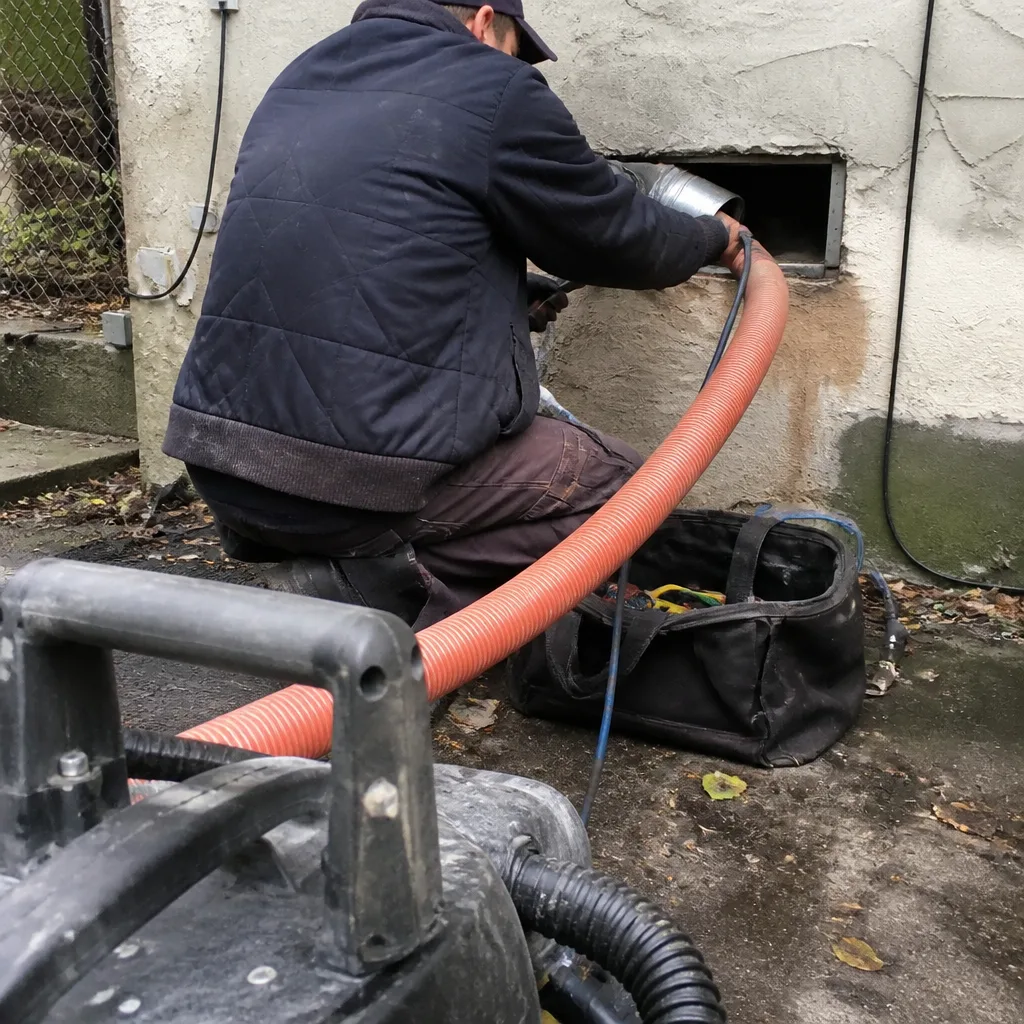 Before
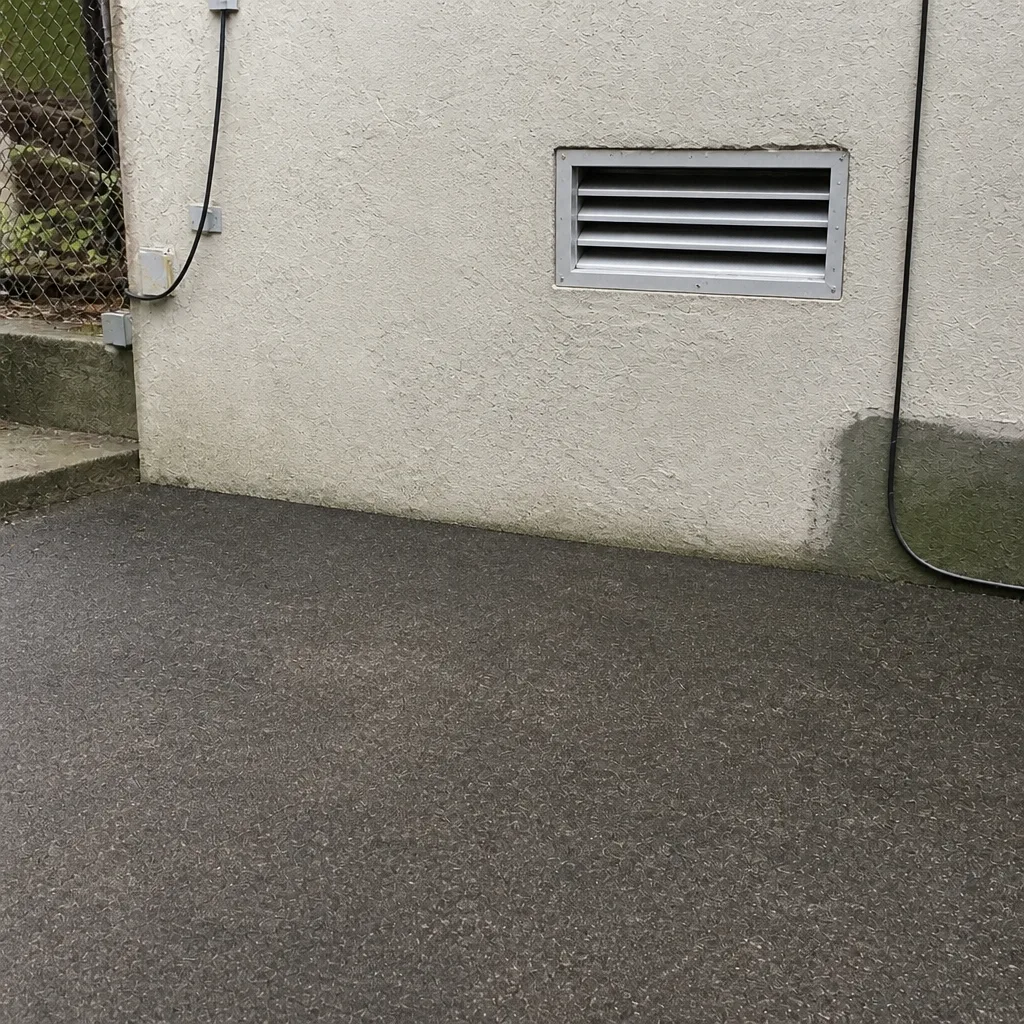 After
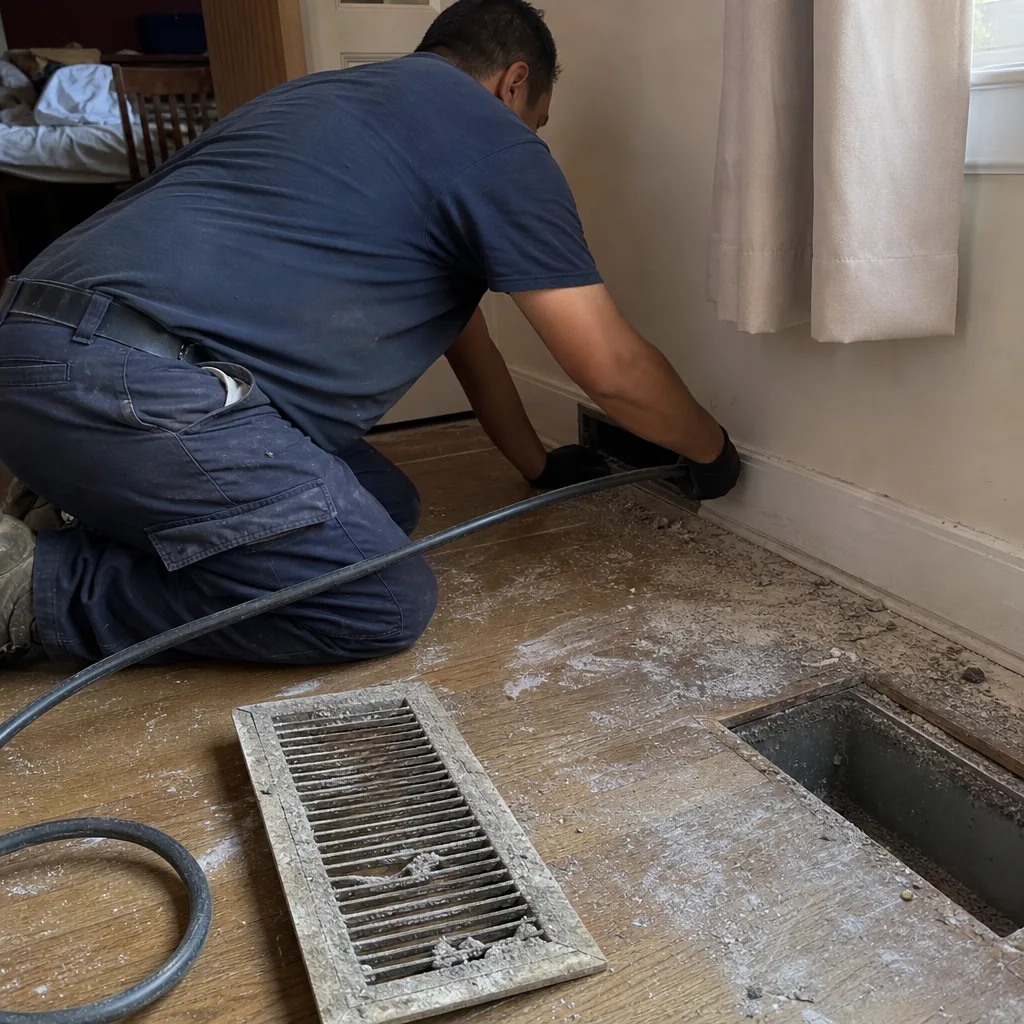 Before
 After
 Before
 After
When to Call a Professional
Get a professional in if you see dust return to a cleaned surface within about a week, if one room has lost noticeable airflow, if a musty smell follows the system cycle, if a filter is loading weeks faster than it used to, if you’ve just finished a major renovation, or if a dryer shows any of the vent warning signs. Those are signs you can act on with evidence instead of worry. During a visit, ask for the damage-versus-cleaning assessment up front, and expect one flat price per system before work begins. A written estimate sets the final price. Air Duct Cleaning Upper West Side offers free estimates in Upper West Side. Call (855) 552-7560 for an exact quote on your system. We answer 24/7, and fast dispatch runs from 7am to 7pm, Sunday through Friday. We’re closed on Saturday; if you call then we’ll book you in for Sunday.
Frequently Asked Questions
You likely need air duct cleaning when dust returns to the same surface within days of cleaning, when a musty smell appears only while the system runs, or when a filter darkens much faster than it used to. Surface deposition pattern is the most reliable test: heavy dust near the supply register and less on the opposite wall points to duct-originating particulate, while even dust across the room points to ordinary building dust. Call (855) 552-7560 for an exact quote. Estimates are free.
A musty smell from the vents usually means moisture is trapped somewhere in the HVAC pathway, most often in a damp filter, a dirty evaporator coil and drain pan, or microbial growth on the interior of the ductwork. In a humid Manhattan summer, condensation in the system is common. A smell that appears on the first cycle of the day and fades is often light. A smell that persists through a full cycle deserves cleaning and sanitizing. Call (855) 552-7560 for a professional look.
Not necessarily. A single room running cold or hot usually points to a damper that’s closed, a separated joint, a crushed flex duct, or a system that was never balanced for the current layout. Cleaning may not solve it. Repair and sealing often will. Check the registers and the filter first, then have the duct run inspected. Call (855) 552-7560 to schedule an assessment.
Cleaning signs say the ducts are dirty; damage signs say they’re compromised. Dust returning fast, stale air smell, and a filter loading quickly are cleaning signs. A room that never heats, a visible separation at a register boot, sagging duct, or tape peeling off a separated joint are damage signs that call for repair first. Cleaning a compromised run can push debris deeper, so the order matters. Call (855) 552-7560 for an assessment that separates the two.
Filter bypass is a visible gap between the filter and its housing, and it matters because unfiltered air goes straight past the filter to the coil. Open the filter access and look at the cardboard edge. If it sits loosely or there’s a clear gap around the perimeter, you’ve got bypass. A fine gray coating on the blower housing or coil edge confirms it. Fix the seal and clean the system and the particulate stops returning. Call (855) 552-7560 for a quote.
Cheap duct cleaning quotes usually cover only the visible vents, not the full air pathway, and the price grows once the technician is on site. That’s the bait-and-switch problem in this industry, and the way around it is a written, one flat price per system, agreed before work starts. Ask what equipment is used and whether the price is per vent or per system. Our approach is one flat price, before-and-after photos of your own ducts, and a free estimate. Call (855) 552-7560.
Ductwork usually needs cleaning every few years in a typical home, and sooner after a renovation, with pets, in a household with asthma or allergies, or after any sign in this guide appears. There’s no single schedule that fits every system, because filter loading and duct condition vary widely. Watch the signs rather than the calendar. Call (855) 552-7560 for an exact quote on your system.
You can, but check the same things you’d check anywhere: what equipment they use, whether they inspect for damage and sealing needs, and whether the price is per system or per vent in writing. Building-recommended vendors sometimes get a fixed per-vent rate that stays the same regardless of what your ducts actually look like. You’re entitled to a second quote. Call (855) 552-7560 for a free one.
The Bottom Line
The warning signs that matter in an Upper West Side home are not the dramatic ones. They’re repeated surface dust that returns after cleaning, staggered airflow between rooms, musty smells tied to the HVAC cycle, symptom patterns that follow the system rather than the season, and a filter that never quite fits. Each of those points to a specific part of the air pathway, and each has a specific remedy: cleaning, repair, sealing, sanitizing, or simply a filter that seals properly. Read the signs, act on evidence rather than worry, and expect one flat price per system before you book anything. One full-system visit from a company that uses professional-grade equipment, not shop vacuums, is usually what turns a list of mystery signs into a short, specific list of work.
Written by the team at Air Duct Cleaning Upper West Side.