
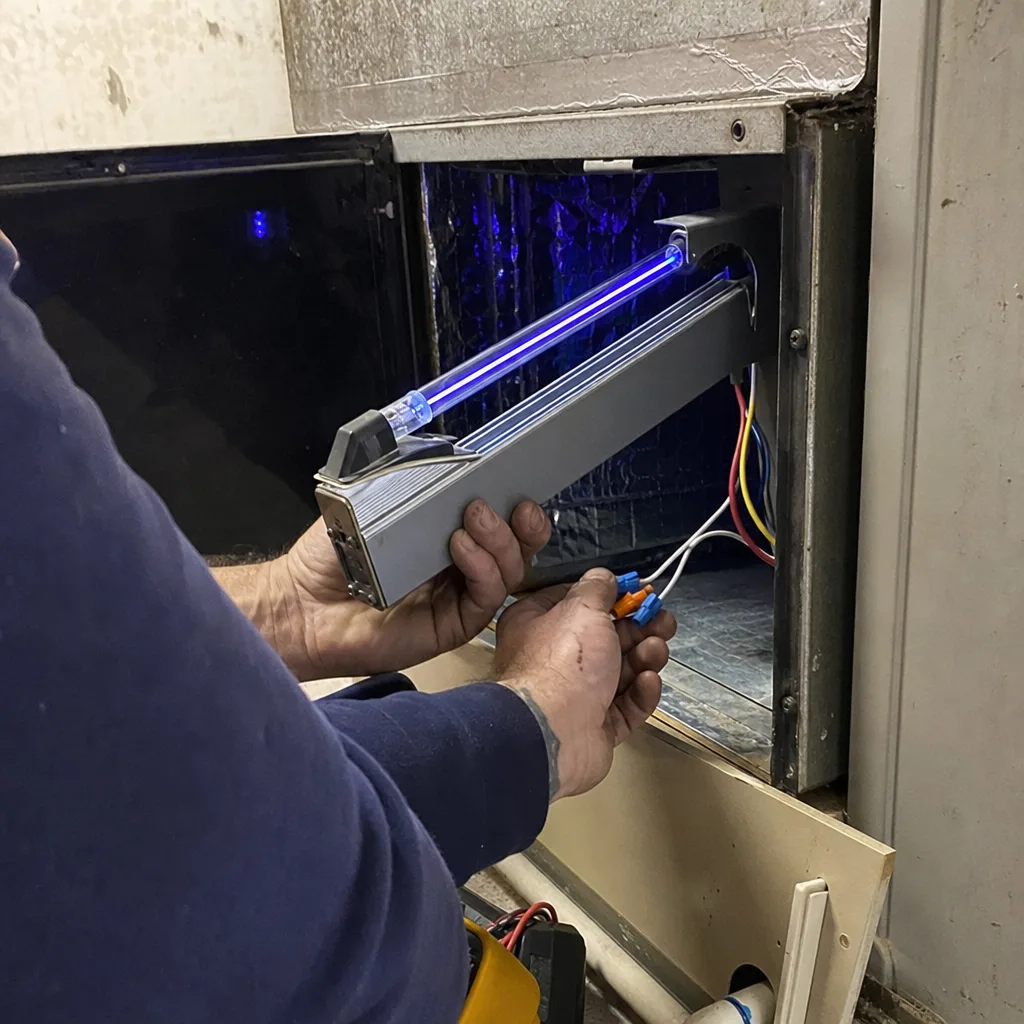
Last updated November 22, 2026
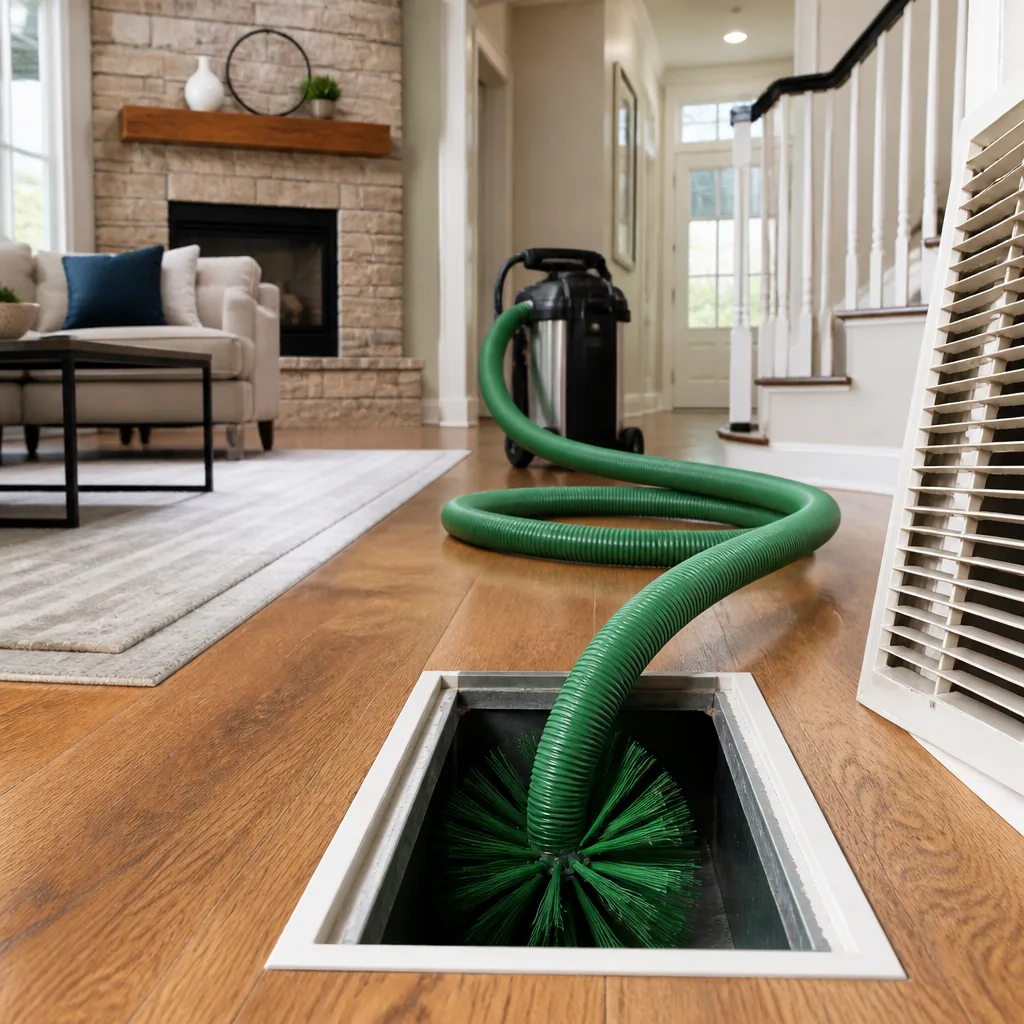 Whole-home duct cleaning
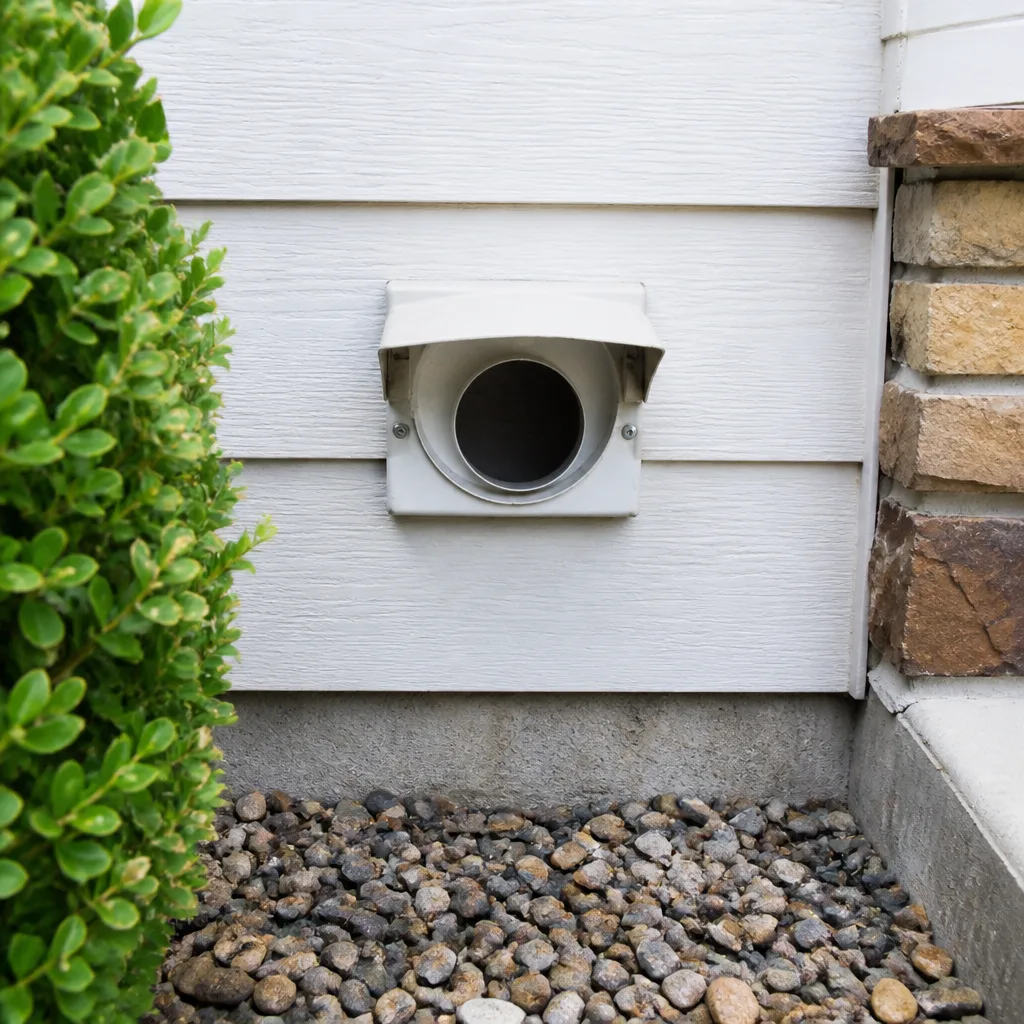 Dryer vent cleaning
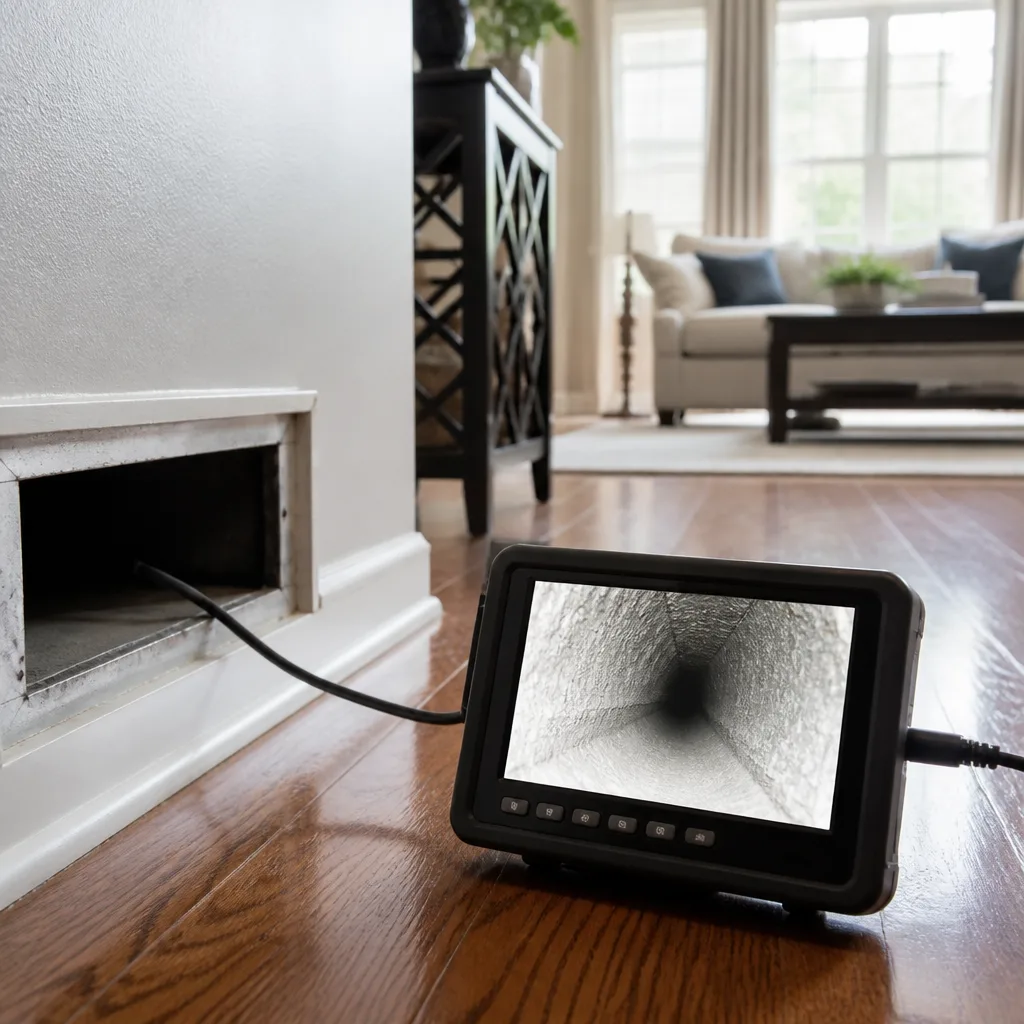 Camera inspection
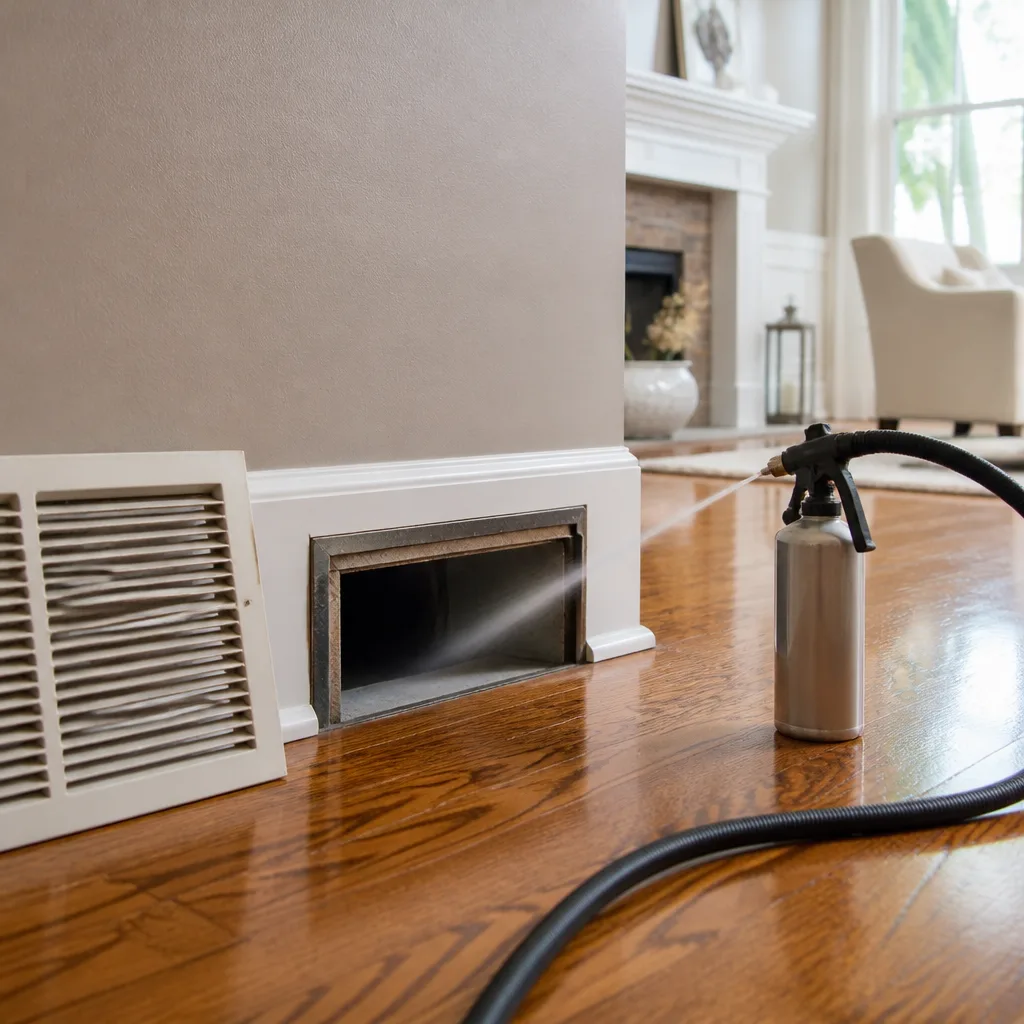 Sanitizing & deodorizing
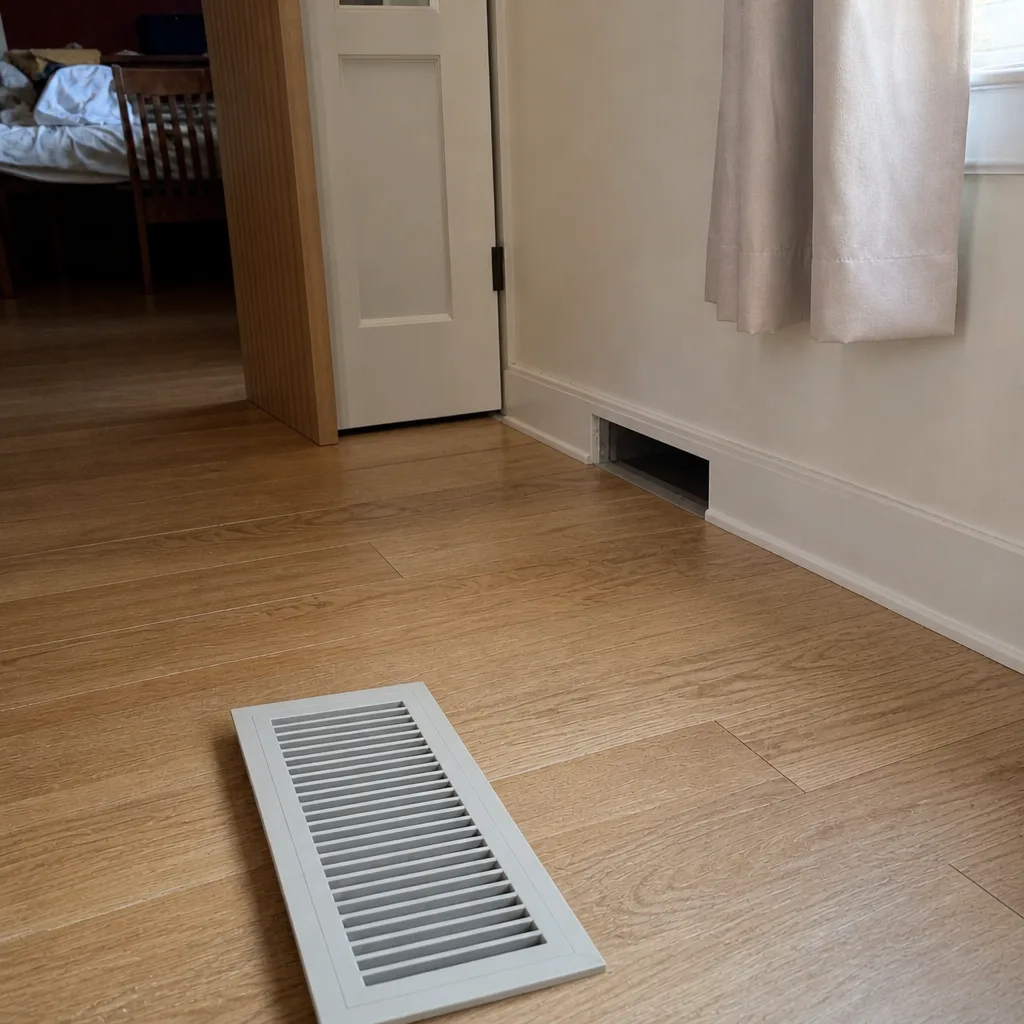
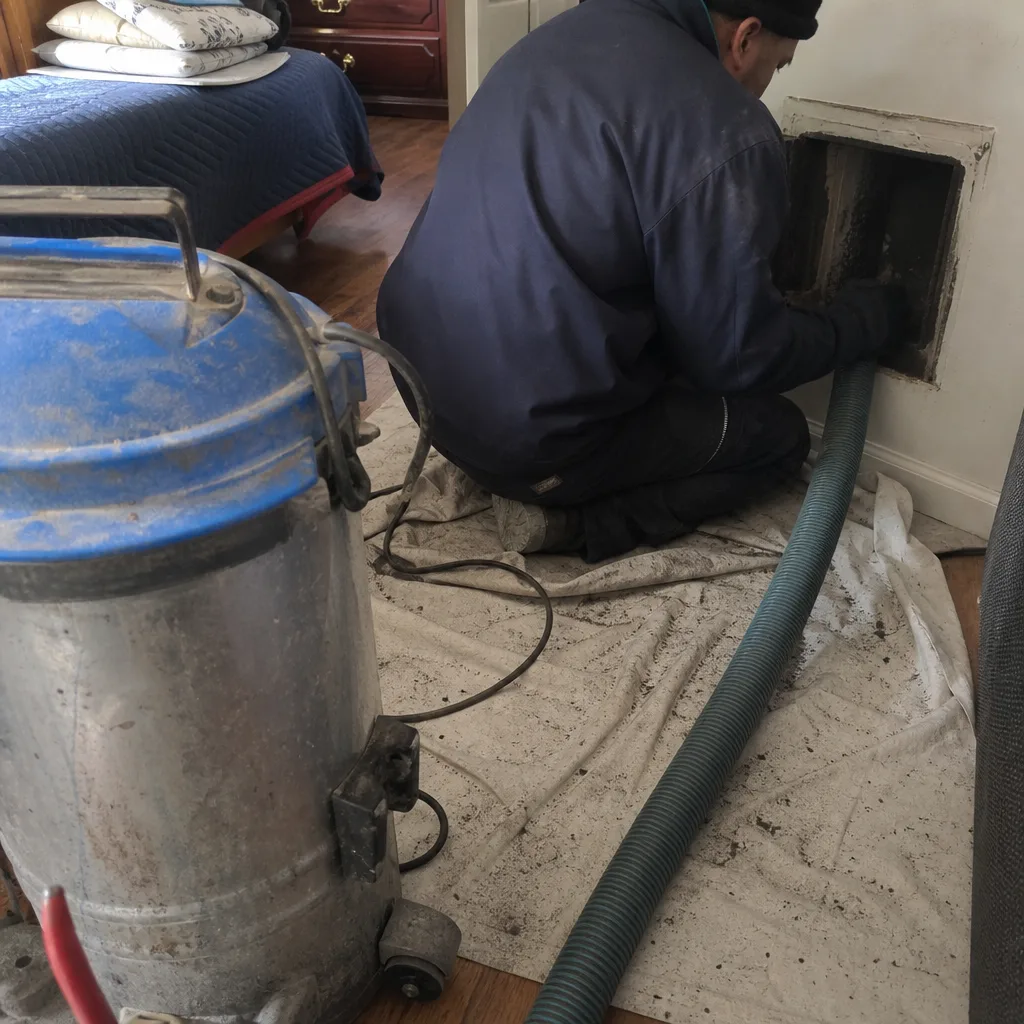
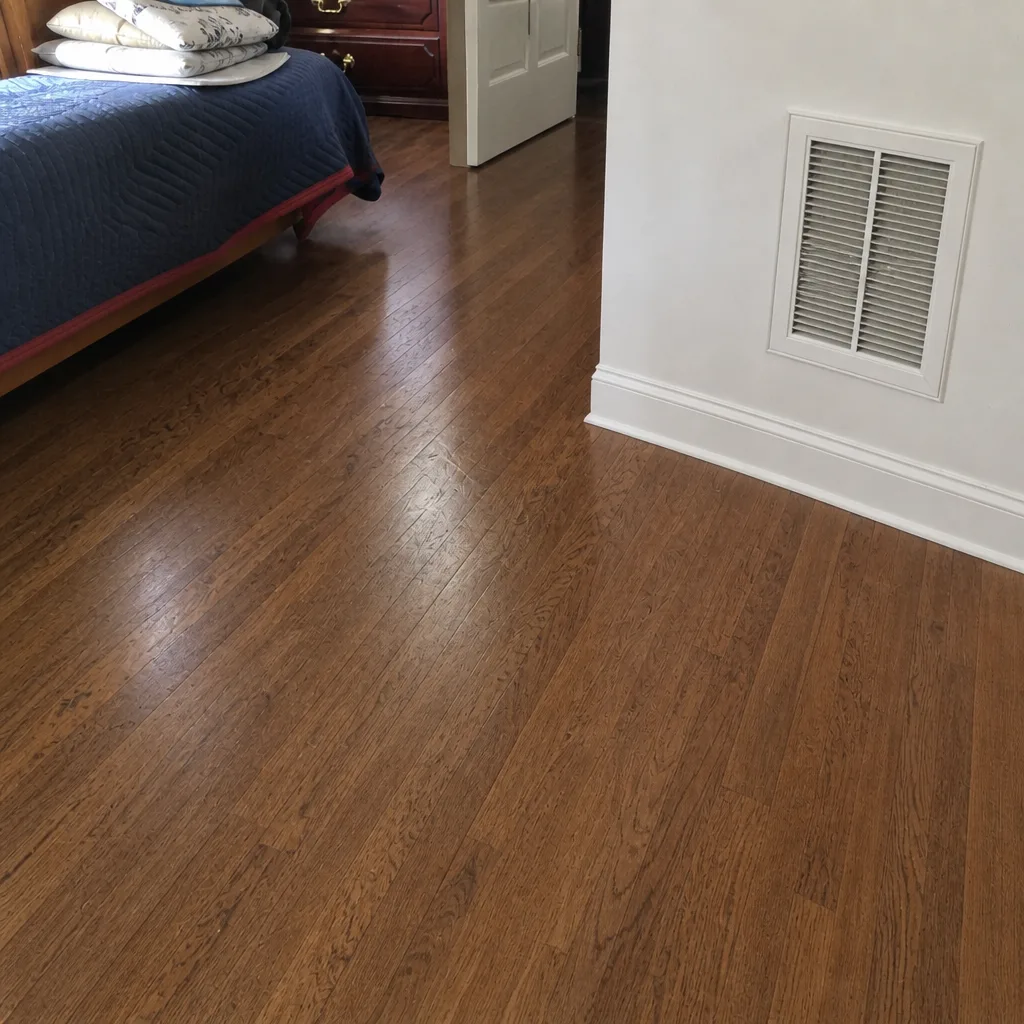
Whole-system duct and dryer vent check with before-and-after photos - you see exactly what came out of your vents
That "$99 whole-house special" is a bait ad - the real number appears once they are in your hallway, or the "clean" is a shop-vac at the register. We photograph the inside of your ducts before and after instead.
DIY vs Professional Air Duct Cleaning: The Upper West Side Homeowner’s Decision Guide
A shop vac and a dryer vent brush can clean the first twelve inches behind a register. That’s the part everyone can see, and it’s the part that usually isn’t the problem. The contamination that actually degrades indoor air quality lives further in: in the main trunk lines, at duct joints where older systems leak, and on the evaporator coil surfaces where moisture collects. None of those are reachable with consumer tools, and in most Upper West Side apartments they can’t even be seen without a scope. This guide is an honest technical comparison, not a sales pitch. We’ll show you what DIY can genuinely accomplish, where it falls short, and how to judge whether a professional job actually went beyond what you could have done yourself.
Quick Answer
DIY air duct cleaning is worth doing for surface-level maintenance: register and grille cleaning, filter replacement, and visual inspection. It cannot clean the interior of duct runs, because a shop vac generates nowhere near the negative pressure needed to pull settled debris out of a plenum or trunk line, and it can’t reach those sections in the first place. In Upper West Side pre-war buildings, with their older flex duct and inaccessible trunk locations, a professional source-removal cleaning with documented airflow verification is the only method that addresses the actual contamination.
Styles & brands we work with
- Whole-home duct cleaning
- Dryer vent cleaning
- Camera inspection
- Sanitizing & deodorizing
Table of Contents
- The Negative Pressure Question: What Consumer Tools Actually Generate
- What You Can Legitimately Do Yourself in an Upper West Side Apartment
- Why a Well-Intentioned DIY Attempt Can Make Things Worse
- The Upper West Side Case Against DIY: Old Ducts, Hidden Trunks, Building Rules
- What a Professional Job Actually Involves
- How to Confirm the Work Went Beyond What DIY Could Do
- What Air Duct Cleaning Costs in Upper West Side
- The Part DIY Never Touches: Duct Repair and Sealing
The Negative Pressure Question: What Consumer Tools Actually Generate
Duct cleaning is a pressure problem before it’s a scrubbing problem. Loose debris inside a duct run doesn’t sit still. It clings to the interior walls through a combination of static charge, light moisture, and simply settling into the low spots of the sheet metal. To remove it, you have to put the whole system under negative pressure so that the debris lifts and travels toward a collection point, then agitate the interior surfaces so what’s stuck comes loose. Do one without the other and you’ve either dislodged dirt you can’t capture, or vacuumed air that never picked anything up.
Industry guidance on source removal, published by the National Air Duct Cleaners Association, centers on equipment capable of maintaining meaningful negative pressure across the entire duct system while contact-cleaning tools agitate the interior. That’s a two-part requirement, and consumer equipment falls short on both.
- Negative pressure: A household shop vac pulls air at a small fraction of the volume a truck-mounted or high-capacity commercial vacuum moves. Connected to a single register, it creates a weak draw that reaches inches into the run and no further. We use Nikro commercial HVAC vacuum equipment built to hold negative pressure across a whole system at once.
- Containment: A professional setup seals the register openings and connects the vacuum to the main trunk, so the pressure gradient runs through the ducts rather than through your living room. A shop vac hose taped to one vent does the opposite.
- Contact agitation: This is the physical cleaning step. Rotobrush systems drive rotating brushes and whip lines through the duct interior, knocking debris off the walls so the vacuum can capture it. A dryer vent brush on a flexible rod reaches maybe a few feet, and only in a straight run.
- Filtration of the exhaust: Everything pulled out of the ducts has to be captured, not exhausted back into the apartment. Commercial vacuums use HEPA-grade filtration. Most shop vacs, even with a fine dust bag, release a noticeable fraction of fine particulate back into the room.
Put those four together and the gap isn’t marginal. It’s the difference between a surface wipe and source removal. When we talk about air duct cleaning Upper West Side, this pressure-and-agitation pairing is the whole method, and it’s why the answer to “can I do this myself” isn’t really about willingness.
What You Can Legitimately Do Yourself in an Upper West Side Apartment
The honest answer is that there’s a real list of maintenance tasks homeowners and renters should do themselves. These are the ones that keep a system healthy between professional cleanings, and none of them require special equipment.
- Replace the HVAC filter on schedule. Check it monthly during heating and cooling season, and replace it when it’s visibly loaded. A clogged filter is the single most common cause of restricted airflow in an Upper West Side apartment, and it’s a five-minute job.
- Vacuum the supply and return grilles. The face of a grille accumulates dust, pet hair, and cooking residue. Remove it if it lifts out easily, wash it in the sink, and let it dry before replacing. This is surface cleaning and it genuinely helps.
- Clean the first few inches behind a register. With the grille off, a vacuum with a crevice tool can pull loose dust from the visible boot. Stop where the duct turns or narrows.
- Confirm the return air path isn’t blocked. Furniture, rugs, and storage pushed against a return grille starve the system. In smaller pre-war layouts this happens more than people realize.
- Keep an eye on the coil area and the condensate line. Look for standing water, musty smell, or visible dust matting near the air handler. If you see any of it, note it for a technician rather than trying to clean it yourself. Coils and electrical components aren’t a DIY zone.
- Check a Honeywell or Aprilaire filter or humidifier you already own. If your apartment has a whole-home air quality component, read the manufacturer’s maintenance section and follow it. Owners of these systems often let the consumables run long.
That’s the honest boundary. All of it is register-to-filter work. None of it touches the interior duct surfaces or the main trunk, because none of those are reachable from a register opening.
Why a Well-Intentioned DIY Attempt Can Make Things Worse
The failure mode of a bad DIY attempt isn’t that nothing happens. It’s that something happens and the homeowner can’t see it. Without proper containment, a consumer vacuum or a compressed-air blast dislodges settled contamination without capturing it. And once it’s airborne, it has to go somewhere.
- Redistribution into the living space. Debris loosened inside a duct run and not captured gets pushed through the next supply register when the system runs. What was settled on a duct wall now floats through a bedroom.
- Pressure changes across dirty sections. Forcing air through a section already loaded with debris can drive material toward the coil, the air handler, or a flexible transition where it’s harder to remove.
- Damaged duct interiors. Flexible duct liner and older flex duct tear easily. A stiff brush pushed past a bend can score the interior, and a torn liner becomes a collection point for future dust and a source of fiberglass particulate.
- Disconnected joints. Older Upper West Side apartments commonly have flex duct connected with tape or collars that are already loose. Agitating from a register can pull a joint apart inside a wall or ceiling cavity, and now you have an air leak you can’t see.
- False confidence. The surface looks clean, the grille is shiny, and the household assumes the ducts are clean. Meanwhile the trunk line and coil are untouched.
There’s a secondary risk worth naming: moisture. In an apartment where a bathroom exhaust or a humidifier has been running, dust in the duct can be damp enough to cling harder and support microbial growth. Disturbing it without capture spreads the problem. If you smell a musty odor from a supply register, that’s a signal to stop and get the system assessed rather than to try harder yourself.
The Upper West Side Case Against DIY: Old Ducts, Hidden Trunks, Building Rules
Every city has its quirks, and Upper West Side housing stock has a specific set that makes DIY duct cleaning especially unproductive here.
Pre-war construction with concealed ductwork. In much of the Upper West Side’s pre-war building stock, ductwork wasn’t designed as a clean, accessible pathway. Runs step through soffits, chase walls, and closet ceilings. Trunk lines route through spaces a homeowner can’t see, let alone reach. A cleaning method that depends on access from a register simply can’t do the job when three quarters of the air pathway is behind plaster and millwork.
Retrofitted systems in older apartments. When a central air system was added to a pre-war apartment, the installer often used flexible duct to snake through the existing structure. That flex duct has tighter bends, more joints, and a smoother, more damage-prone interior than rigid sheet metal. It’s exactly the kind of duct that responds to professional contact cleaning and punishes a homeowner’s improvised brush.
Radiator-era conversions and shared return air. Mixed system types are common in the neighborhood, which makes identifying what’s actually connected to what harder than it looks. A return grille that appears to serve one bedroom may be part of a shared return path. Guessing wrong means you can move contamination between zones.
Building rules about equipment and access. Co-op and condo boards across the Upper West Side often restrict access to roof bulkheads, mechanical spaces, and shared shafts, and many prohibit equipment that produces noise or exhaust in common areas. A truck-mounted or high-capacity vacuum has to be staged, and the setup has to satisfy the building. This is routine for a professional crew and essentially a wall for a homeowner.
Dense living and shared air. Townhouse conversions and older apartment buildings share duct chases and mechanical areas more than a suburban single-family home does. Contamination that migrates through a joint isn’t just your problem.
None of this says the Upper West Side is uniquely dirty. It says the housing stock makes the DIY-versus-professional question more consequential, because a consumer tool has even less access here than it would in a new-build house with rigid duct and open mechanicals.
What a Professional Job Actually Involves
A source-removal cleaning has a specific sequence, and the sequence is a large part of what separates it from anything a homeowner can do. Here’s how the work runs.
- Assessment and system mapping. Before anything moves, the technician identifies supply runs, returns, the air handler, and the coil. In an Upper West Side apartment, that also means finding the concealed trunk lines and checking whether any flex duct is disconnected or damaged.
- Containment and negative pressure setup. Register openings are sealed and connected to the commercial vacuum. The whole system is drawn under negative pressure before any agitation begins, so debris starts moving toward the collection point rather than into the room.
- Contact cleaning of the duct interiors. Rotobrush equipment drives rotating brushes and whips through the runs, agitating the interior walls so settled debris lifts into the airstream and gets captured. Every reachable branch and run is worked, including the trunk line.
- HVAC unit and coil cleaning. The air handler and coil get cleaned as part of the same job. A clean duct system feeding a dirty coil defeats the purpose. This is why HVAC cleaning belongs in the same visit rather than a separate one.
- Sanitizing, where appropriate. Air scrubbers running HEPA and carbon filtration keep the work area’s air clean during the job. Where sanitizing is warranted, we use Abatement Technologies equipment to hold the space under negative pressure and run remediation-grade filtration, which is a different class of work from a spray deodorizer.
- Protective treatment. Guardsman protective treatments are applied where appropriate to give the cleaned surfaces lasting resistance to future buildup.
- Verification and documentation. Before-and-after photos of the duct interiors, plus airflow checks, confirm the job was done. This is the part a homeowner has no way to produce from a DIY attempt.
Whole-system work is the point. The full air pathway includes the ducts, the coil, the air handler, and the return path. Cleaning one section and leaving the rest is what we’d call a partial job, and it’s what most DIY attempts amount to.
How to Confirm the Work Went Beyond What DIY Could Do
The better question isn’t “did they clean?” but “how do I know they cleaned past the point I could have reached?” Any credible provider should be able to show you, on the day.
- Before-and-after photos of the actual duct interiors. Not a stock image, not a “representative” photo from another job. Photos taken during your service, with the register or run identifiable.
- Airflow testing before and after. A measurement at the registers confirms the system is moving air as it should. Restricted airflow before and improved airflow after is direct evidence something was removed from the pathway.
- Documentation of what was found. Disconnected joints, damaged flex, evidence of moisture, or a coil that needed cleaning. If a provider can’t tell you what they found, the cleaning log is thin.
- A written report of the work performed. Which runs were cleaned, which were not accessible and why, and what condition the coil and air handler were in.
- Debris removed, visibly. Commercial vacuums capture material in a collection chamber. A technician should be able to show you what came out, not just describe it.
We build every visit around this: photos of your own ducts, one flat price per system agreed before work starts, and a report you can hand to a co-op board or a landlord if you need to. You can read more about the process on our air duct cleaning page.
What Air Duct Cleaning Costs in Upper West Side
Air duct cleaning in Upper West Side is priced per system, not per vent, and the honest way to think about the cost is in terms of the whole job: number of runs, accessibility of the trunk lines, and whether HVAC cleaning and repair are part of the visit. Listed below are typical estimated ranges. The written estimate you get on site sets the final price.
- Standard duct cleaning for an apartment or small home system: typically $400 to $750, depending on the number of registers and whether the trunk line is accessible without opening a ceiling.
- Larger systems or systems with multiple zones: typically $700 to $1,200, with the upper end reflecting concealed trunk lines and more extensive runs.
- Duct repair and sealing, when loose joints or disconnected sections are found: priced per section, generally $150 to $500 depending on location and access.
- Air quality sanitizing with remediation-grade filtration: typically $200 to $450, depending on system size and the product used.
- Dryer vent cleaning as a standalone service: typically $125 to $250, and worth doing on its own schedule because dryer vents are one of the leading causes of residential fires and are often skipped by duct-only providers.
Two things to be careful about when comparing quotes. A quote advertised as a very low per-vent price frequently becomes a much larger figure once the technician is on site and “extra” cleaning is recommended. And a quote that doesn’t specify which runs are being cleaned and whether the coil is included isn’t really a comparable quote. A flat price per system, agreed before the work begins, is the honest structure, and it’s how we handle it. Our technicians have up to 9 years of experience, and the estimate is free.
The Part DIY Never Touches: Duct Repair and Sealing
Cleaning removes contamination. It doesn’t stop contamination from re-entering. The root cause of a lot of dusty, low-airflow systems isn’t the dust itself, it’s the leaks, gaps, and disconnected joints that let it in. Sealing the system is the part of the work that makes the cleaning last.
In an Upper West Side apartment, this matters more than it does in a newer home. Flexible duct in a recessed ceiling, collars that were taped decades ago, and joints that have pulled apart behind a wall all admit air from cavities that aren’t clean. Pulling air from a dusty wall cavity and delivering it to a bedroom is the opposite of what an HVAC system should do.
What sealing work typically involves on a visit:
- Locating disconnected or leaking joints using visual inspection and airflow readings.
- Reconnecting damaged sections, replacing torn flex duct, and sealing joints at the register boots and at the air handler.
- Sealing at the coil cabinet and plenum where a gap is drawing in unconditioned air.
- Verifying airflow after the repairs so the homeowner can see the difference.
If you only ever do one thing professionally, cleaning without sealing leaves the same leaks that let contamination back in. We handle both as part of one visit, and you can read about dryer vent cleaning as the other “often overlooked until there’s a problem” service in a typical apartment.
Common Mistakes to Avoid
- Assuming a shop vac taped to a register is duct cleaning. It reaches a few inches into one run and captures a fraction of what it loosens. The trunk line and the coil are untouched.
- Skipping containment on a DIY attempt. Working without negative pressure and sealed register openings pushes loosened debris into the living space. If you’re going to do anything inside a duct, seal the other registers first.
- Using a stiff brush on flexible duct. Upper West Side retrofits often run flex duct through tight turns. A rigid brush can tear the liner and leave fiberglass exposed to the airstream.
- Cleaning the ducts but not the coil. A dusty coil keeps recirculating contamination into clean ducts. The two have to be cleaned in the same job to see the benefit.
- Accepting a per-vent quote as your only number. Per-vent pricing is where bait-and-switch lives. Ask for a flat price per system, in writing, before any work starts.
- Overlooking the dryer vent. It’s the same class of service and one of the leading causes of residential fires. It gets skipped when the focus is only on the HVAC.
- Ignoring a musty smell from a supply register. A persistent musty odor from one register usually points to a specific moisture source, not general dust. Have it looked at rather than trying to spray it away.
- Assuming a cleaning “covers” your air quality equipment. If you have a Honeywell or Aprilaire whole-home system, confirm the technician is familiar with it before booking. Not all providers are trained on that equipment.
See the difference
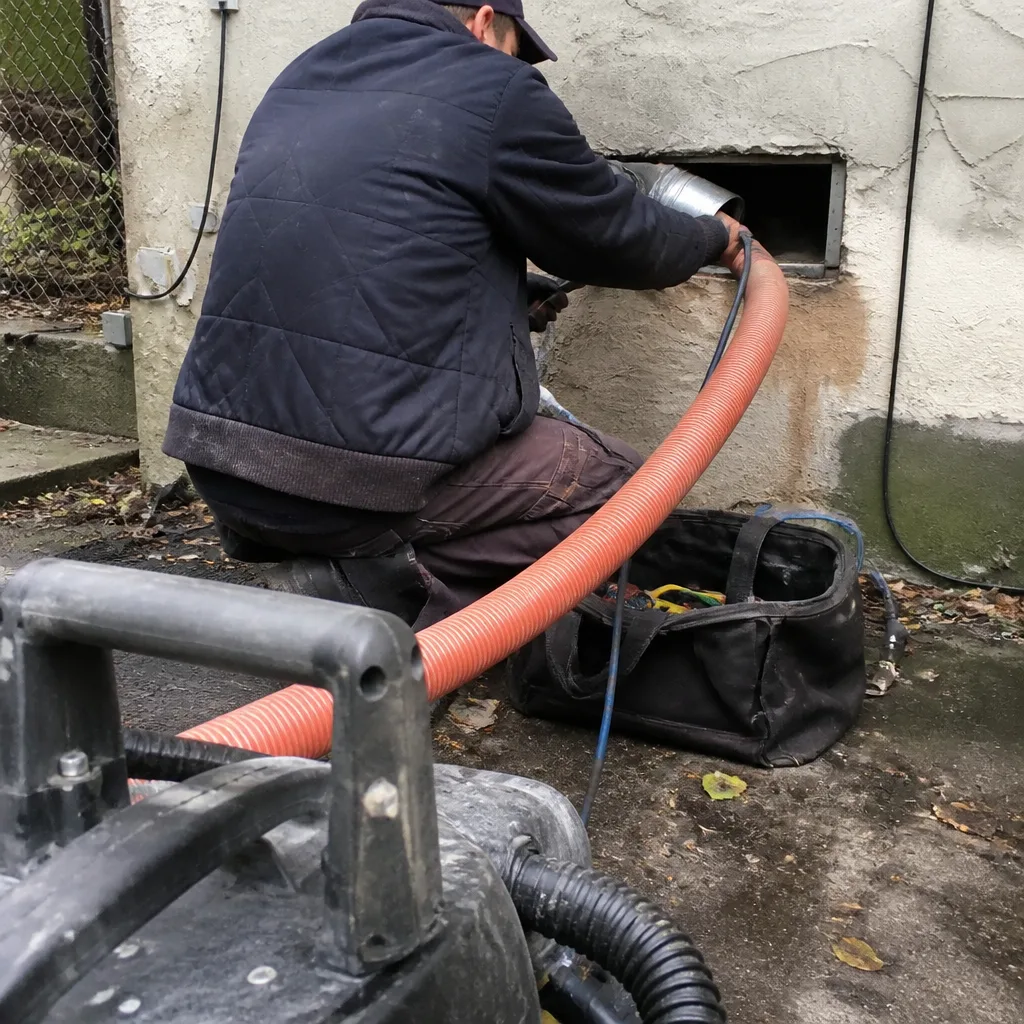 Before
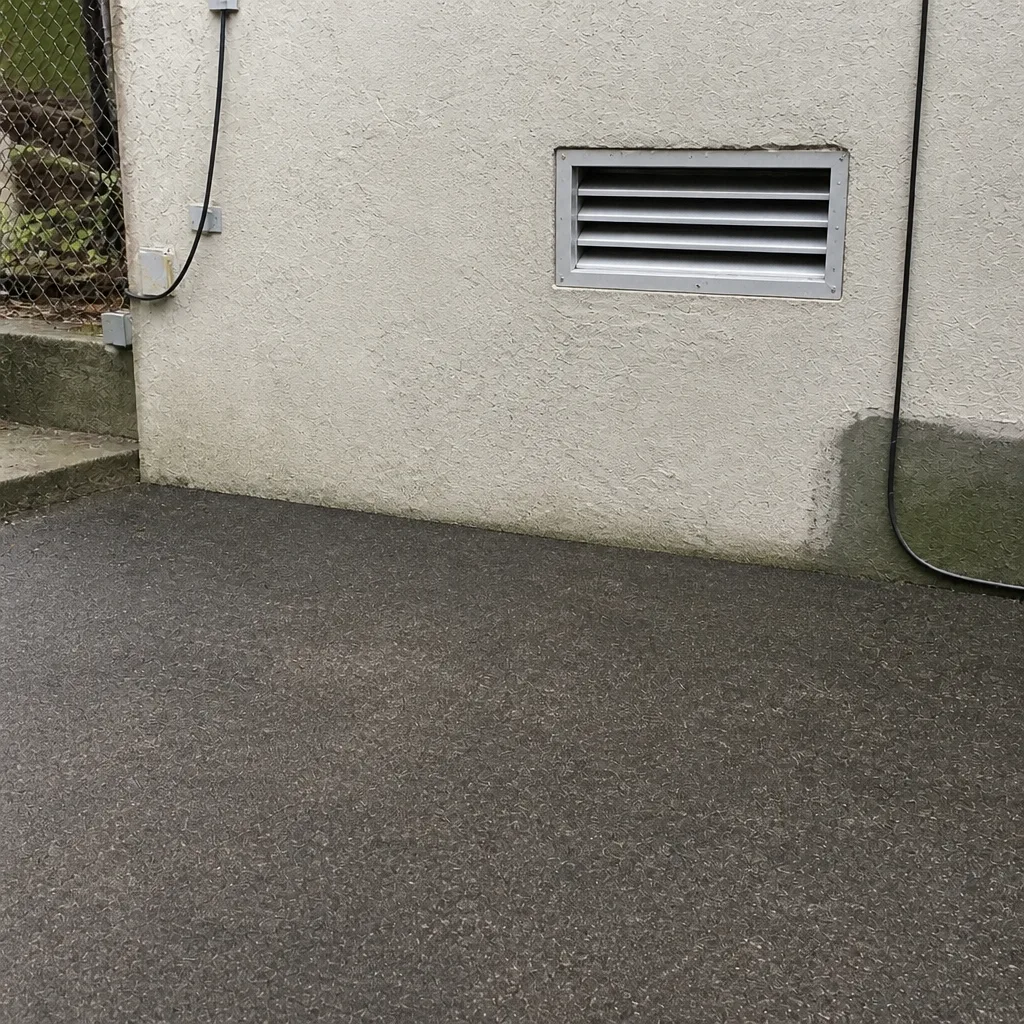 After
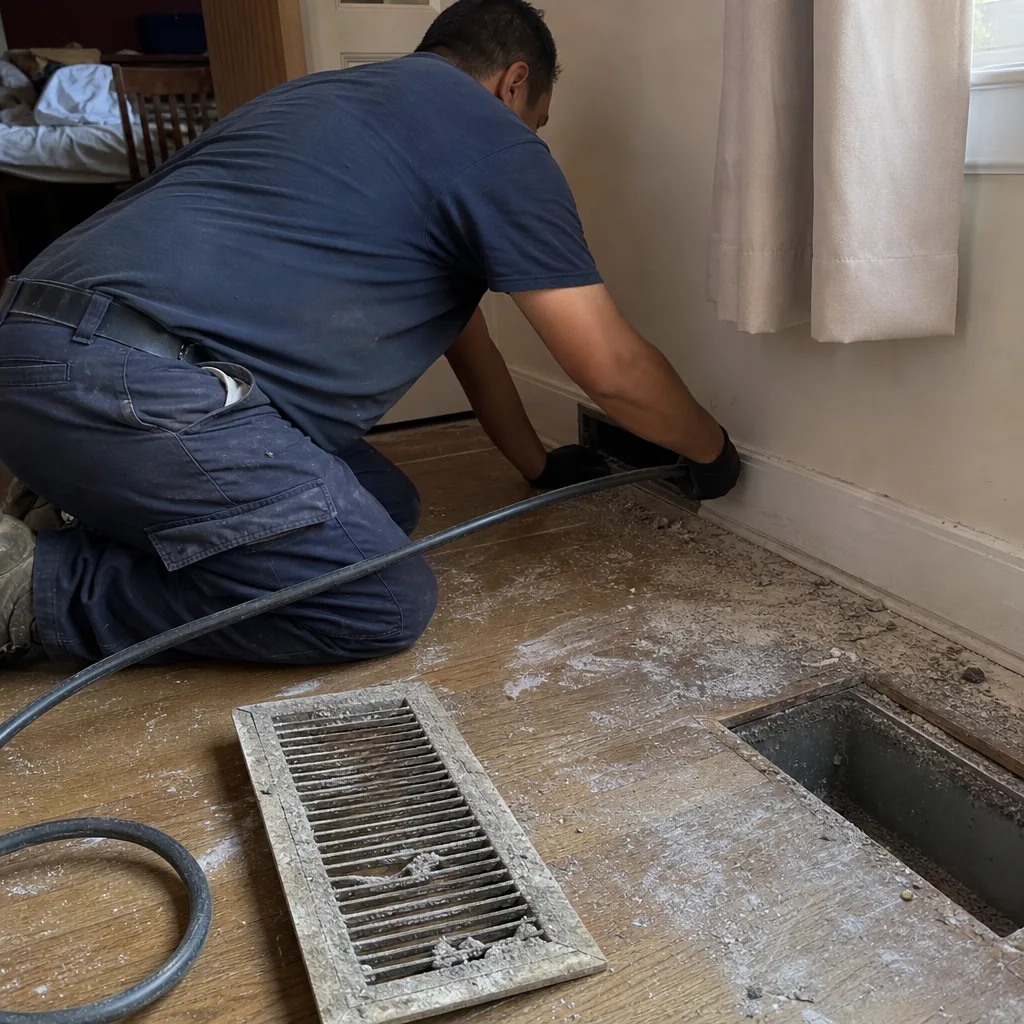 Before
 After
 Before
 After
When to Call a Professional
Most of the time, register cleaning and filter replacement are enough. Call a professional when the evidence points past the surface. Visible dust blowing out of a supply register when the system starts is one signal. Persistent musty odor from any register is another. Recent renovation work in the apartment, a pet in a small space, or a household member with asthma or allergies all push the threshold lower. Visible debris in the return, low airflow at registers that were previously strong, or a system that hasn’t been cleaned in years are all good reasons to get an assessment. Air Duct Cleaning Upper West Side offers free estimates in Upper West Side, and our technicians have up to 9 years of experience. Call (855) 552-7560. We answer 24/7. Fast dispatch from 7am to 7pm, Sunday through Friday.
Frequently Asked Questions
You can clean the grilles, the registers, and the first few inches behind each opening, and you can replace filters. You cannot effectively clean the interior duct runs or the trunk line yourself, because consumer vacuums can’t generate the negative pressure required and can’t reach those sections. For anything past the register, a professional source-removal cleaning is the only method that actually removes the contamination.
Air duct cleaning in Upper West Side typically runs $400 to $750 for a standard apartment or small home system, and $700 to $1,200 for larger or multi-zone systems, priced per system rather than per vent. The written estimate sets the final price. Call (855) 552-7560 for an exact quote. Estimates are free.
A very low quote is usually either a per-vent price that balloons once the technician is on site, or a job that cleans only the visible sections and skips the trunk line and coil. Equipment and scope drive the honest number. Ask what’s included before you compare. Call (855) 552-7560 for a free estimate with a flat price per system.
Ask for before-and-after photos of your own duct interiors, a written report of the runs cleaned and the condition of the coil, and airflow measurements taken before and after the job. A provider should be able to show you what came out, not just describe it. Call (855) 552-7560 for an estimate and ask what documentation the visit includes.
Most homes in Upper West Side don’t need it on a fixed schedule. A reasonable interval depends on the system: pets, recent renovations, allergy or asthma concerns, and age of the ductwork all bring the interval down. Airflow testing and a visual inspection are a better guide than a calendar. Call (855) 552-7560 for a free assessment.
Sometimes yes, especially when the work involves access to shared shafts, roof bulkheads, or mechanical spaces, and always when it may involve opening a wall or ceiling. Ask your managing agent before booking, and tell the provider what they’ll need for access. Call (855) 552-7560 and we can talk through what the visit requires.
The Bottom Line
DIY air duct cleaning has a real but narrow scope: register cleaning, filter replacement, and surface maintenance. It can’t reach the trunk lines, coil surfaces, or interior duct runs where contamination actually accumulates, because consumer equipment can’t generate the negative pressure required and isn’t built for contact cleaning. In Upper West Side pre-war apartments, with concealed trunk lines, retrofitted flex duct, and building rules about equipment access, that gap is bigger than it is in a new house. The honest comparison comes down to capability. A flat price per system, agreed up front, with before-and-after photos and airflow verification, is what tells you the work went past the surface. Call (855) 552-7560 for a free estimate. We answer 24/7. Fast dispatch from 7am to 7pm, Sunday through Friday.
Written by the team at Air Duct Cleaning Upper West Side.