
Last updated November 22, 2026
 Whole-home duct cleaning
 Dryer vent cleaning
 Camera inspection
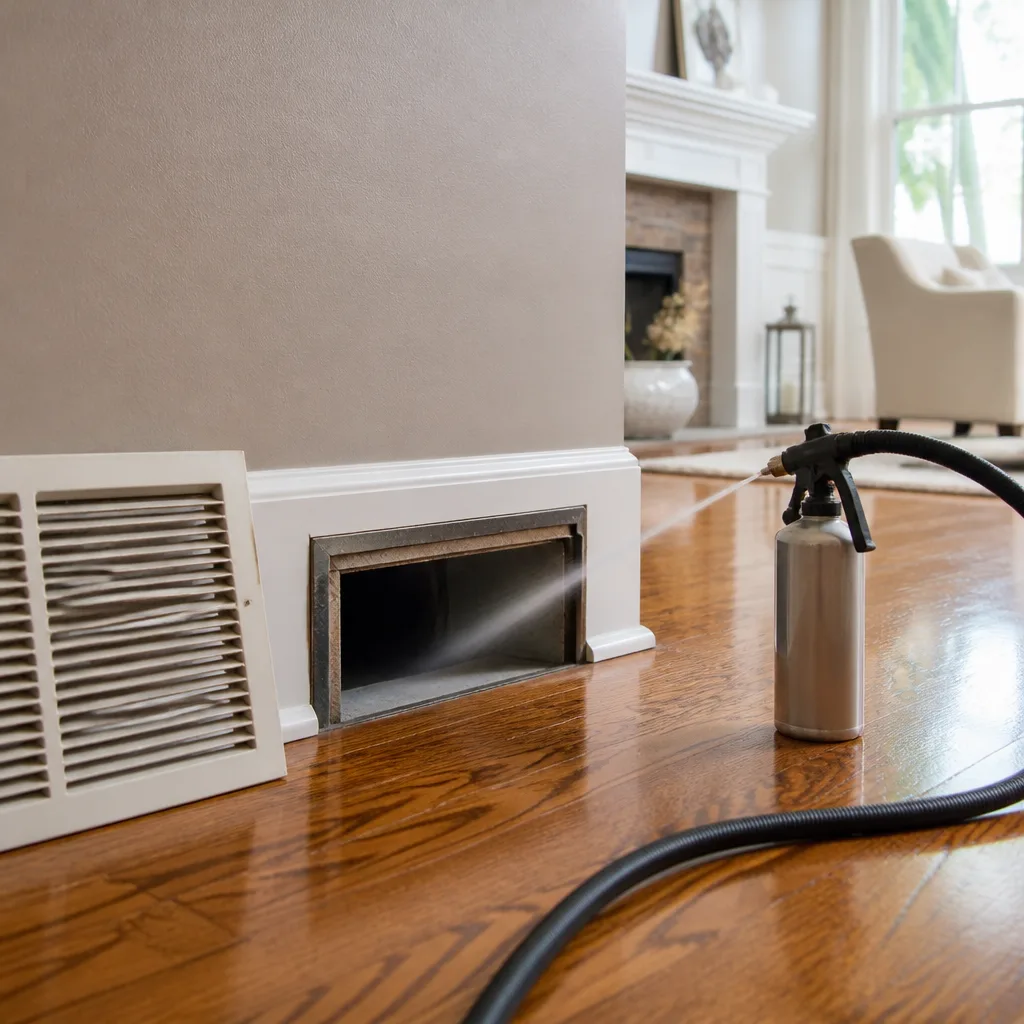 Sanitizing & deodorizing
Whole-system duct and dryer vent check with before-and-after photos - you see exactly what came out of your vents
That "$99 whole-house special" is a bait ad - the real number appears once they are in your hallway, or the "clean" is a shop-vac at the register. We photograph the inside of your ducts before and after instead.
Air Duct Cleaning Permits, Codes & Inspections in Upper West Side, NY: What You Need to Know
If your duct cleaning contractor installs an access door to reach an interior section of your ductwork – something legitimate full-system cleaners often do – that’s a modification subject to NYC mechanical code. Whether your contractor pulls a permit for it is a question worth asking before the work starts, not after. Most Upper West Side homeowners assume duct cleaning is always a maintenance task that needs no paperwork, and for a straight vacuum-and-agitate clean that’s usually true. The line moves the moment someone cuts, seals, patches or alters the air pathway. This guide explains where cleaning ends and regulated work begins in Upper West Side buildings, how co-op and condo board approval layers on top of city rules, and what to check before you sign anything.
Quick Answer
Routine air duct cleaning in Upper West Side, NY generally does not require a permit because it’s maintenance, not construction. The moment a contractor cuts into ductwork, installs a new access panel, seals a breach, replaces interior duct liner or alters any part of the HVAC pathway, NYC Mechanical Code requirements activate and the work may need a permit from the NYC Department of Buildings. In co-ops and condos, board approval is a separate requirement that sits on top of city code and must be in writing before work begins.
Styles & brands we work with
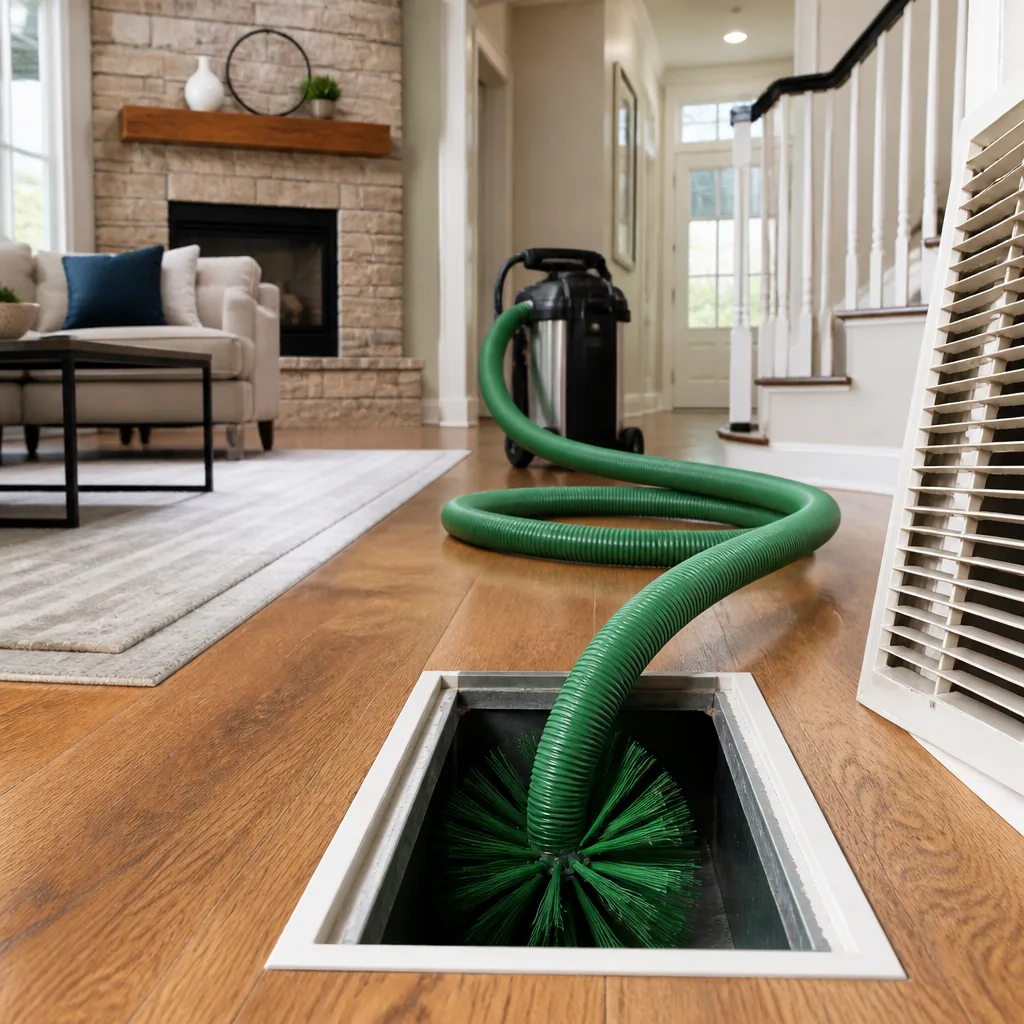
- Whole-home duct cleaning
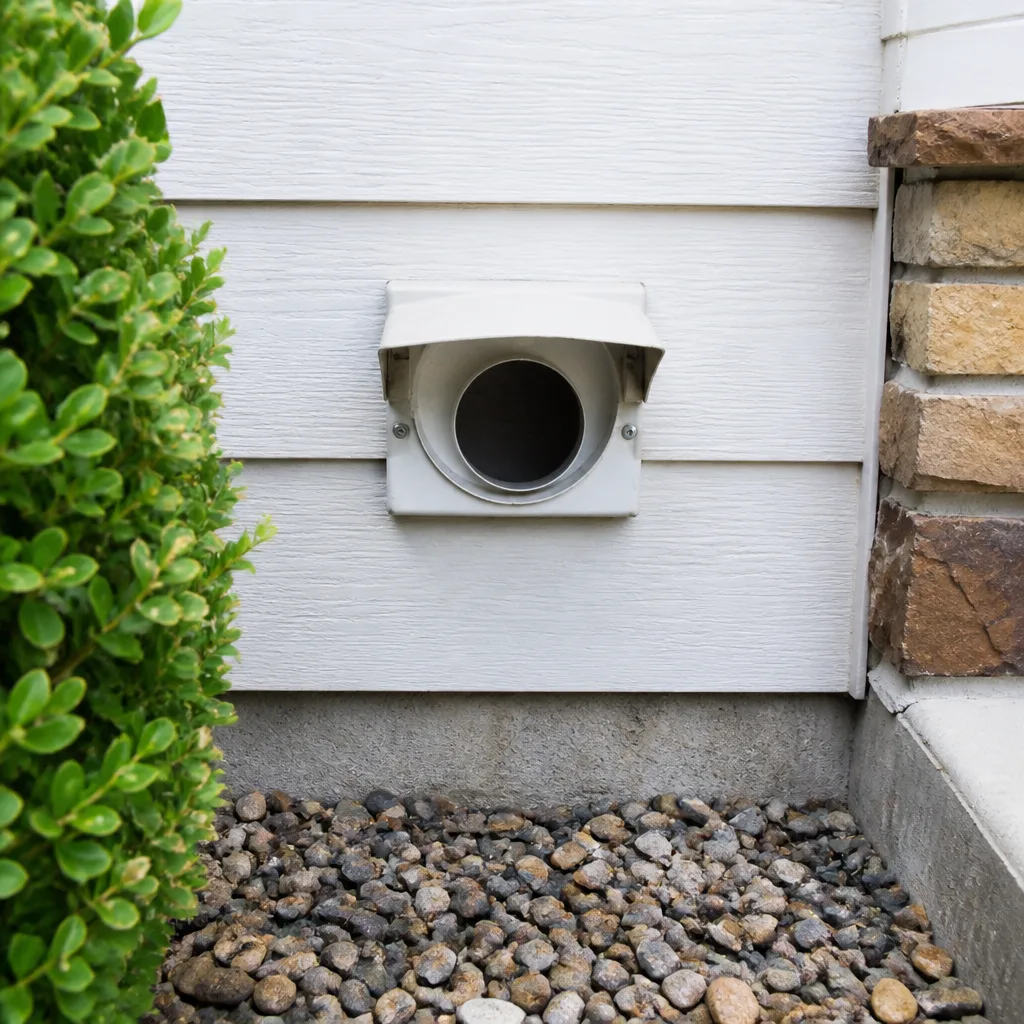
- Dryer vent cleaning
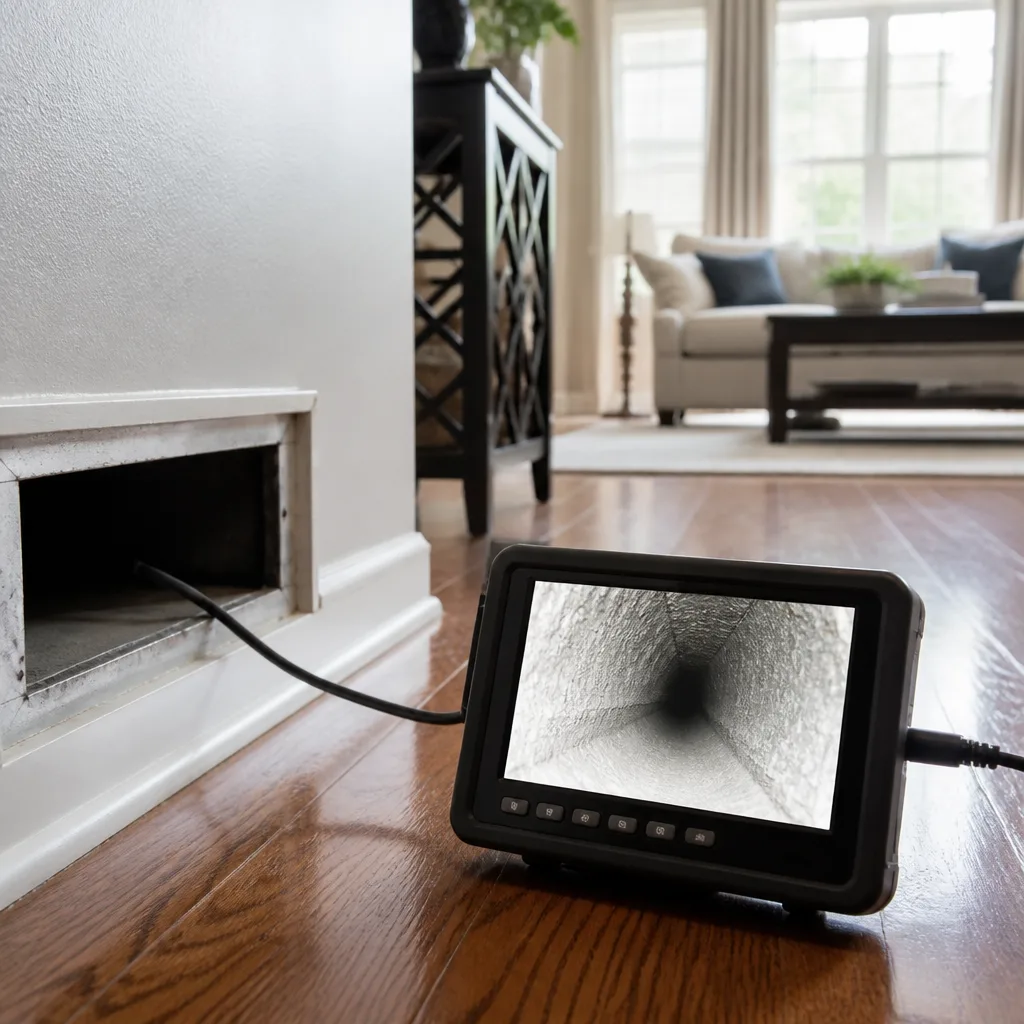
- Camera inspection
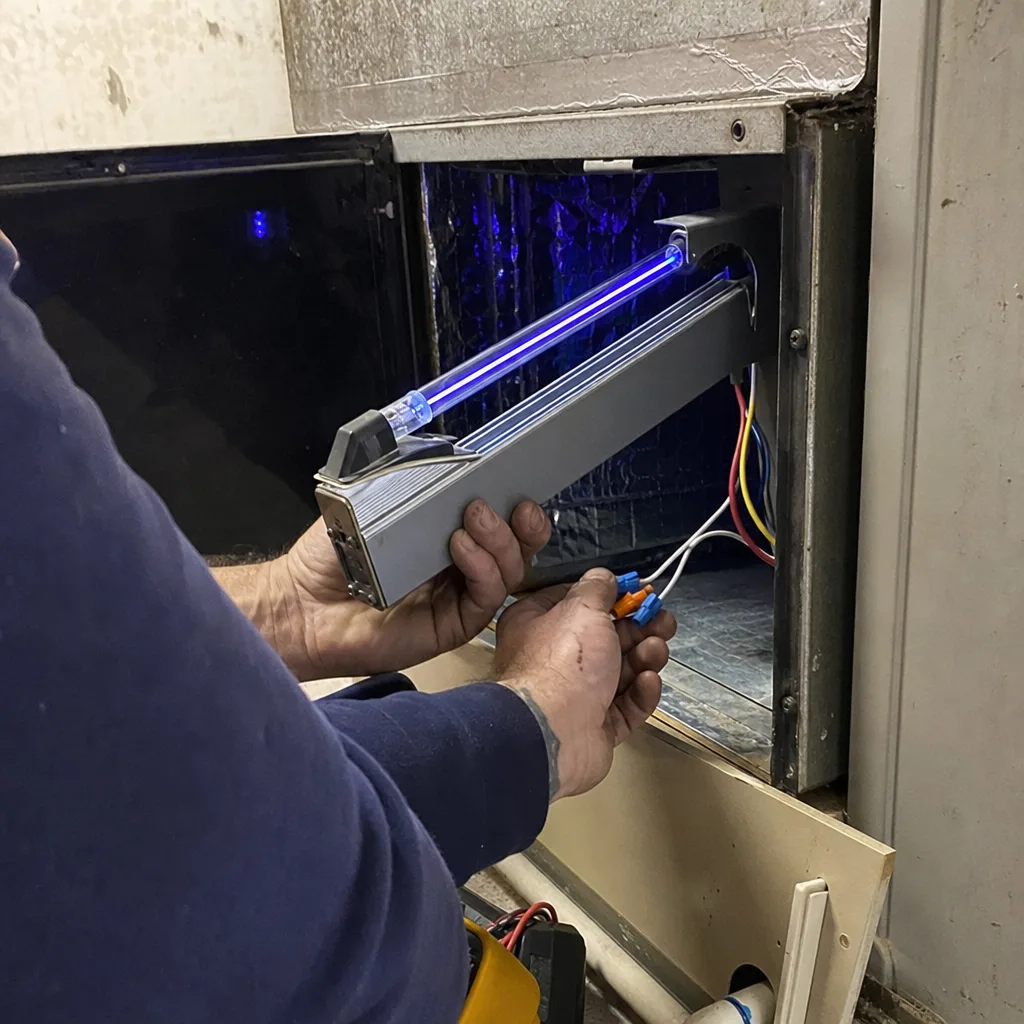
- Sanitizing & deodorizing
Table of Contents
- Cleaning vs. Modification: Where the Line Sits in NYC
- What NYC Mechanical Code Says About Duct Access and Repair
- The Four Work Types That Cross Into Permitted Modification
- Co-op and Condo Board Approval: Why Verbal Isn’t Enough
- How to Verify a Contractor’s Insurance in NYC
- DOB and DEP Jurisdiction in Multi-Unit Buildings
- What an Inspection Actually Checks
- Questions to Ask Before You Book
Cleaning vs. Modification: Where the Line Sits in NYC
Cleaning maintains a system. Modification changes it. That’s the cleanest way to think about the distinction, and it’s the frame NYC code uses even though the code language is denser. A vacuum, brush and agitation clean that removes debris from existing ducts leaves the system’s structure exactly as it was. No permit. No filing. No board approval beyond whatever your building requires for vendor access.
Cut an opening into a duct run to reach a section, screw an access panel over it, seal a joint with mastic or foil tape, or replace deteriorated interior liner – that’s different. You’ve altered the mechanical system. The work now falls under the NYC Mechanical Code, which governs HVAC installation, alteration and repair in the five boroughs. Whether a specific job requires a DOB permit depends on the scope, but the obligation to know the difference sits with the contractor, not the homeowner.
In our experience across Upper West Side buildings, the confusion is common. Brownstones along West End Avenue and prewar co-ops off Central Park West often have long horizontal duct runs buried behind plaster and cabinetry. Reaching them sometimes requires an access opening that didn’t exist before. That opening is a modification. A careful contractor will tell you so before the saw comes out.
If you’re booking a routine service and want to understand what a proper non-permit clean actually involves, our guide to air duct cleaning Upper West Side walks through the process from inspection to final extraction. The point to remember here: the scope of work determines the code obligation, not the name on the invoice.
What NYC Mechanical Code Says About Duct Access and Repair
NYC’s Mechanical Code governs how HVAC systems are installed, altered and repaired. For ductwork specifically, the code addresses materials, sealing, support, clearances and access. In plain terms, the provisions that matter most for Upper West Side homeowners doing duct work fall into a few buckets:
- Access provisions. The code requires that certain duct components – dampers, volume controls, and equipment needing service – remain accessible. That’s often why a contractor proposes installing an access panel. The panel itself is a modification.
- Sealing requirements. Duct joints and connections must be sealed in a way that limits air leakage. Slapping tape over a gap isn’t code-compliant sealing in most applications; approved mastic or listed sealants are.
- Material standards. Duct liner, flexible duct and rigid duct each have material and installation rules. Replacing deteriorated liner means using a product that meets the standard, not whatever’s on hand.
- Clearances. Ducts passing near heat-producing equipment need specific clearances. Any repair that affects those clearances triggers code review.
The code doesn’t say “cleaning needs a permit.” It says alterations and repairs have to comply. That’s why a contractor who knows the difference will pause before cutting. If your ductwork runs through a share wall, a shaft or a plenum in a multi-unit Upper West Side building, the review gets stricter still.
Our technicians have up to 9 years of experience working in this kind of building stock, and the practical read is straightforward: if the work touches the system’s structure, ask about permits. If it’s suction and agitation inside existing ducts, it usually doesn’t.
The Four Work Types That Cross Into Permitted Modification
Most duct jobs in Upper West Side apartments stay in the maintenance lane. Four specific work types push past it. If a contractor proposes any of the following, the conversation about permits, filings and board approval needs to happen before work begins:
- Access panel installation. Cutting a new opening in ductwork or ceiling assembly to reach an interior section. Even a small panel is a structural alteration to the duct run and typically requires code-compliant sealing around the frame.
- Duct sealing. Applying mastic, approved sealant or mechanical fasteners to close leaks at joints, seams or penetrations. Proper sealing follows code standards for materials and technique – and in many cases, the sealing work should be documented.
- Liner replacement. Removing deteriorated interior acoustic or thermal liner and installing new material. The replacement product must meet code, and the installation method matters as much as the product.
- Duct modification or rerouting. Changing the path of a duct run, adding or removing a branch, or resizing a section. This is the clearest permit case: the system’s design has changed.
Notice that three of these are repair work, not cleaning. If a technician finds a breach during a routine clean and offers to fix it on the spot, ask which category the fix falls into. Duct repair and sealing is one of our five core services precisely because it’s a different job with different obligations than cleaning. Our HVAC cleaning page covers how a full-system service handles the maintenance side of this split.
Co-op and Condo Board Approval: Why Verbal Isn’t Enough
City code is only half the paperwork picture in Upper West Side buildings. Co-op boards and condo associations almost always layer their own approval process on top. A verbal green light from the building manager is not approval. Neither is an email from one board member. When something goes wrong – a damaged duct, a neighbor complaint, a failed inspection – the board will ask for written authorization, and “the super said it was fine” won’t hold up.
What written approval typically looks like in an Upper West Side co-op or condo:
- Alteration agreement signed by the shareholder or unit owner, listing the scope of work and the contractor.
- Certificate of insurance from the contractor naming the building’s managing agent or board as additional insured.
- Work schedule approval if the job runs across more than a day or involves shared spaces.
- Permit copy if the scope requires one from the DOB, submitted to the managing agent before work starts.
Property managers on the Upper West Side who handle multiple buildings will often have a standard vendor packet. Ask for it early. Getting the paperwork in place before a crew arrives is faster than retrofitting approval after a duct run has been cut. And if the board asks whether the work needs a permit, your contractor should be able to answer in one sentence – if they can’t, that’s a signal.
How to Verify a Contractor’s Insurance in NYC
New York doesn’t require duct cleaning contractors to carry a specific license the way it requires electricians or plumbers to be licensed. That makes insurance verification the single most important check you can do before booking, because the paperwork trail is your main protection. A legitimate contractor should carry general liability insurance and, if they have employees, workers’ compensation coverage.
How to verify, step by step:
- Ask for a certificate of insurance (COI) before you book, not on the day of service. The COI should list the insured entity name, policy effective dates, coverage types and limits.
- Call the insurer directly. The phone number is on the certificate. Ask if the policy is active and whether the coverage matches what you were told.
- Check the additional insured requirement. If you live in a co-op or condo, your board will likely require the building entity to be named as additional insured. Confirm the contractor can do this.
- Match the entity name. The name on the COI must match the name on your contract or invoice. A mismatch is a red flag.
- Keep a copy. Save the COI with your building’s vendor file and your own records.
In Upper West Side co-ops, the managing agent often has stricter requirements than the minimum. Some buildings require a specific liability limit before they’ll allow a contractor through the door. Find out what yours requires before the contractor arrives. For broader context on evaluating a cleaner, our air duct cleaning service page explains the equipment and process we bring to a job.
DOB and DEP Jurisdiction in Multi-Unit Buildings
Upper West Side has more prewar multi-unit buildings per block than most of the city, which means two agencies can have eyes on the same project. The NYC Department of Buildings (DOB) handles construction code, including mechanical work and permits. The NYC Department of Environmental Protection (DEP) handles air quality regulations, including rules related to asbestos and certain airborne contaminants during renovation and demolition.
Where they overlap: a duct modification or repair that disturbs building materials in a prewar building may trigger DEP oversight if asbestos-containing materials could be present. DOB permits for the work don’t substitute for DEP compliance. If a contractor proposes cutting into ductwork in a building constructed before the city’s asbestos rules took effect, the material question has to be answered before the first cut.
Practically, this matters most when a repair requires opening a wall or ceiling chase in a prewar Upper West Side building. A cleaning job that stays inside existing ducts usually doesn’t disturb these materials. A modification that requires cutting into surrounding assemblies might. Ask your contractor and your building’s managing agent how they handle the material question. Both should have a clear answer, and neither should dismiss it.
If you’re managing a whole building’s HVAC cleaning schedule, our HVAC cleaning service page may be a better starting point than this guide.
What an Inspection Actually Checks
Duct cleaning isn’t typically subject to a formal DOB inspection the way a new HVAC installation is. But inspections do come up, and knowing what they look for is useful whether you’re a homeowner, renter or property manager. Two kinds of inspection matter in an Upper West Side building:
DOB inspection following permitted work. If a permit was pulled for duct modification, sealing or liner replacement, a DOB inspector may verify that the work matches the filed scope and meets mechanical code. The inspection usually happens after the work is complete, and a failed inspection can require rework. This is why the filed scope matters – if the work performed differs from what was filed, expect friction.
Building or board inspection for co-op and condo compliance. Managing agents and boards sometimes inspect after alterations to confirm the unit was returned to the state the alteration agreement described. A contractor who leaves duct openings unfinished or unsealed will fail this step, and the unit owner is on the hook for the fix.
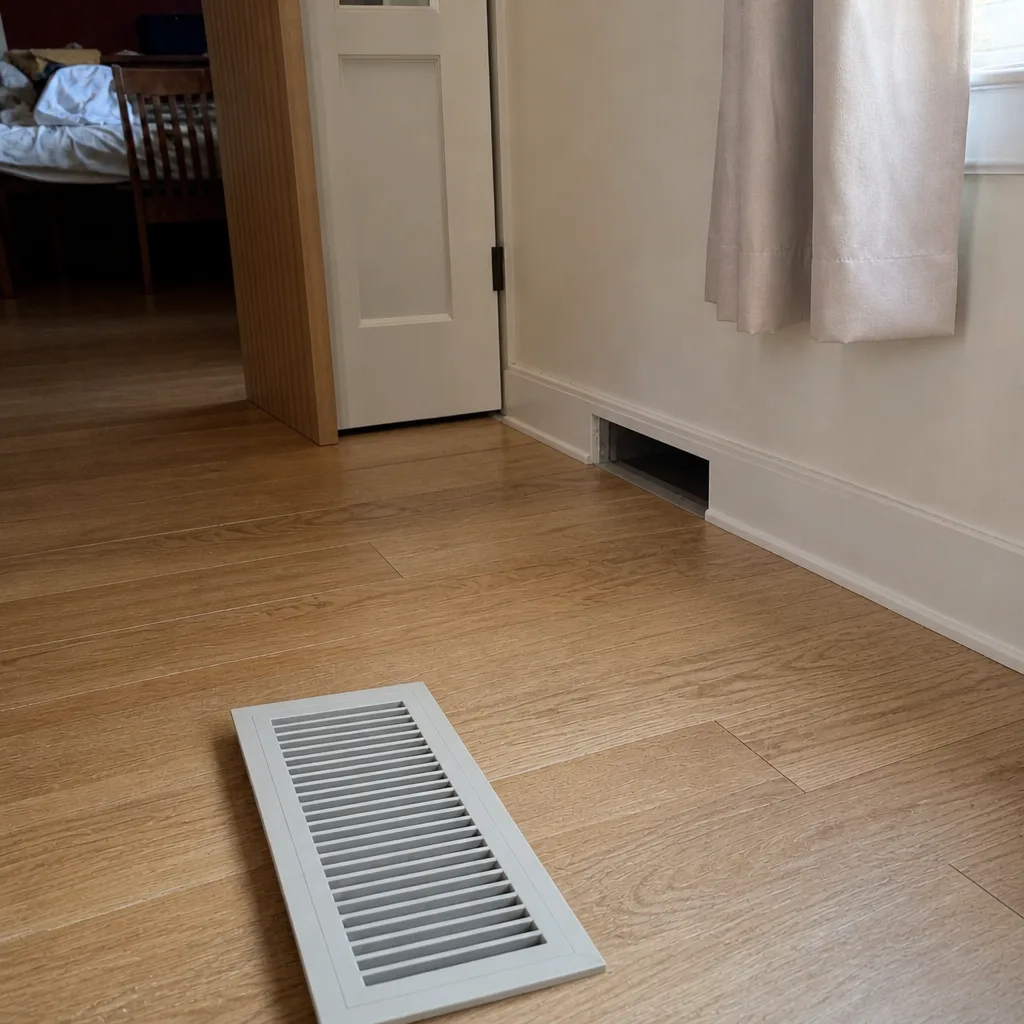
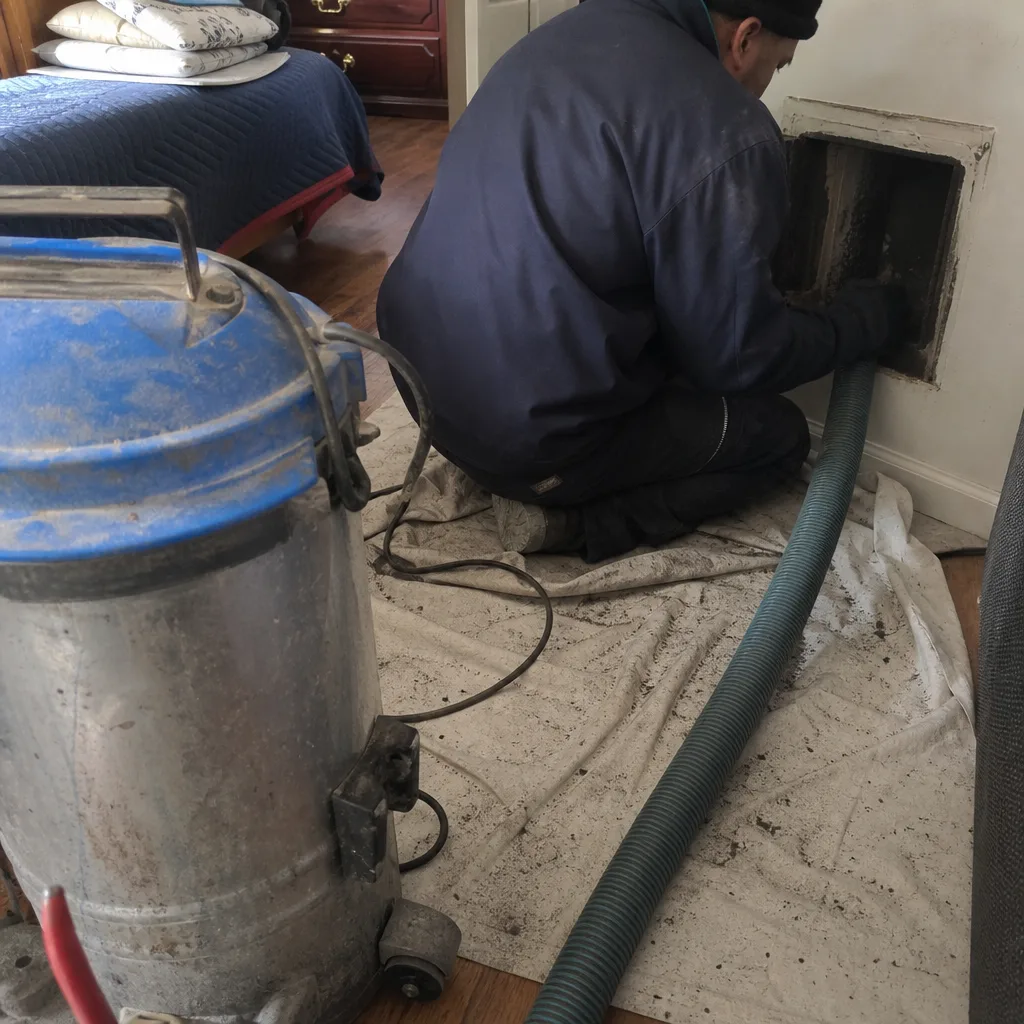
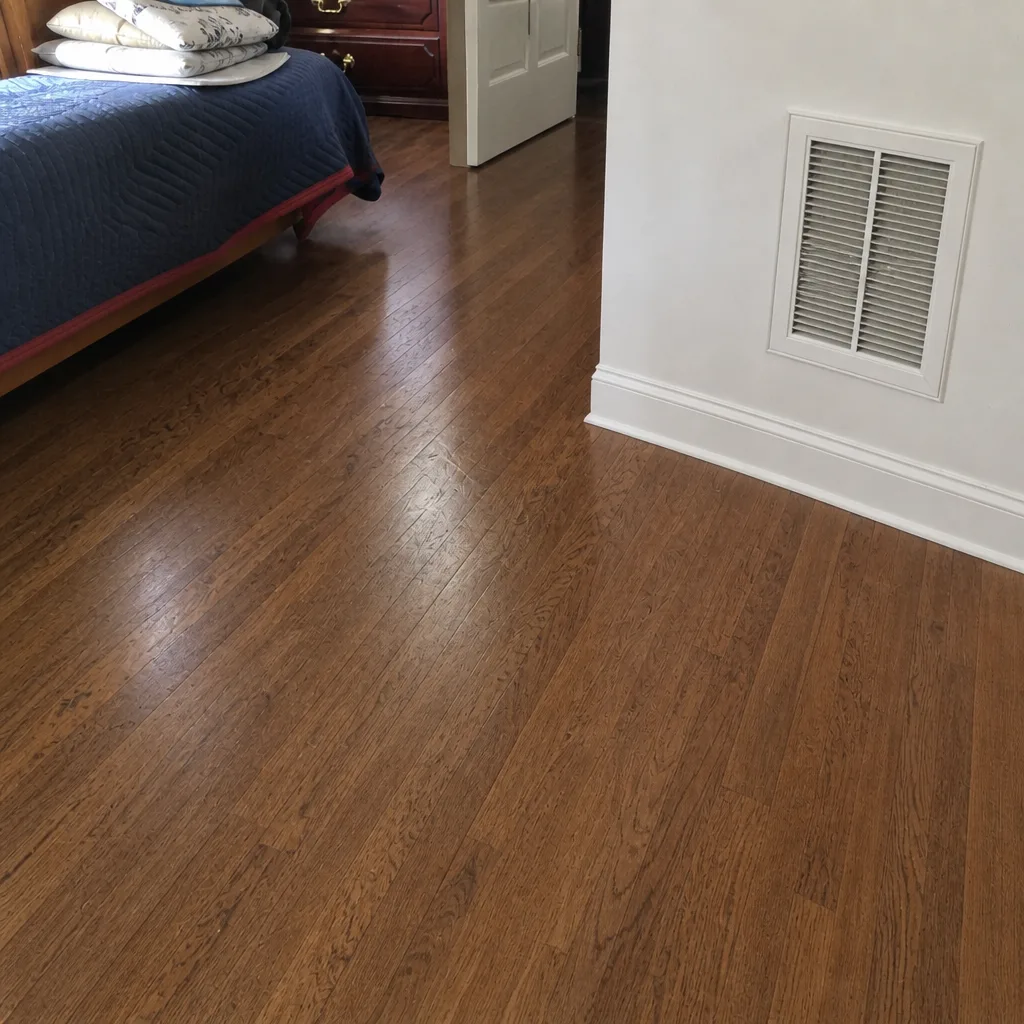
In our experience, the cleanest path through either inspection is documentation. Before-and-after photos of the ductwork, a written scope of work, and a copy of any filed permit are the three things that make an inspection uneventful. Ask any contractor you hire whether they photograph the ducts before and after. If they don’t, ask why.
Questions to Ask Before You Book
A handful of questions, asked before booking, will separate a contractor who knows the code from one who doesn’t. Here’s the short list:
- Does this scope involve cutting into ductwork or installing an access panel? If yes, ask whether a permit is required and who files it.
- Is the sealing material code-compliant for this application? A good answer names the product category, not “we use tape.”
- Will you photograph the ducts before and after? The proof matters, especially if a board inspection could follow.
- Can you provide a certificate of insurance that names my building as additional insured? This should be routine for a legitimate contractor.
- What’s the flat price for the system, in writing? A written estimate that sets one price per system is the standard. Per-vent pricing and coupon teasers are the warning signs.
- Are you equipped to handle duct repair and sealing if you find a breach? A cleaner that only vacuums will hand off the repair to someone else – or skip it. Our dryer vent cleaning service is offered separately because vent clearing is a distinct safety job, not a duct cleaning add-on.
If a contractor can’t answer these six questions in plain language, that’s your answer. The good ones can.
Common Mistakes to Avoid
- Accepting verbal board approval. A super’s nod is not board authorization. Get written approval and a signed alteration agreement in an Upper West Side co-op or condo before the crew arrives – sometimes board approval takes longer than the work does.
- Skipping the COI. Contractors without insurance can be cheaper, right up until there’s a problem. Then the cost of a repair falls on you or your building. Verify coverage before booking.
- Assuming cleaning is always no-permit. It usually is, but the moment a contractor proposes an access panel or a duct repair, the question needs asking. Assume nothing.
- Paying per vent. Per-vent pricing invites upsells and inflates the final bill. One flat price per system, agreed in writing, is the standard that keeps trust intact.
- Booking a cleaner who doesn’t handle repairs. A blow-and-go crew that finds a breach has no way to close it. You’ll be booking a second contractor and paying twice.
- Overlooking the DEP angle in a prewar building. If the work disturbs building materials, the material question matters before the work starts. Ask your contractor and managing agent, and don’t accept a shrug.
- Forgetting the before-and-after photos. Without them, you have no proof the work was done. This becomes a real problem if a board inspection follows or a future buyer asks for the file.
See the difference
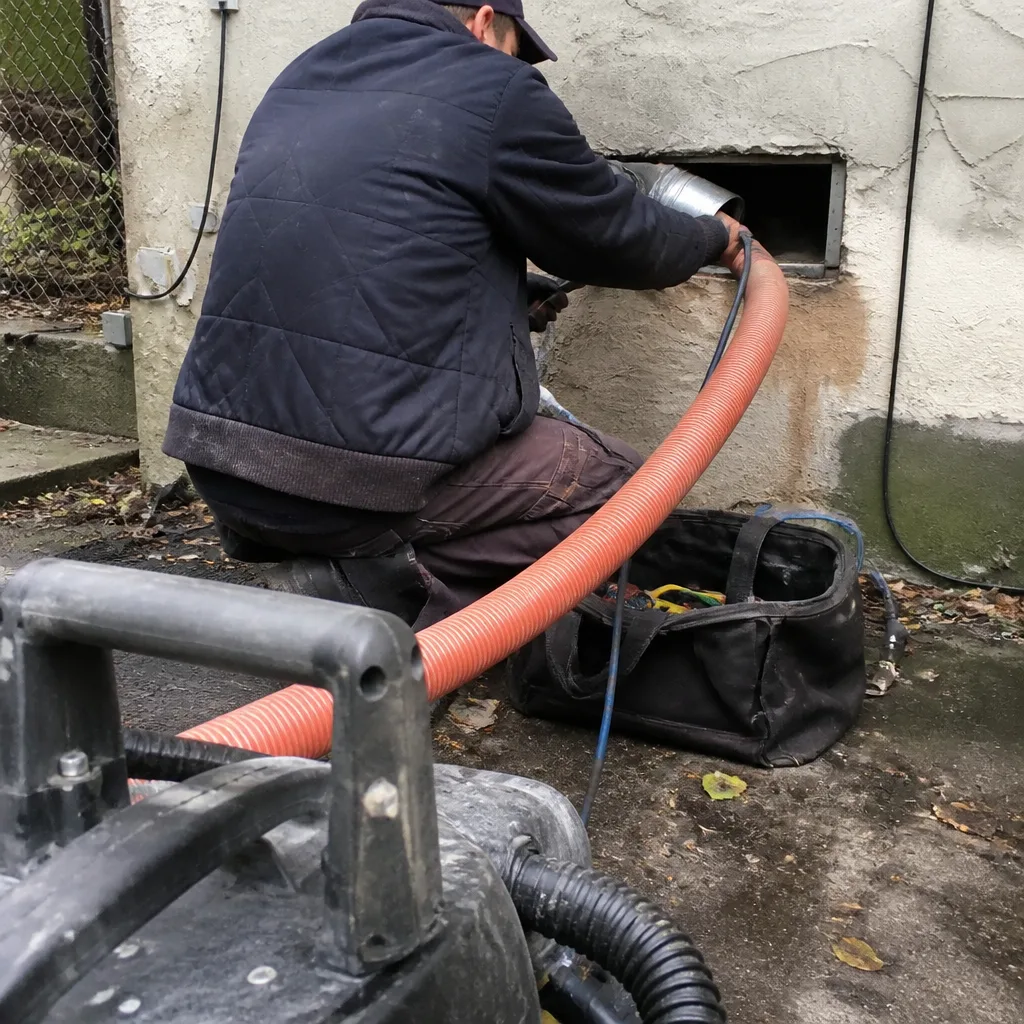 Before
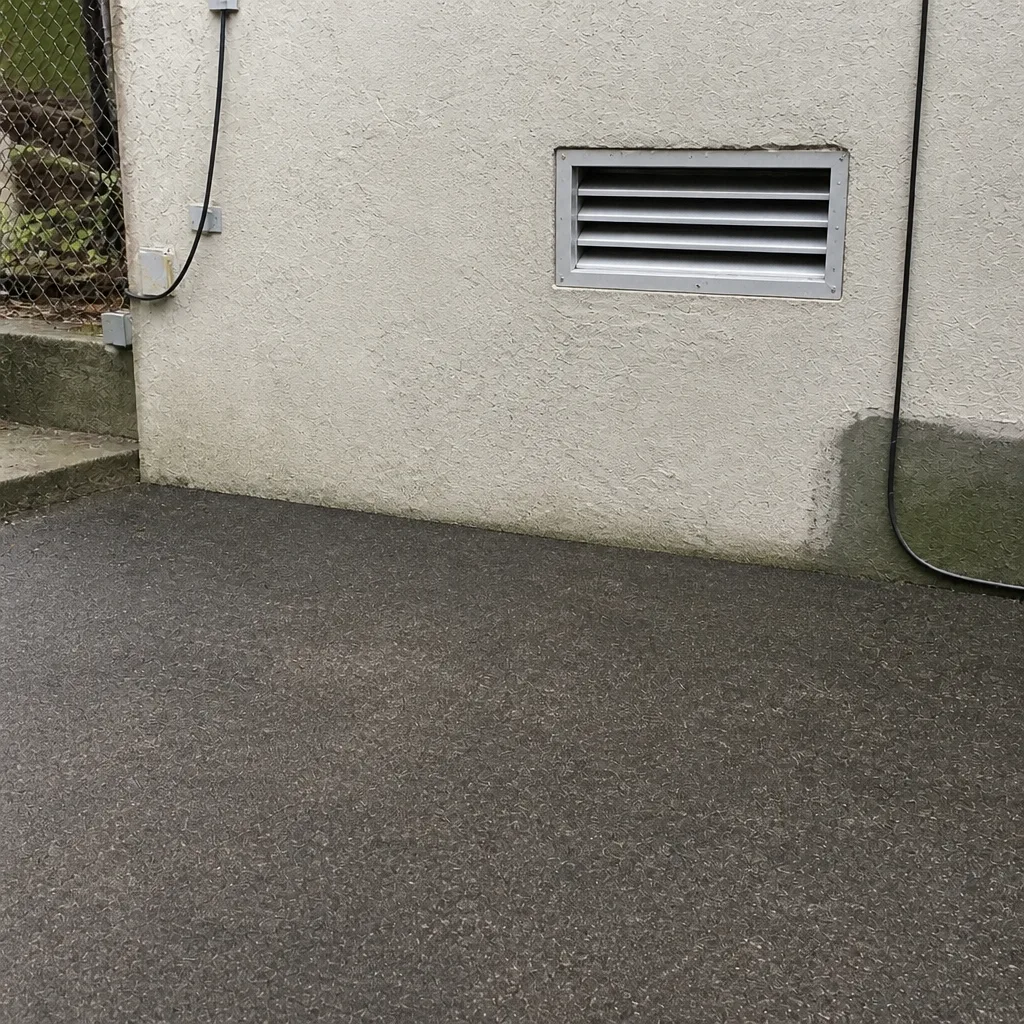 After
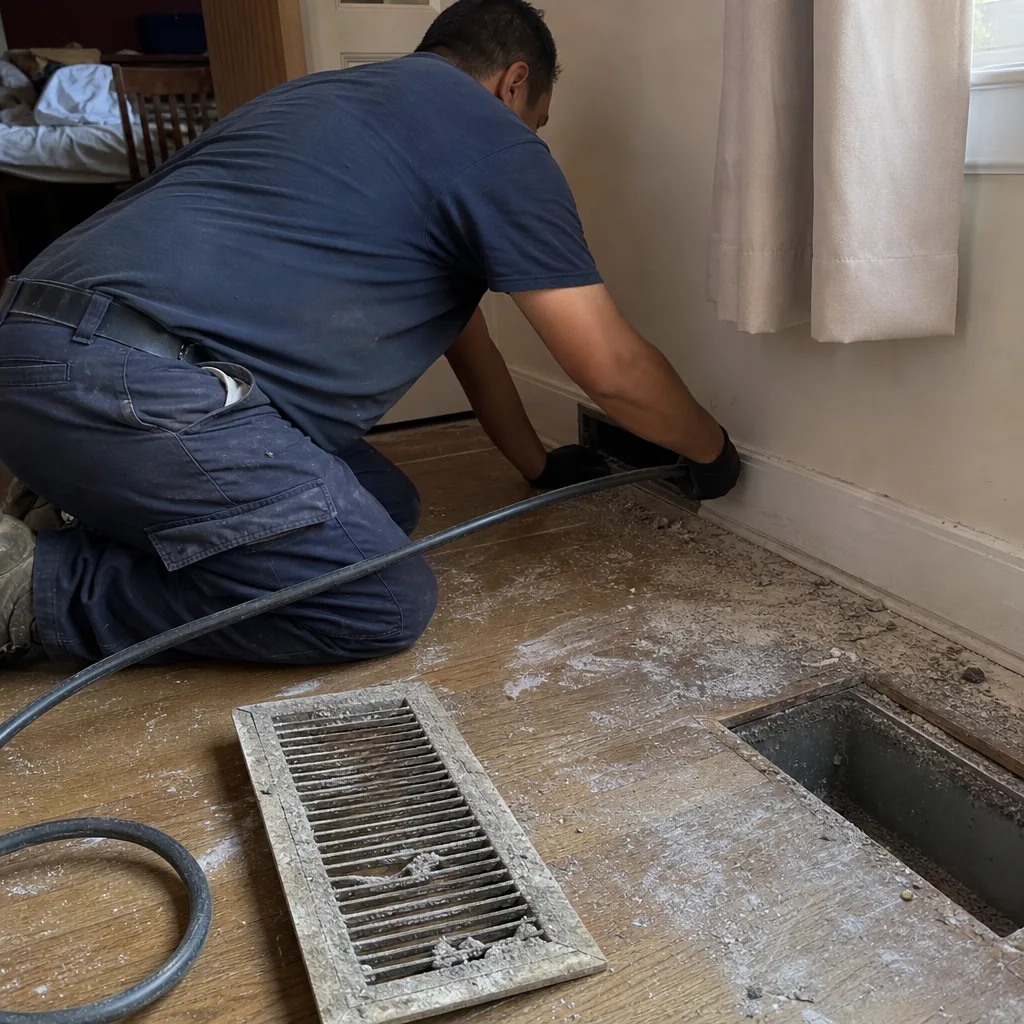 Before
 After
 Before
 After
When to Call a Professional
Book a professional when the work touches the air pathway beyond cleaning – a breach, a liner tear, a duct that’s separated at a joint, or a system that hasn’t been serviced in years and needs a full inspection. Book one also when the paperwork matters: a co-op alteration, a rental property managed on behalf of an owner, or any building where the board expects a paper trail. And book one immediately if a contractor offers to cut ductwork without discussing permits, or if you can’t get a straight answer about insurance. Air Duct Cleaning Upper West Side offers free estimates in Upper West Side – call (855) 552-7560.
Frequently Asked Questions
Routine air duct cleaning does not require a permit in Upper West Side, NY, because it’s maintenance rather than construction. Cutting a new access panel, sealing a breach, replacing interior liner or modifying ductwork pushes the job into NYC Mechanical Code territory, which may require a DOB permit. Call (855) 552-7560 for an exact quote – estimates are free.
Cleaning removes debris from existing ducts without changing the system’s structure or layout. Modification alters the air pathway – cutting openings, installing access panels, sealing joints or changing duct runs – and falls under NYC Mechanical Code. If your contractor proposes cutting, ask about permits before the saw comes out.
Yes, almost always. Co-op and condo boards on the Upper West Side require written approval in addition to any city permit, and that approval usually takes the form of an alteration agreement plus a certificate of insurance naming the building as additional insured. Verbal approval from a super or a single board member is not sufficient.
Typical whole-system duct cleaning in the Upper West Side runs in the mid-hundreds to low four-figures depending on the number of runs, access difficulty and whether repair work is included. We don’t quote per vent, and we don’t quote teaser prices. The written estimate sets the final price. Call (855) 552-7560 for a free estimate.
Very low prices usually mean a limited scope – surface vacuuming of the closest registers, no interior agitation, no sealing of breaches, no photos. The final invoice often grows once the crew is on site. Ask what the low quote actually covers, and ask for before-and-after photos as a condition of the job. Call (855) 552-7560 for a written scope.
Before-and-after photos of the ductwork are the proof. A legitimate contractor photographs the interiors before starting and again once clean. Ask for this in writing before booking. Our technicians have up to 9 years of experience working in Upper West Side buildings and document every job.
The Bottom Line
In Upper West Side, NY, routine duct cleaning is a no-permit maintenance job. Cutting into ductwork, installing an access panel, sealing a breach or replacing interior liner is different – that work falls under NYC Mechanical Code and may require a DOB permit, and in a co-op or condo it also needs written board approval. The three parts of the job that matter most are knowing which side of that line you’re on, verifying that the contractor’s insurance actually covers the work, and keeping before-and-after photos on file. If you’re managing a multi-unit building, ask about the DEP angle in prewar construction. If any part of that is uncertain, call a professional who can walk you through it.
We use Rotobrush contact-cleaning systems and Nikro commercial vacuums so that debris is extracted, not recirculated. Sanitizing work uses Abatement Technologies air scrubbers and Guardsman-grade protective treatments – the same class of equipment used in remediation work, applied to residential and commercial air quality. Compatibility with Honeywell and Aprilaire controls matters in Upper West Side buildings where those systems are already installed.
Call (855) 552-7560 for a free estimate. We answer 24/7. Fast dispatch from 7am to 7pm, Sunday through Friday.
Written by the team at Air Duct Cleaning Upper West Side.