
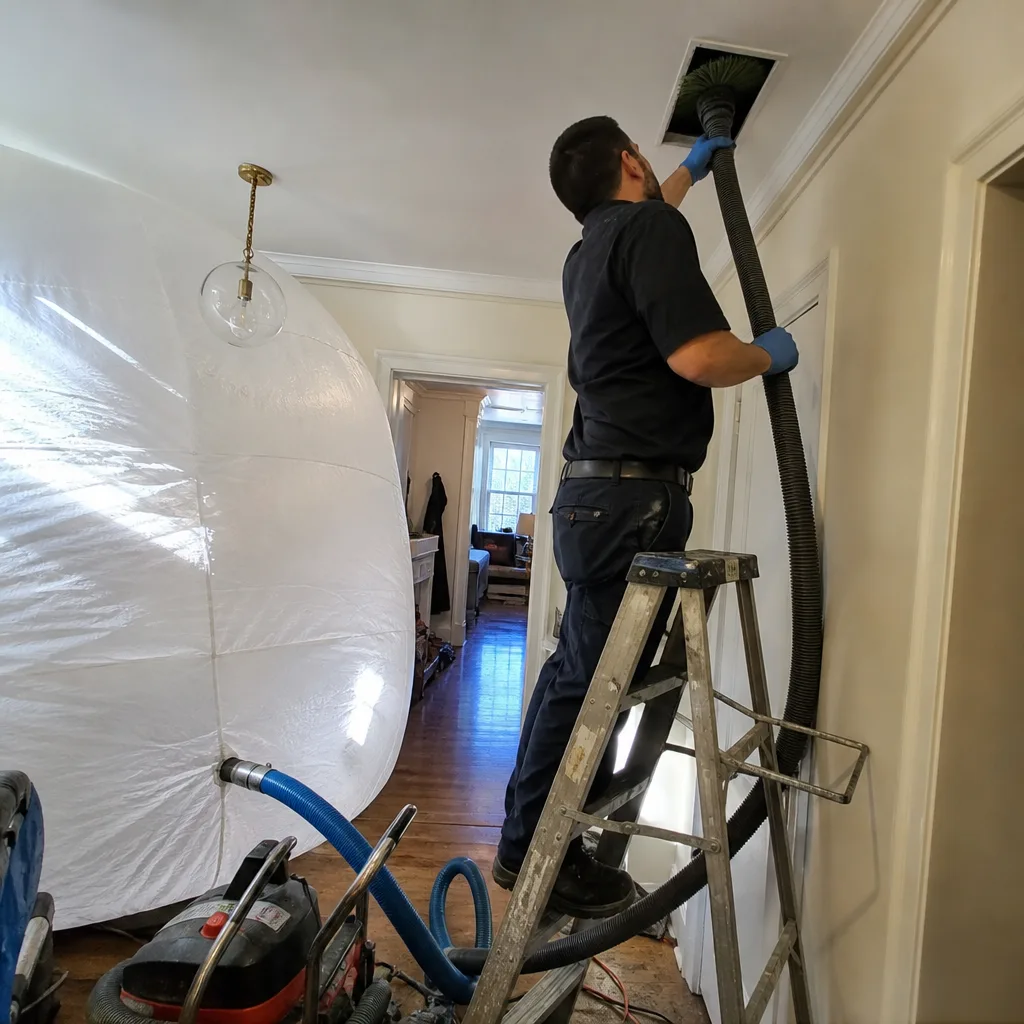
Last updated November 22, 2026
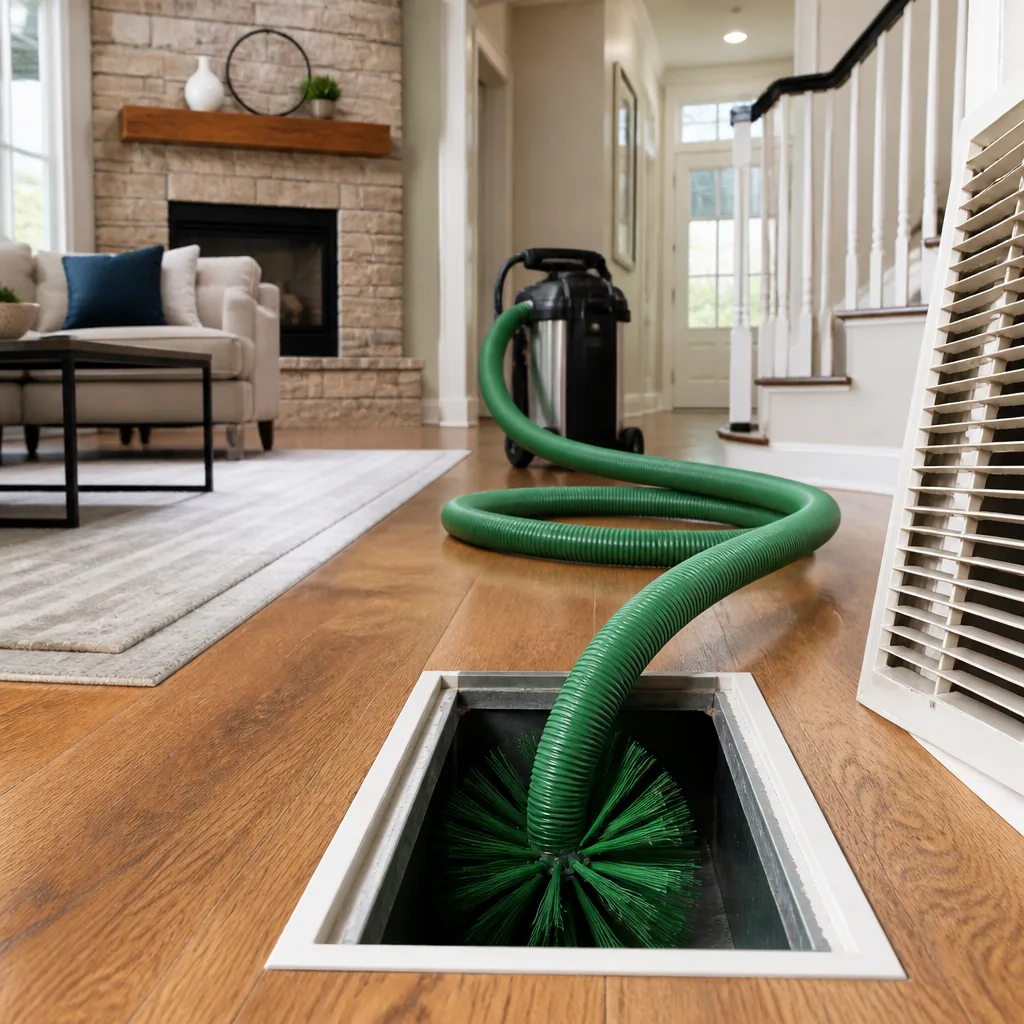 Whole-home duct cleaning
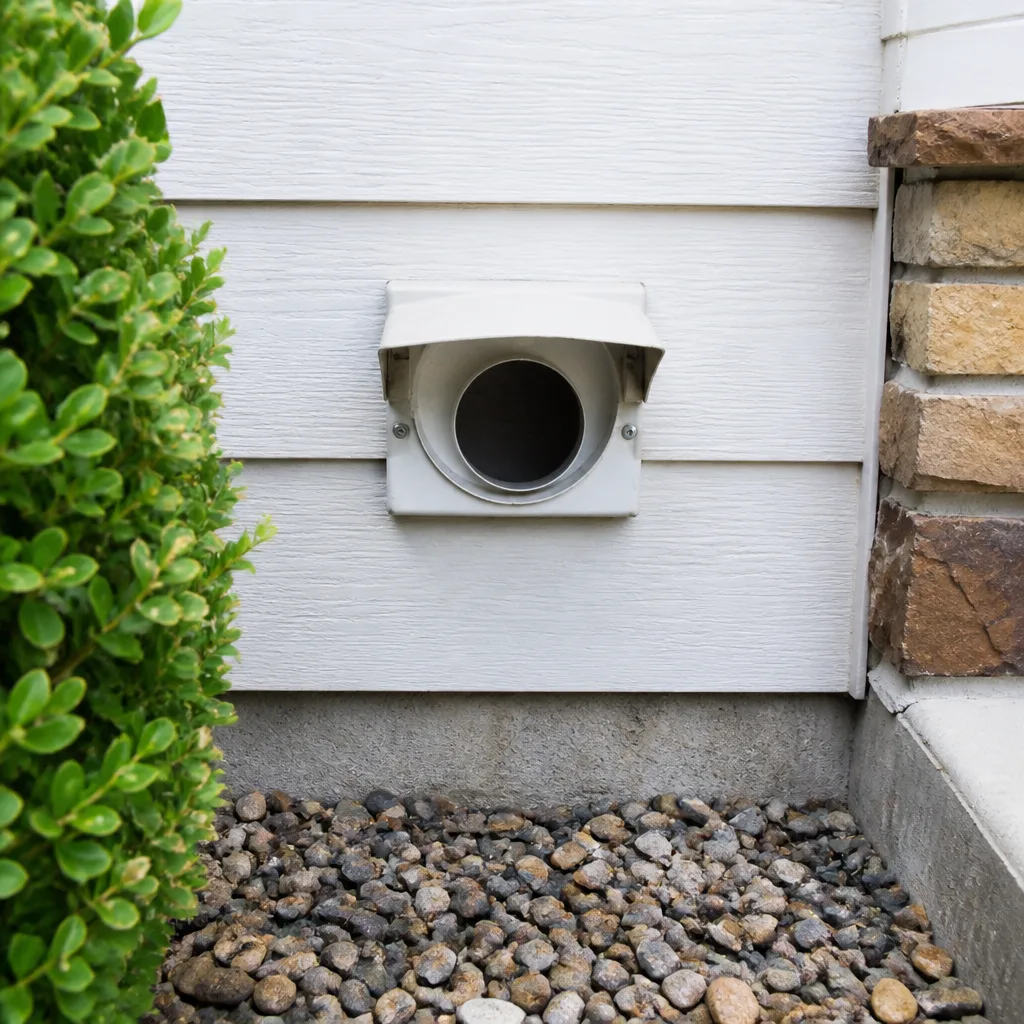 Dryer vent cleaning
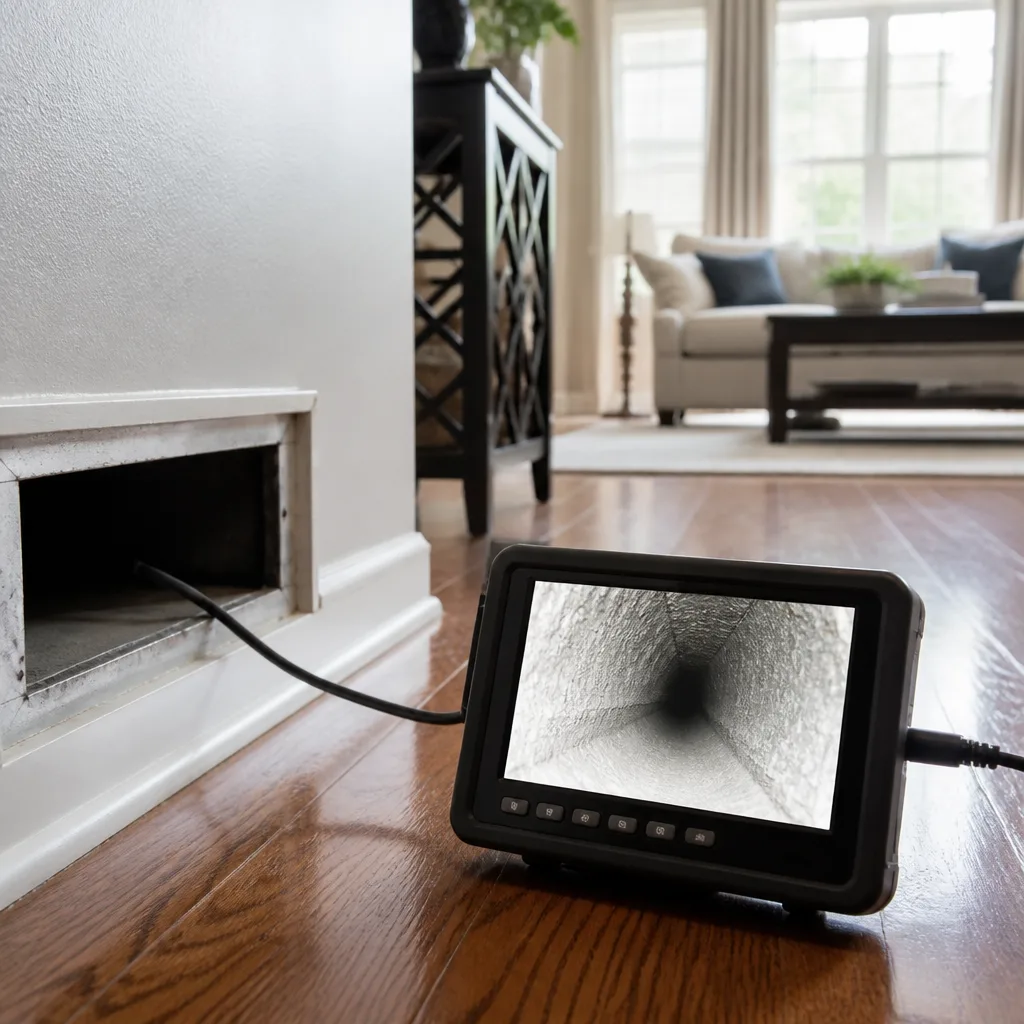 Camera inspection
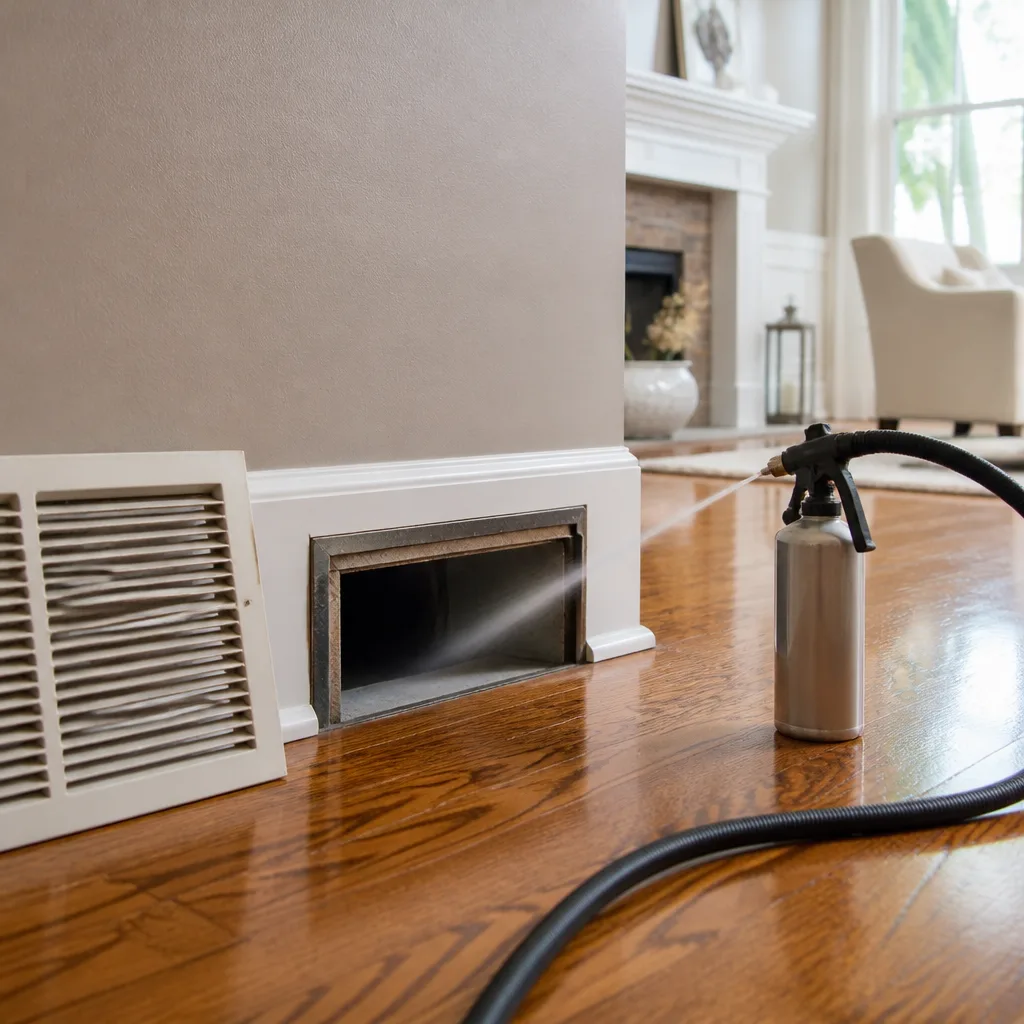 Sanitizing & deodorizing
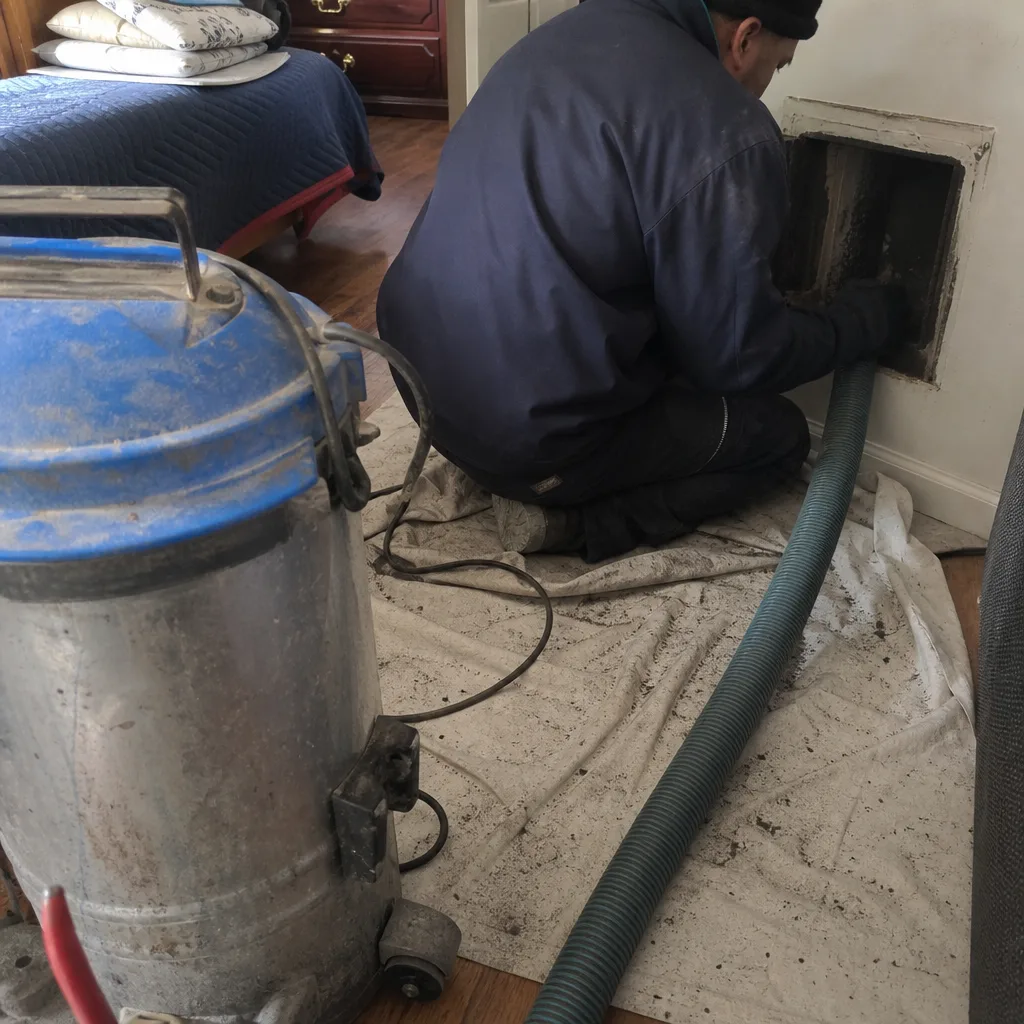
Whole-system duct and dryer vent check with before-and-after photos - you see exactly what came out of your vents
That "$99 whole-house special" is a bait ad - the real number appears once they are in your hallway, or the "clean" is a shop-vac at the register. We photograph the inside of your ducts before and after instead.
Air Duct Cleaning Maintenance Checklist for Upper West Side Homeowners
Changing your filter on a schedule feels responsible. But if your return grille doesn’t sit flush against the wall, a common situation in retrofitted Upper West Side apartments, unfiltered air slips past the filter entirely and loads your ducts no matter how faithfully you swap it out. That gap is the difference between maintenance that works and maintenance that just feels like it does. This guide gives you a monitoring checklist tied to real contamination triggers: seasonal humidity swings, building-wide steam heat, window AC units, and the specific weak points of prewar construction on the Upper West Side. You’ll learn what to check monthly, seasonally, and annually, and how to read the early warning signs before they turn into a full duct cleaning.
Quick Answer
A workable air duct maintenance routine for an Upper West Side home combines three rhythms: a monthly visual check of filters, grilles, and registers; a seasonal check tied to heating and cooling transitions; and an annual professional inspection of the full air pathway. The point isn’t the calendar, it’s watching the indicators (bypass gaps, humidity, dust patterns, odor onset) that tell you contamination is building. Log what you see so you know when cleaning is actually due, not just when a coupon arrives in the mail.
Styles & brands we work with
- Whole-home duct cleaning
- Dryer vent cleaning
- Camera inspection
- Sanitizing & deodorizing
Table of Contents
- Why Upper West Side Apartments Need Their Own Checklist
- The Monthly Check: Five Minutes, Five Indicators
- Inspecting Return Grilles for Bypass Gaps
- The Seasonal Checklist: Heating and Cooling Transitions
- Humidity Benchmarks to Watch Year-Round
- Keeping a Performance Log: Your Early Warning System
- Co-op and Condo Coordination Checklist
- The Annual Professional Inspection
Why Upper West Side Apartments Need Their Own Checklist
Generic duct maintenance advice assumes a suburban house with a sealed duct system, a single furnace, and a filter you can reach without moving a sofa. Upper West Side housing rarely matches that picture. Prewar co-ops and condos were built long before forced-air cooling was standard, so ducts in many apartments were retrofitted later, routed through closets, soffits, and dropped ceilings. That retrofit history creates weak points: gaps at the wall penetration, mismatched grille sizes, and returns that never got a proper sealed boot.
Then there’s the heat. Steam and hot-water radiator buildings dominate large stretches of the Upper West Side, and many apartments combine radiators for heat with window air conditioning units for cooling. That means the air pathway isn’t one unified system. It’s a patchwork, and each piece has its own contamination risk. A window AC unit pulls outdoor air and whatever rides with it across the filter and into the room; an old return duct running through a closet can quietly collect dust for years because nobody thinks to look.
Add the density of the neighborhood itself. West End Avenue, Amsterdam Avenue, Riverside Drive, and the side streets off Broadway all sit in a busy urban corridor where street dust, construction debris from ongoing building work, and pollen seasons all load the outdoor air that finds its way in. None of this means your ducts are a disaster. It means a checklist built for this specific housing stock beats one copied from a national website. Our technicians have up to 9 years of experience working in exactly this kind of building, and the monitoring approach below reflects what actually matters here.
The Monthly Check: Five Minutes, Five Indicators
A monthly inspection doesn’t require equipment. It requires consistency. Set a reminder, walk the apartment, and check the same five things each time. The goal is to spot change, not perfection.
- Filter condition and fit. Look at the filter, but also look around it. A filter that’s clean but sitting loose in its slot is doing far less than you think. Check that it sits flush on all four edges.
- Return grille contact. Press gently on the return grille. Does it flex away from the wall or ceiling? Any visible gap is a bypass point where unfiltered air gets pulled in.
- Supply register dust pattern. Run a finger along the inside of a supply register. A light, even film is normal. Streaks or clumps in one corner point to a leak or a duct that’s shedding debris.
- Airflow feel. Hold your hand a few inches from a register. Compare it to what you remember last month. A noticeable drop in force is one of the earliest signs of a restriction.
- Odor. Stand near a return with the system running. Musty, dusty, or sour smells are a signal worth writing down, not spraying over.
Write each result down, even if it’s “no change.” A short note on your phone works fine. The pattern matters more than any single reading, and the log is what tells you when to schedule a professional visit instead of guessing. If you want the deeper context on what a full cleaning involves, our guide to air duct cleaning walks through the process step by step.
Inspecting Return Grilles for Bypass Gaps
This is the check most Upper West Side homeowners skip, and it’s the one that matters most in retrofitted apartments. A return grille is the intake that pulls room air back into the system to be filtered and reconditioned. If the grille doesn’t seal against the wall or ceiling, the system doesn’t just pull air through the grille. It also pulls air through the gap, past the filter, and straight into the ductwork. That unfiltered air carries dust, pet hair, and whatever else is floating in the room.
Here’s how to inspect a return grille without disassembling anything:
- Turn the system fan on so air is moving.
- Hold a thin strip of tissue or a piece of light paper near the edge of the grille frame.
- Watch for the strip being pulled toward the wall seam or the gap between frame and drywall. That pull is air bypassing the filter.
- Check all four edges, not just the most visible one.
- Note which grilles show pull. Those are your candidates for sealing.
If you find gaps, don’t reach for duct tape and caulk yet. In many co-op and condo buildings, the grille and the boot behind it are considered part of the building’s infrastructure, and modifications need to follow the building’s alteration rules. A better first step is to record what you found and raise it with the managing agent. Duct repair and sealing done properly, with the right materials and a real seal at the boot, closes the gap permanently rather than masking it. That’s a job for a trained technician who can also check whether the same gap has been feeding debris into the duct run for years.
The Seasonal Checklist: Heating and Cooling Transitions
Upper West Side apartments run on two different systems depending on the season, and each transition is a natural checkpoint. Do a fuller walkthrough in the fall before heat comes on and in the spring before window units go in.
Fall: Before Steam Heat Season
- Vacuum the faces of radiators and the floor beneath them, where dust collects all summer.
- Check return grilles and supply registers for summer dust buildup and note any that seem worse than last year.
- Confirm filters are seated properly before the heating season puts the system under load.
- Look for any water staining near ducts running through closets or soffits. Steam systems can introduce moisture in ways forced-air systems don’t.
- Note any new odors that appeared over the summer, especially musty smells that suggest biological growth.
Spring: Before Window AC Season
- Clean or replace window unit filters before the first hot day, not after.
- Inspect the seal around each window unit. Gaps let outdoor air, dust, and pollen in around the unit rather than through its filter.
- Check that supply registers aren’t blocked by furniture rearranged over the winter.
- Walk the apartment with the fan running and compare airflow to your fall notes.
Seasonal transitions are also the right time to think about the non-duct parts of the air pathway. If you have a dryer, the vent is worth a look each season too. Our dryer vent cleaning guide explains why lint accumulation is a fire risk that has nothing to do with how often you clean the lint trap.
Humidity Benchmarks to Watch Year-Round
Moisture is the single biggest driver of biological growth inside ductwork, and Upper West Side apartments see it from two opposite directions. In winter, steam heat buildings can push indoor humidity very low, which dries out and cracks the seals around ducts and grilles, opening new bypass points. In summer, window AC units pull outdoor air, and humid outdoor air meeting a cold duct surface can create condensation inside the system. Both patterns feed microbial growth.
A cheap hygrometer, the kind that costs less than a takeout dinner, is the most useful tool in this checklist. Watch for these patterns:
- Winter readings that stay very low. Extremely dry air stresses seals and gaskets. Check grilles and duct connections more often during heating season.
- Summer readings that climb indoors. If indoor humidity tracks outdoor humidity closely, your window units aren’t dehumidifying much, and moisture is finding its way into the system.
- Condensation on ducts or around registers. Visible moisture on a cold duct surface in summer is a warning sign worth a professional look.
- Musty smell after rain. If odor appears or intensifies after wet weather, note it. It points to moisture entering the pathway from outside.
When humidity readings and odor line up, sanitizing becomes part of the conversation. We use Abatement Technologies air scrubbers and negative-air equipment, the same class of filtration used in mold and disaster remediation, to bring sanitizing work up to remediation-grade standards rather than a deodorizer spray. That’s a professional job, not a DIY one, because the point is to address what’s growing and why, not to cover the smell.
Keeping a Performance Log: Your Early Warning System
The most useful maintenance tool in an Upper West Side apartment isn’t a vacuum. It’s a log. Dust, airflow, and odor changes happen gradually, and gradual change is easy to miss until it’s dramatic. A written record turns small shifts into visible trends.
Track three categories, once a month, in the same note:
- Dust. How quickly does a shelf or a windowsill collect a visible film? “Faster than last month” is the note that matters.
- Airflow. A simple hand test at each register, rated on a rough scale, is enough. Even “strong, medium, weak” works.
- Odor. Any smell, and when it appears. First thing in the morning is a useful time to check, before the apartment air has moved much.
Two or three months of “dusting more often” plus “weak airflow in the bedroom” plus “faint musty smell near the return” is a clear signal that the system needs more than a filter change. That’s the moment to bring in professional equipment. Contact cleaning with a Rotobrush system physically agitates and extracts debris from duct walls, which is a different job than a shop vacuum at the register. The log is what tells you when that job is genuinely due, so you’re not guessing and not paying for a cleaning that isn’t needed yet. If your log is pointing toward a full HVAC system check rather than just ducts, our HVAC cleaning page covers what’s involved.
Co-op and Condo Coordination Checklist
Living in a co-op or condo on the Upper West Side means some parts of the air pathway may not be yours to touch. Building-managed components, shared risers, and rooftop equipment fall under the building’s purview, and the boundaries aren’t always obvious. Before you schedule any duct work, work through this coordination list.
- Check your proprietary lease or bylaws. These documents spell out what’s considered building infrastructure versus unit owner responsibility.
- Ask the managing agent which components are building-managed. Get the answer in writing if you can. It saves confusion later.
- Confirm whether alterations require board approval. Many buildings require approval for work that touches shared systems or penetrates walls.
- Ask about building-wide maintenance schedules. If the building has its HVAC systems serviced on a schedule, time your unit’s work around it so you’re not paying for overlapping visits.
- Coordinate access. In large buildings, technicians may need building access procedures, service elevator reservations, or advance notice to the doorman. Sort this before the appointment.
- Keep your log and share relevant entries. If a problem seems to affect multiple units, your notes help the building investigate.
When building-managed equipment is involved, a professional assessment should clearly separate what’s yours from what belongs to the building. We work with Honeywell and Aprilaire air quality systems, which is useful when a unit already has whole-home IAQ equipment installed and the resident wants compatible service rather than a generic approach.
The Annual Professional Inspection
The monthly and seasonal checks keep you informed. The annual professional inspection is where the inside of the system actually gets looked at. Schedule it for a low-stress time of year, ideally in the shoulder season between heating and cooling, when the system isn’t working hard.
A proper inspection covers the full air pathway, not just the visible registers. That means:
- Return grilles and supply registers checked for bypass and seal integrity
- Duct interiors inspected for debris accumulation and moisture
- Duct repair and sealing needs identified at joints, boots, and penetrations
- Air quality sanitizing assessed if humidity, odor, or debris patterns call for it
- The HVAC unit itself checked as part of the same pathway
- Dryer vent inspected separately if applicable
One useful thing to know about the annual inspection: it’s also the moment to verify that what you’ve been tracking in your log matches what’s actually inside the ducts. A log says “dusting more often.” An inspection says why. If the answer is a failed seal behind a return, the fix is sealing. If the answer is a filter that’s been bypassed for months, the fix might be sealing plus cleaning. If the answer is moisture feeding growth, sanitizing with Abatement Technologies equipment comes into play. If your home uses Aprilaire or Honeywell air quality systems, the inspection should confirm those are working with the duct pathway rather than against it.
Sealing is the part that gets overlooked, and it’s the part that determines how clean your ducts stay. A duct system cleaned but left with open gaps will be dirty again faster than one that’s sealed and clean. That’s why we treat duct repair and sealing as a core part of the work rather than an add-on. Our guide to air duct cleaning Upper West Side explains how the pieces fit together for local buildings.
Common Mistakes to Avoid
- Relying on filter changes alone. A new filter in a leaky return housing is only filtering part of the air. Check the fit every time, not just the filter.
- Cleaning only what you can see. Registers and grilles are the visible edge of a system that runs through closets and soffits. Visible dust is a small fraction of what’s inside.
- Ignoring humidity because the apartment feels fine. Steam heat in winter and window units in summer create moisture conditions that are easy to feel comfortable in and still primed for growth. Read a hygrometer, not your comfort level.
- Making alterations without checking building rules. In Upper West Side co-ops, a small grille change can require board approval if it touches shared components. Confirm first, act second.
- Treating window AC unit filters like a one-time job. They pull outdoor air and need regular attention, especially in a dense neighborhood where street dust and construction debris add to the load.
- Skipping the dryer vent because it isn’t part of the heating system. Lint buildup in dryer vents is a fire hazard, and the vent is part of your home’s air pathway. It deserves its own seasonal check.
- Paying for cleaning when sealing is what’s needed. A gap behind a return will let dust back in. Fix the root cause, not just the symptom.
See the difference
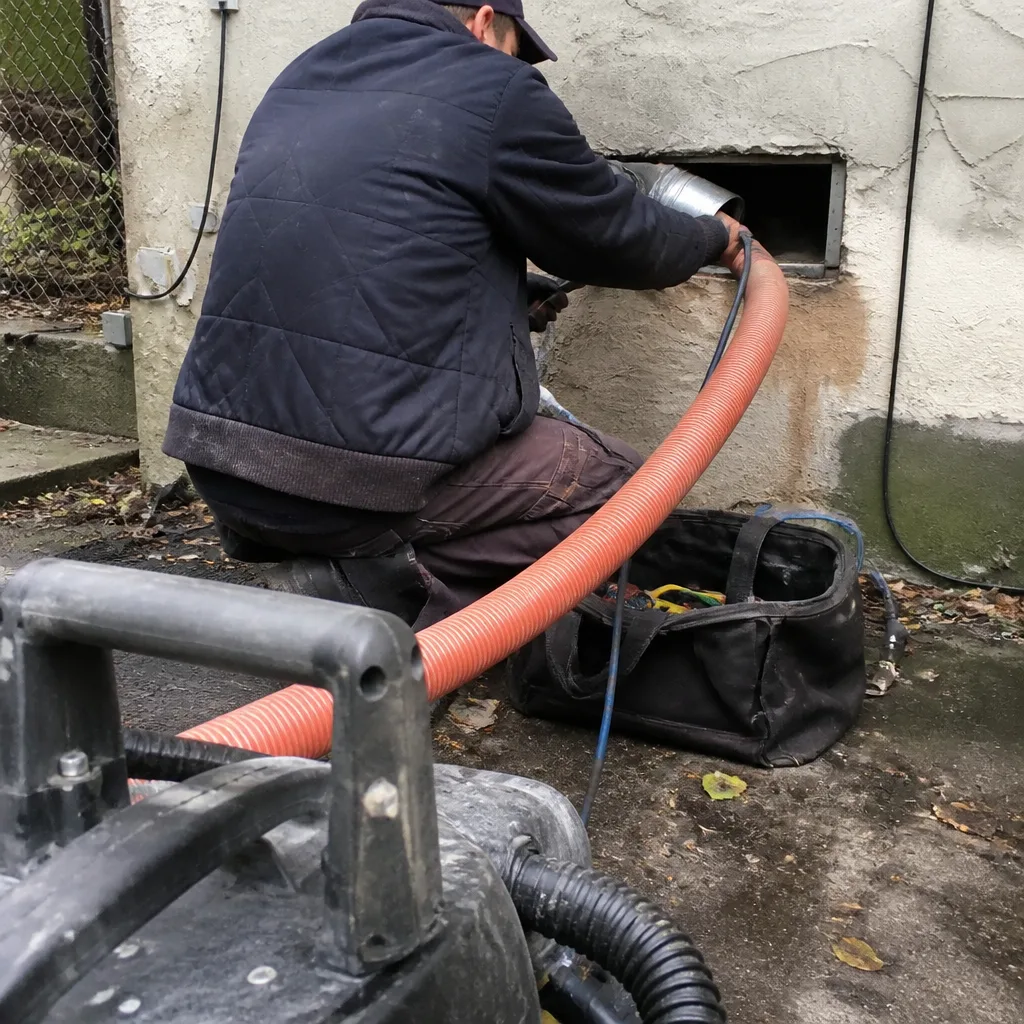 Before
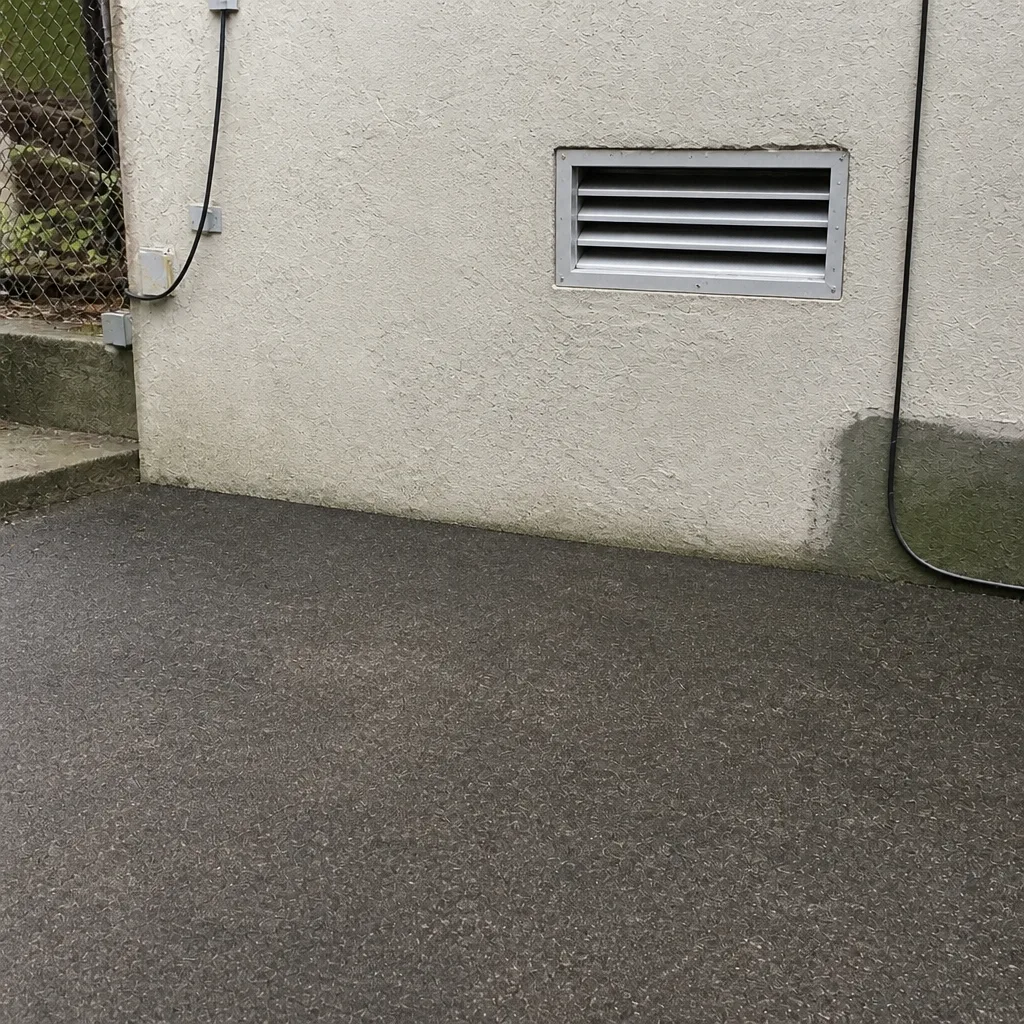 After
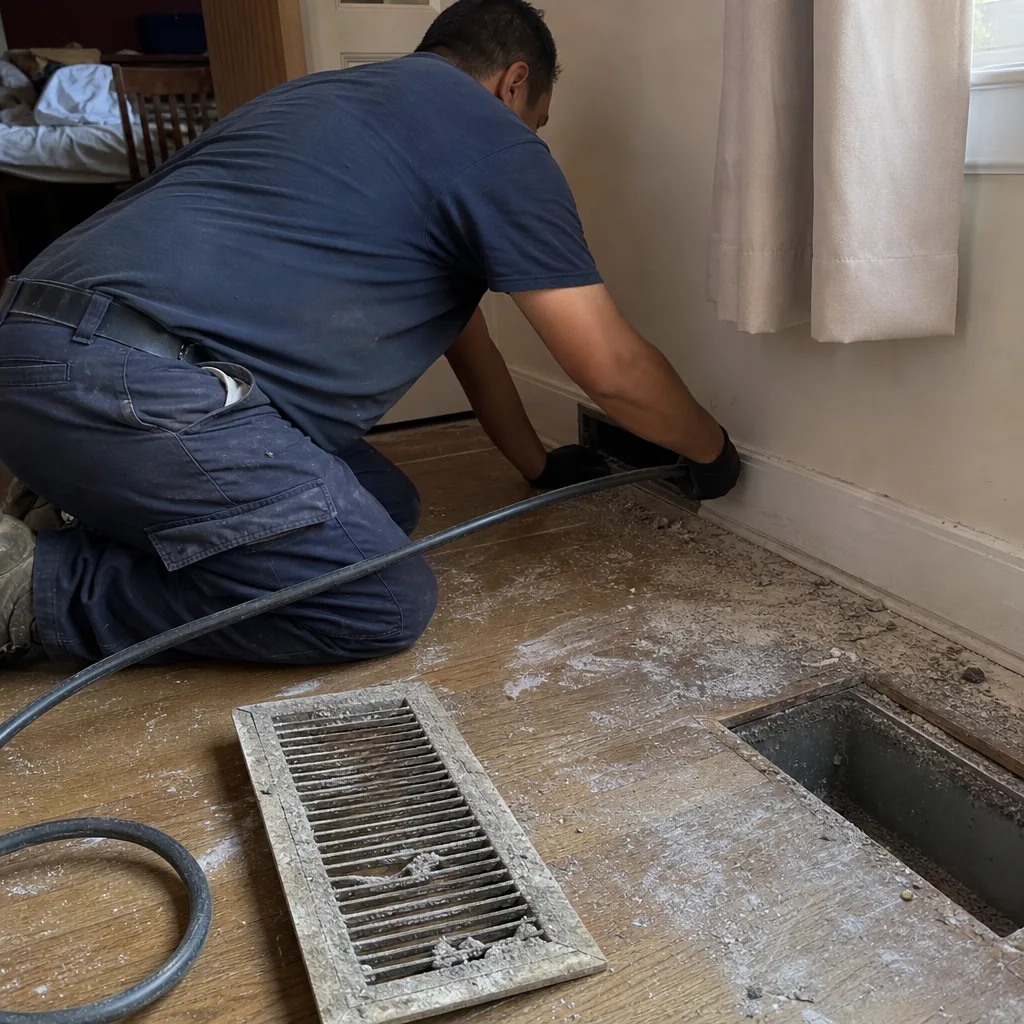 Before
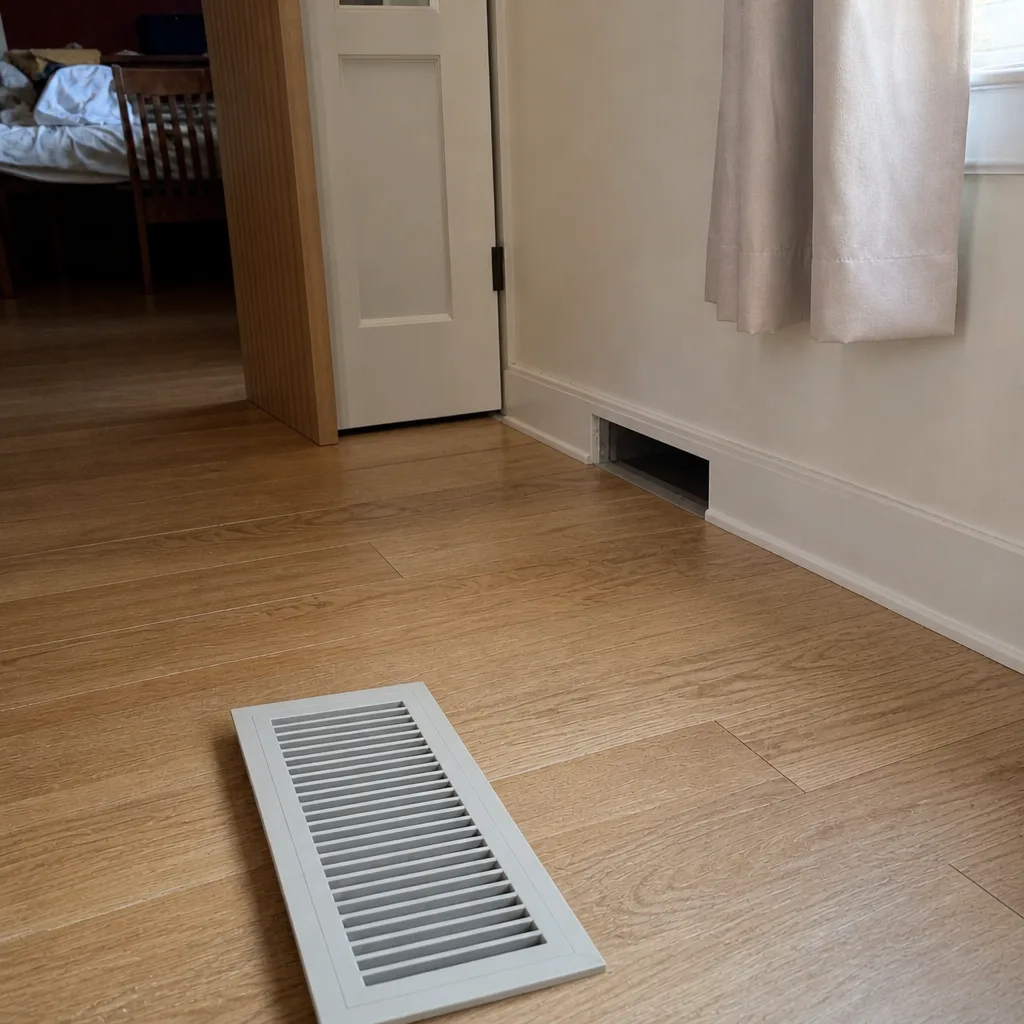 After
 Before
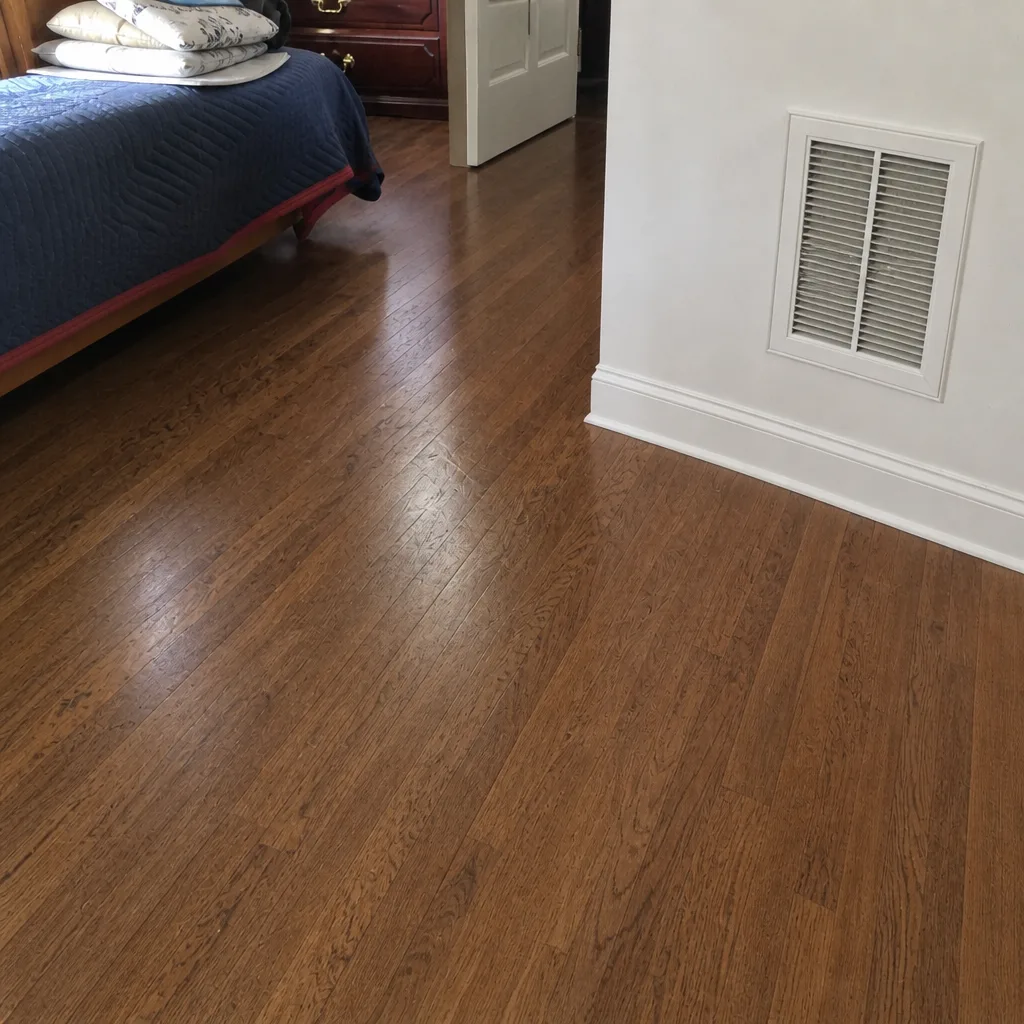 After
When to Call a Professional
Some scenarios call for professional eyes even if your log looks routine: visible debris blowing out of a register, persistent musty odor, visible condensation or water staining on ducts, a return grille with a clear bypass gap, uneven airflow that’s worsened over several months, or an apartment with allergies or asthma where dust levels are a health concern. After a renovation is another moment, because construction dust settles deep in a system in ways household vacuuming can’t reach. If your building is older and you’ve never had the ducts inspected, that alone is a good reason to start. Air Duct Cleaning Upper West Side offers free estimates in Upper West Side – call (855) 552-7560. We answer 24/7, with fast dispatch from 7am to 7pm, Sunday through Friday. The written estimate sets the price per job, and there’s no per-vent pricing or surprise numbers at the end.
Frequently Asked Questions
Most Upper West Side apartments do well with professional duct cleaning every few years, but the right interval depends on your specific indicators rather than a fixed calendar. High-rise buildings with street dust, window AC units pulling outdoor air, high humidity swings, and recent renovations all shorten the interval. Use the monthly and seasonal checks to spot when your logs point to cleaning being due. Call (855) 552-7560 for a free estimate and an honest assessment.
Bypass gaps at return grilles and supply registers are the most frequent issue we see in retrofitted Upper West Side apartments. When a grille doesn’t seal against the wall, the system pulls unfiltered air past the filter and loads the ducts regardless of filter changes. Duct repair and sealing addresses the root cause. Call (855) 552-7560 to schedule an inspection.
Three reliable indicators: visible dust blowing from registers when the system starts, a musty or dusty smell that appears with airflow, and a log showing increasing dust and declining airflow over a few months. Together, they’re a strong signal. Any one alone is worth a look. Call (855) 552-7560 for a professional assessment; estimates are free.
Yes, from both directions. Steam heat in winter dries out seals and grille connections, opening bypass points, while window AC units in summer bring in humid outdoor air that can condense inside ductwork. Both conditions accelerate biological growth. A cheap hygrometer and a monthly reading are enough to catch the pattern. Call (855) 552-7560 if you spot moisture or odor together.
Monthly visual checks, filter checks, humidity readings, and keeping a performance log are all things you can and should do without professional help. What you shouldn’t do yourself is anything involving opening or modifying ductwork, sealing penetrations, or treating microbial growth. Those call for professional equipment and expertise. Call (855) 552-7560 to discuss what your situation needs.
Start with your managing agent and your proprietary lease or bylaws to clarify what’s building-managed versus unit owner responsibility. Building-managed components usually require coordination through the managing agent before any work happens. Once that’s clear, a professional inspection can map your unit’s air pathway and separate what’s yours from what’s the building’s. Call (855) 552-7560 to talk through the details.
The Bottom Line
The Upper West Side maintenance checklist isn’t a cleaning schedule; it’s a monitoring system for the specific failure points this housing creates. Monthly checks of filters, grilles, and registers catch bypass gaps before they load your ducts. Seasonal checks tied to steam heat and window units catch the transitions that stress the system. Humidity readings catch what comfort hides. A performance log turns all of it into a clear signal for when professional cleaning, duct repair and sealing, or sanitizing is genuinely needed, so you’re replacing guesswork with evidence. Start with this month’s five-minute walkthrough. Schedule a free estimate when the log tells you it’s time. Air Duct Cleaning Upper West Side offers free estimates – call (855) 552-7560. We answer 24/7, with fast dispatch from 7am to 7pm, Sunday through Friday.
Written by the team at Air Duct Cleaning Upper West Side.