
Last updated November 22, 2026
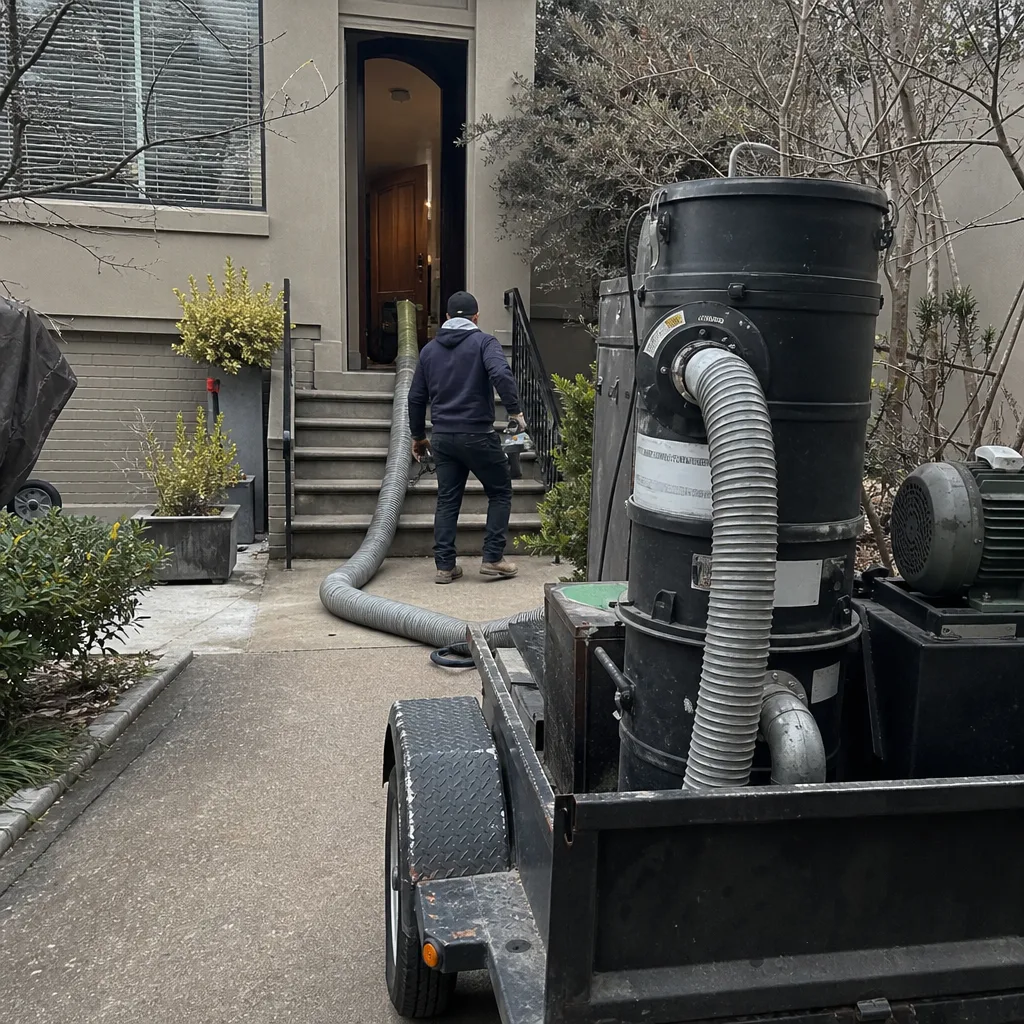
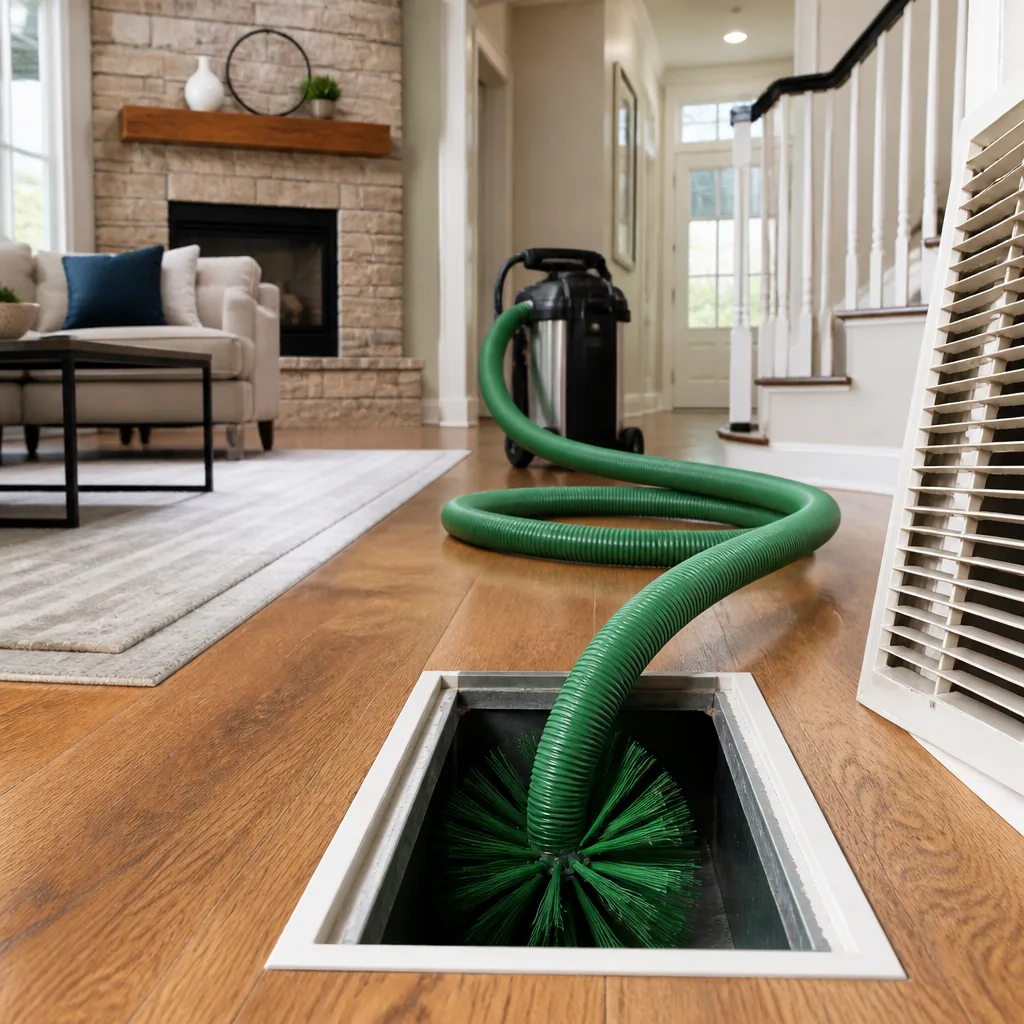 Whole-home duct cleaning
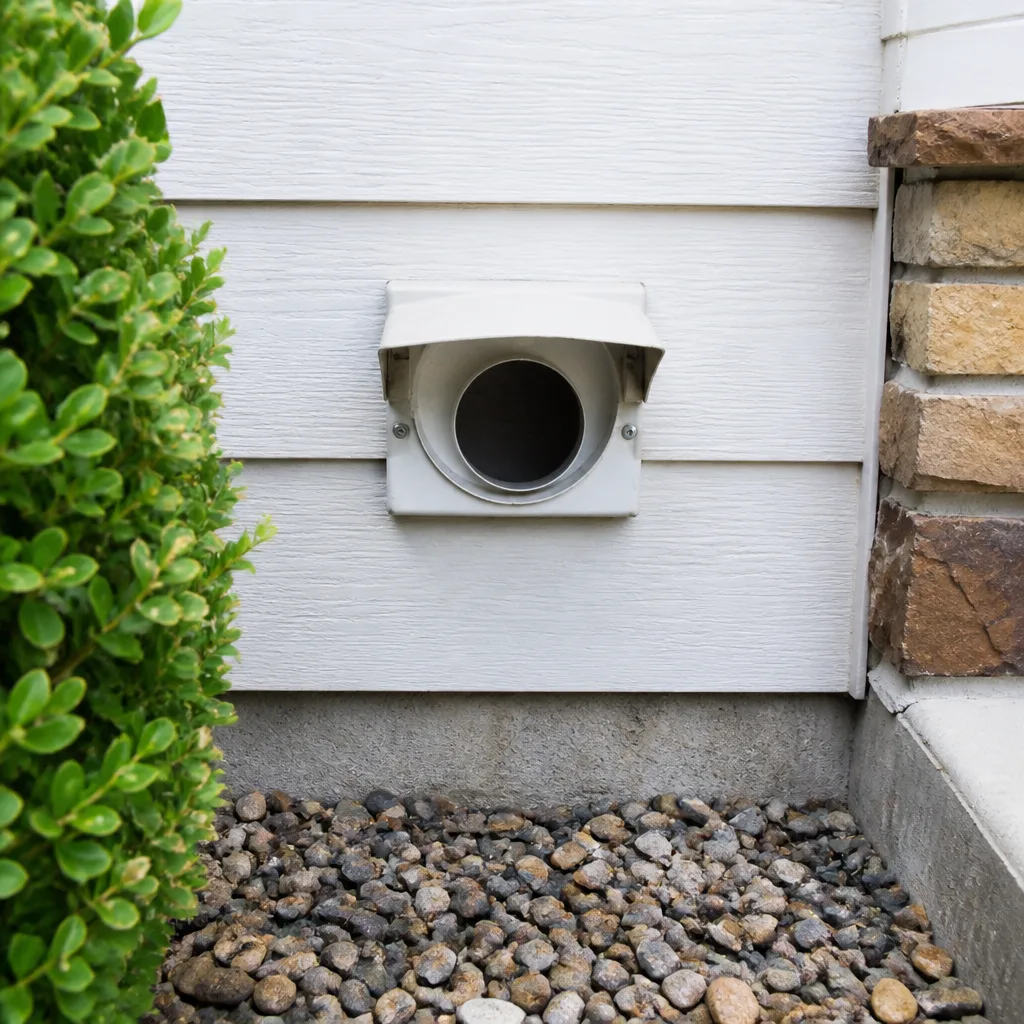 Dryer vent cleaning
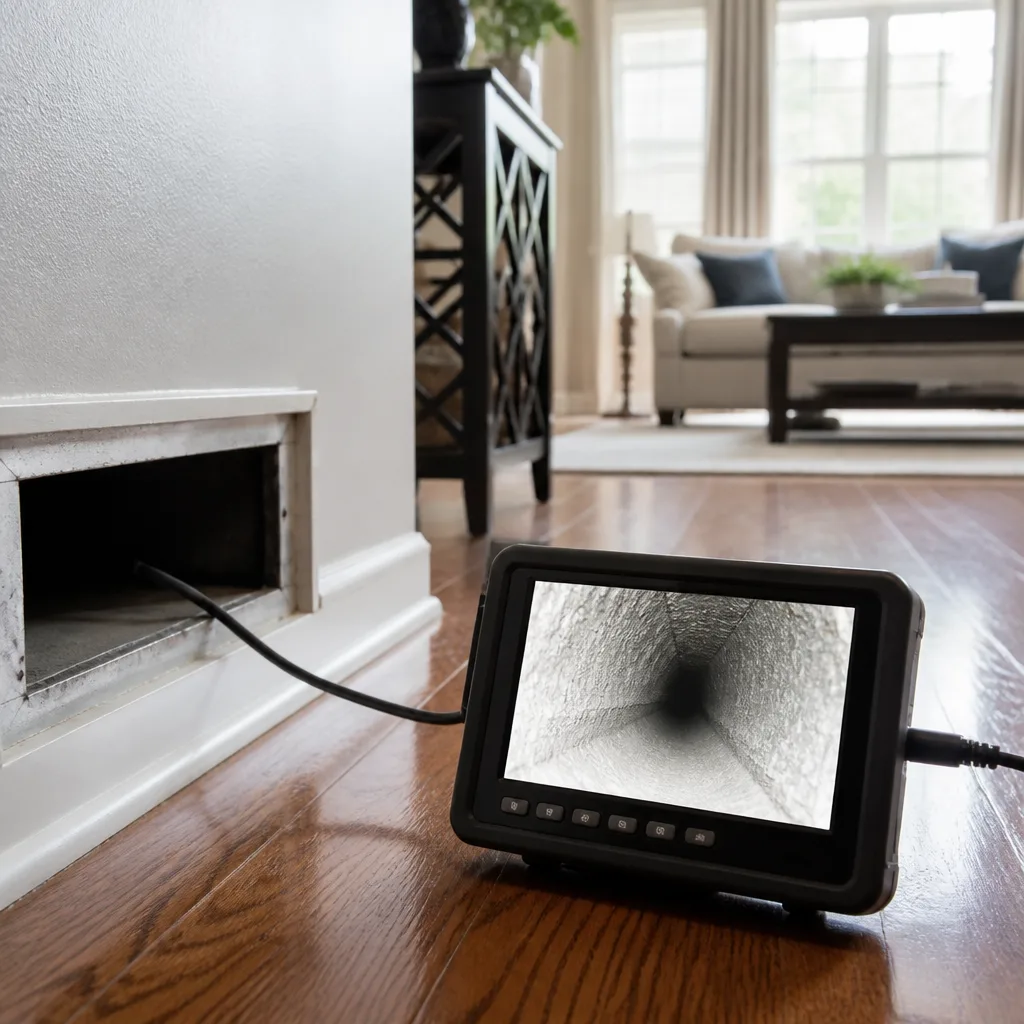 Camera inspection
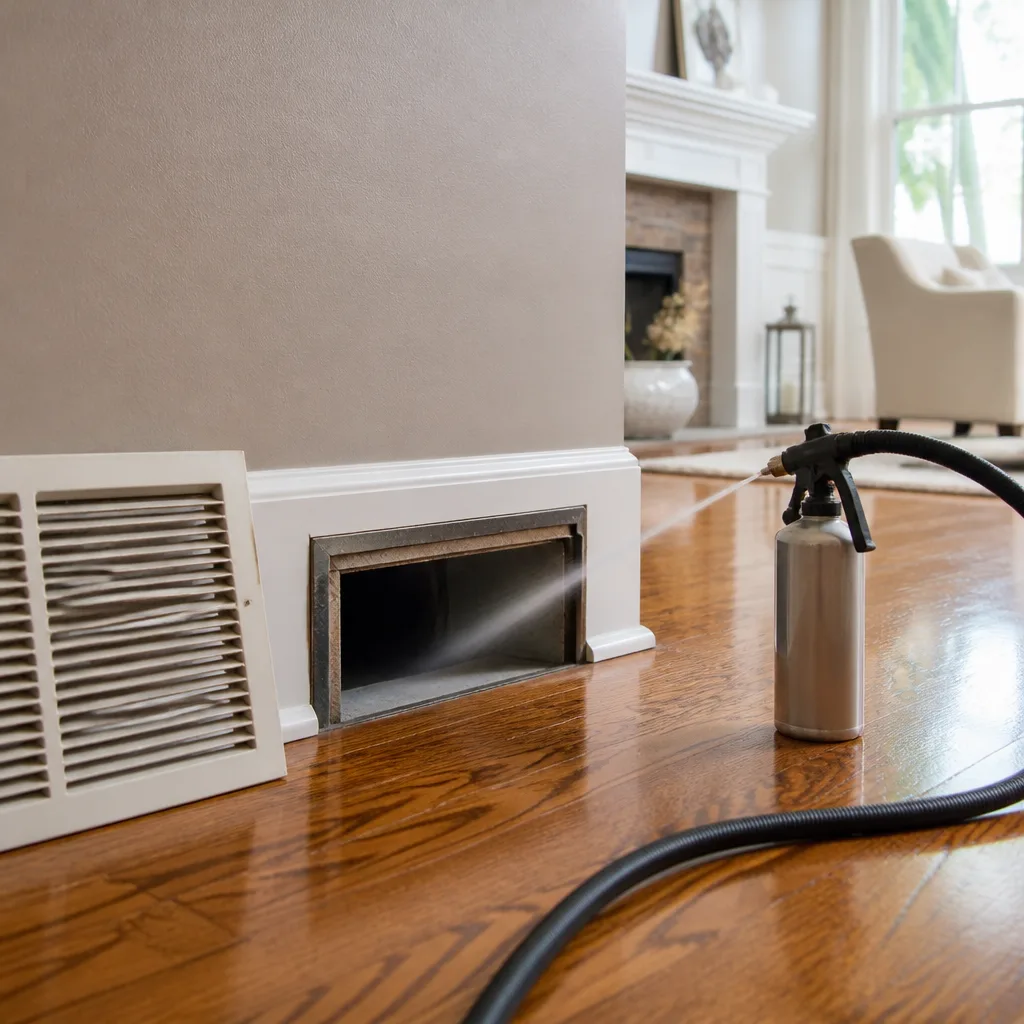 Sanitizing & deodorizing
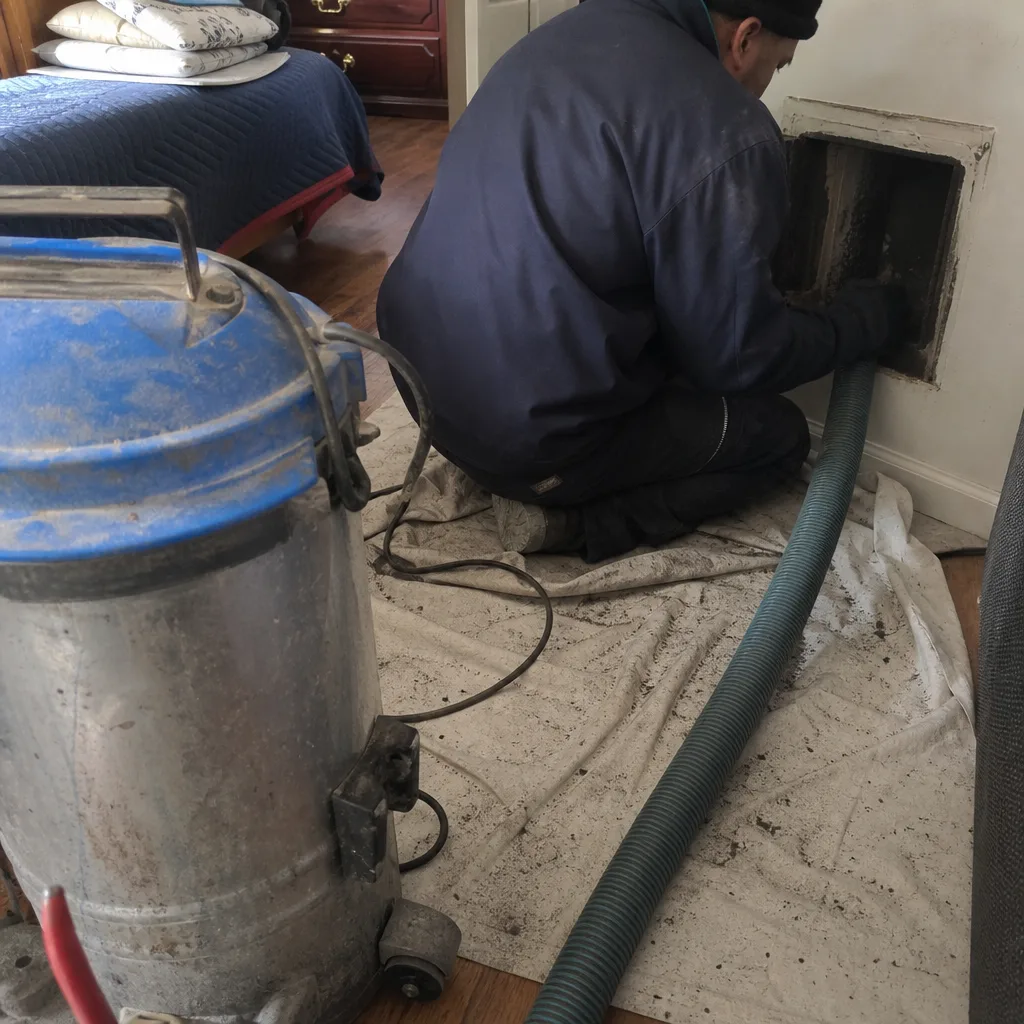
Whole-system duct and dryer vent check with before-and-after photos - you see exactly what came out of your vents
That "$99 whole-house special" is a bait ad - the real number appears once they are in your hallway, or the "clean" is a shop-vac at the register. We photograph the inside of your ducts before and after instead.
Air Duct Cleaning Cost Breakdown: The Upper West Side Homeowner’s Reference for 2026
A $300 quote and a $900 quote for the same Upper West Side apartment aren’t necessarily about profit margin. They’re usually quoting different jobs. The $300 crew may clean the supply registers and hit the trunk lines with a shop vacuum, which is maybe 20% of what the $900 crew is actually doing. The gap isn’t greed; it’s scope, access, and equipment. This guide breaks down what drives the price of duct cleaning in Upper West Side buildings specifically, what a full-system clean actually includes, why per-vent pricing misleads you, and how to read a quote so you’re comparing the same work. By the end you’ll have a framework to evaluate any estimate, not just a number to compare.
Quick Answer
Air duct cleaning in Upper West Side typically runs $550 to $1,400 for a full-system clean on a standard apartment, with larger pre-war layouts, multi-zone systems, and heavy sanitizing pushing toward $1,800 or more. The single biggest cost driver in this neighborhood isn’t the size of the apartment; it’s building access (elevator reservations, co-op work rules, walk-up flights) and how much of the system is actually being cleaned. Per-vent pricing hides all of this, which is why we quote per job by written estimate after seeing the system.
Styles & brands we work with
- Whole-home duct cleaning
- Dryer vent cleaning
- Camera inspection
- Sanitizing & deodorizing
Table of Contents
- What drives duct cleaning cost in Upper West Side
- Line-item breakdown of a full-system clean
- Why per-vent pricing is a poor value metric
- Add-on costs: sanitizing, sealing, access panels
- Red flags in low quotes
- What to check before you book
- Building logistics and co-op rules
- Common mistakes to avoid
What drives duct cleaning cost in Upper West Side?
Duct cleaning costs more in Upper West Side than the national average, and it’s not simply because everything in Manhattan costs more. The structure of the work is different here. Four factors do most of the lifting, and each one shows up on your invoice as labor hours or equipment time.
1. Building access logistics. Most Upper West Side apartments sit in co-ops or condos with elevator reservation rules, service entrance windows, and building staff scheduling. A crew can lose an hour just getting equipment to a unit. That hour is real and it’s reflected in the estimate.
2. Elevator time. A Rotobrush system and a Nikro commercial vacuum are not carry-on luggage. They’re bulky, heavy, and require careful transport. In a building with a single passenger elevator and a freight elevator you have to reserve, the job is scheduled around that freight window, not the other way around.
3. Older duct geometries. Pre-war and mid-century buildings on the Upper West Side often have rigid sheet-metal trunks with long branch runs, mismatched retrofit sections, and sometimes flex duct spliced in during a renovation decades later. Navigating those configurations takes more time, more hose, and more judgment than a modern suburban system with clean right angles.
4. Full-system scope. A real clean covers the entire air pathway, not just the visible registers. When the quote covers trunk, branches, returns, air handler, coil, and drain pan, it naturally costs more than a quote that only touches the vents.
You’ll see comparable structuring across the city; our Air Duct Cleaning Upper West Side page walks through how the same variables apply block by block.
What’s actually in a full-system clean?
A proper full-system clean breaks down into seven components. A quote that covers all seven is the only one worth comparing against another full-scope quote. Here’s what a complete job looks like, in order of typical execution:
- Main trunk lines. The primary supply channels running from the air handler. Cleaned with contact agitation and negative-pressure extraction, not just suction.
- Branch runs. The secondary ducts feeding individual rooms. These are where most of the visible register dust comes from, but they’re often skipped by low quotes.
- Supply registers and grilles. Removed where accessible, cleaned, and in some cases washed and reinstalled. Not just vacuumed in place.
- Return ducts. The other half of the loop. A system cleaned only on the supply side recirculates whatever’s sitting in the returns.
- Air handler cabinet. Interior surfaces of the cabinet that house the blower and filter rack. Often the dirtiest single component.
- Evaporator coil. The coil that conditions the air. A dirty coil reduces efficiency and becomes a microbial growth surface. Cleaning it is part of HVAC cleaning, not just duct work.
- Drain pan. The condensate tray under the coil. If it’s not cleaned, standing moisture and biological growth remain in the system you just cleaned.
When we quote an Upper West Side job, the written estimate itemizes which of these seven are covered. If a quote doesn’t say, ask. Detailed scope discussion lives on the air duct cleaning service page, and the HVAC-side work is explained under HVAC cleaning.
Why per-vent pricing is a poor value metric
Per-vent pricing is the duct cleaning equivalent of buying meat by the pound without knowing what cut you’re getting. It encourages a low number and a shallow job. The problem isn’t that per-vent pricing is dishonest; it’s that it doesn’t map to the work.
Consider two Upper West Side apartments of the same square footage. One has six supply runs and two returns on a single-zone system. The other has nine supply runs across two zones with a hydronic air handler and a separate return manifold. A per-vent quote prices these identically per vent and ignores the second configuration’s greater labor, more complex coil access, and longer trunk lengths. The customer comparing per-vent numbers thinks they’re comparing apples to apples. They aren’t.
A scope-based model works differently:
- The estimate names every component of the air pathway that will be cleaned (from the list above).
- Access constraints (co-op scheduling, elevator, walk-up) are factored into the labor estimate openly, not buried.
- Equipment required (Rotobrush air-driven agitation, Nikro HEPA extraction, negative-air containment where needed) is specified.
- The price is one flat number per system, agreed in writing before work starts.
If a quote only gives you a per-vent figure, ask what’s included in “a vent.” If the answer is “the register and the branch,” you’re talking about a partial clean, and the price should be evaluated on that basis.
What do sanitizing, sealing, and access panels cost, and when are they justified?
Add-ons are where quotes diverge most and where upselling is easiest. Here’s the honest framing for each: what it costs, what it does, and when it’s actually necessary versus optional.
Sanitizing / antimicrobial treatment
Typically $150 to $400 depending on system size and treatment method. Justified when there’s visible biological growth, a confirmed moisture problem, recent water intrusion, pest activity, or an occupant with significant respiratory sensitivity. A sanitizing step performed with Abatement Technologies air scrubbers and negative-air containment is a higher standard than a deodorizer spray fogged into a vent. Guardsman-grade protective treatments are used to extend the result. Not justified when the system is clean, dry, and has no odor or growth. Skip it if a quote leads with it before the system is even inspected.
Duct sealing
Typically $300 to $900 depending on accessibility and coverage. Justified when there’s measurable air loss at joints, disconnected sections, or return-side leakage pulling contaminated air from unconditioned spaces. Sealing is close-out work: clean first, then seal, so you’re not sealing dirt into the duct. Duct repair and sealing is a core offering for us precisely because cleaning without sealing leaves the same gaps that caused the problem.
Access panel installation
Typically $75 to $200 per panel, sometimes included. Justified when the duct system has no service access, which is common in older buildings. A clean you can’t verify isn’t really a clean. Panels let a camera and agitation tool reach trunk sections that would otherwise be missed.
Dryer vent cleaning (standalone)
Typically $150 to $300 for a standard residential run. This is a safety service, not an upsell. Lint accumulation in a dryer exhaust is a leading cause of residential fires, and it’s frequently skipped by companies that only clean HVAC ducts. Details are on the dryer vent cleaning page.
When an add-on is presented, ask one question: what in your system was found that requires this? If the answer is a specific observation, it’s clinically justified. If the answer is a generic recommendation for everyone, it’s an upsell.
Red flags in low Upper West Side duct cleaning quotes
A low quote isn’t automatically a bad quote, but you should know what it’s leaving out and what that costs later. These are the patterns we see most often when a customer calls us after a cheap job went wrong:
- Supply-only scope. Returns, air handler, coil, and drain pan excluded. Cost of the exclusion: the system is half-cleaned, and the coil typically requires a separate service call within a year.
- No containment or negative air. Without negative-pressure setup, fine debris recirculates through the apartment during the job. Cost of the exclusion: you clean up after the crew, and the dust spread onto surfaces you didn’t hire anyone to touch.
- “Blow-and-go” method. A shop vacuum or leaf blower through the registers, no contact agitation, no extraction. Cost of the exclusion: nothing was actually removed. Debris is just loosened and re-settled.
- No camera or before/after documentation. If you can’t see inside the ducts or the interior of the air handler, you can’t verify the work was done. Cost of the exclusion: full price paid, no way to know what you got.
- Per-vent floor price with mandatory add-ons quoted on-site. The advertised number was never the real number. Cost of the exclusion: the price you agreed to mentally was 40% to 60% below the final invoice.
- No written scope. If the estimate doesn’t itemize what’s covered, the crew on-site will decide, and you’ll decide under pressure. Cost of the exclusion: scope creep or an incomplete job you don’t find out about until the next HVAC service.
- No sealer specification. Even where cleaning is thorough, unsealed joints and connections let the same air loss persist. Cost of the exclusion: recurring contamination and higher energy use.
The throughline is scope, not price. A $300 quote and a $900 quote can both be honest. But they’re only comparable if you know what each one is actually covering. Call (855) 552-7560 if you want a written full-scope estimate on your system for comparison. We answer 24/7. Fast dispatch from 7am to 7pm, Sunday through Friday.
What to check before you book a duct cleaning in Upper West Side
Before you sign anything, run this short checklist. Each item is something you can ask any provider on the phone, and the answers tell you more about the quality of the job than the price does.
- What equipment will be used? The answer should name specific professional-grade systems: Rotobrush contact cleaning, Nikro commercial extraction, Abatement Technologies scrubbers for sanitizing, or equivalent. “Shop vacuum” or “specialized” without naming it is a warning sign.
- Is containment part of the job? Negative-air and HEPA filtration during the work protects your apartment. Ask directly.
- What’s the scope, in writing? Full-system coverage of the seven components above, or a partial service?
- Will I get before-and-after photos? Any reputable provider will document the interior of your ducts and air handler. Insist on it.
- Is the price per job or per vent? Per-job scope-based pricing is the only model that lets you compare quotes honestly.
- Do they work with the air quality systems already in your home? If you have a Honeywell or Aprilaire air cleaner or humidifier in the system, the cleaning crew needs to know how to handle it. We’re trained on both.
- Is the local professional licensed and insured as New York requires? This is a legitimate question. The vetted local pro that performs the work is licensed and insured as their state requires.
Our Air Duct Cleaning Upper West Side page covers how a job runs in this neighborhood if you want more on the process.
Co-op rules, elevator reservations, and building logistics
The cost of duct cleaning in Upper West Side is shaped as much by building logistics as it is by duct geometry. If you’re in a co-op, a condo, or a post-war rental, these are the moving parts worth understanding before you book.
Freight elevator reservations
Most Upper West Side co-ops require equipment to be moved only through the service or freight elevator, and those elevators are typically reserved on a first-come basis. A crew that has done this before will factor in build-queue time when quoting. A crew that hasn’t will underestimate the labor, then either rush the job or add cost on the back end. The estimate should account for it up front.
Co-op alteration agreements and management approval
Some buildings require a short form of work agreement or a certificate of insurance on file before a contractor enters. This isn’t unique to duct cleaning, but it means the booking process takes a few extra steps. Ask what the building’s management office needs and get it in motion early. A provider who has worked in the co-op world regularly will already know the questions.
Walk-up buildings
In the walk-up stretches of the Upper West Side, equipment is hauled upstairs. That’s real labor and it’s reflected in the price. If your building is a five-floor walk-up, expect the estimate to include the stairs.
Renovation dust
If you’re mid-renovation or just finished one, this is the highest-value time to clean. Drywall dust, sawdust, and construction debris migrate through the entire system during the process. Sealing returns with a temporary cover during renovation protects the system, and a cleaning after the dust settles removes what got past it. Same for a building’s own renovation in an adjacent unit that shares any part of the HVAC pathway, which is more common than you’d think in older buildings.
Common Mistakes to Avoid
- Comparing bottom-line numbers without comparing scope. A $500 job that cleans the supply side and a $1,100 job that covers the full air pathway aren’t the same purchase. Read both scopes first, then compare prices.
- Believing the lowest advertised price is the price you’ll pay. A per-vent teaser figure frequently becomes a much larger invoice once the crew is on-site and finds “necessary” add-ons. A written scope-based estimate up front is the safeguard.
- Skipping the air handler and coil because “the ducts are what matters.” The air handler and coil are where the air you breathe actually gets conditioned and where growth accumulates. A duct clean without the air handler is a partial job.
- Cleaning the system without sealing afterward. If joints, connections, and disconnected sections stay open, the same air loss and contamination pathways persist. Sealed and clean is the goal.
- Forgetting the dryer vent. It’s on a separate exhaust path and it’s a fire-risk component. Many duct-only companies skip it. Have it cleaned as part of the same visit if possible.
- Hiring without checking equipment documentation. If the provider can’t tell you what equipment they run, then the cleaning is probably happening with a shop vacuum and a hose. Ask for specifics and photos.
- Not asking about building approval in advance. On the Upper West Side, co-op rules are a scheduled delay if you haven’t checked. Confirm elevator reservations and any building paperwork early or reschedule.
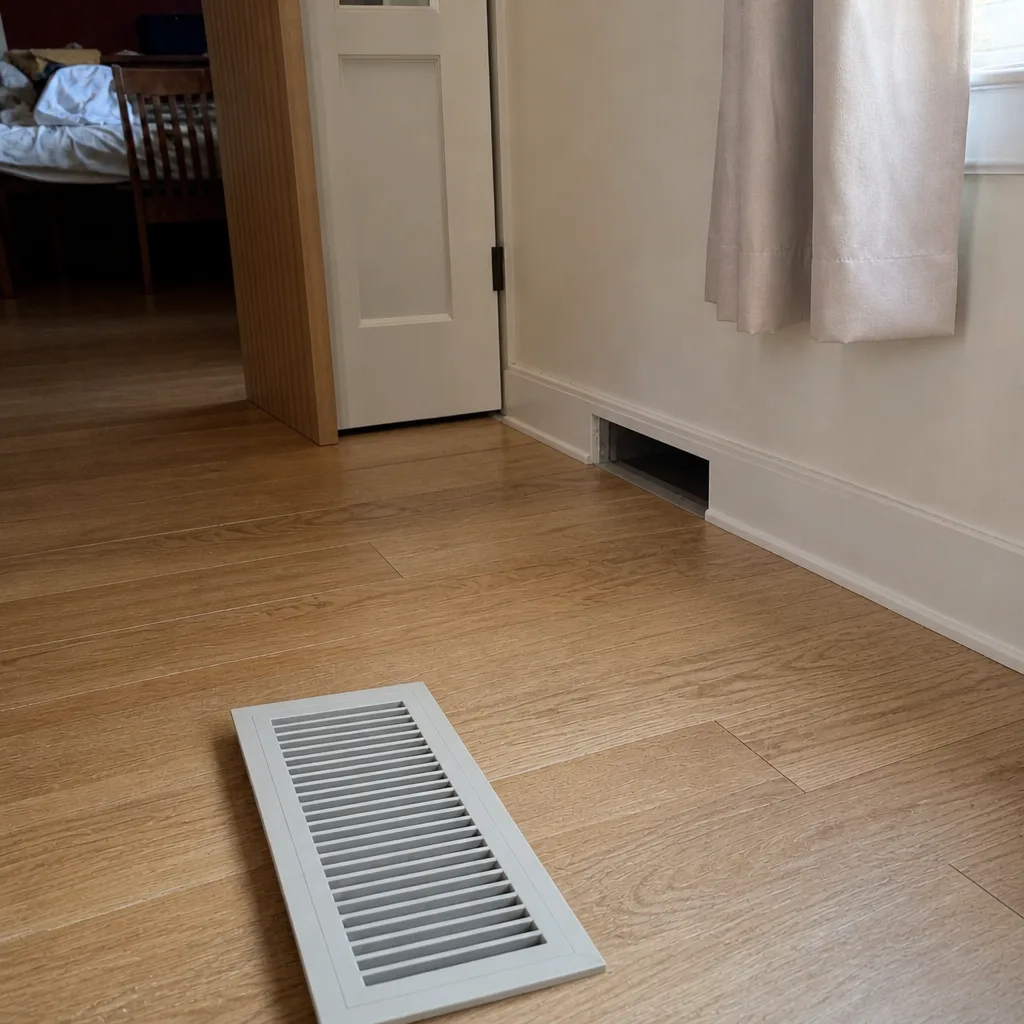
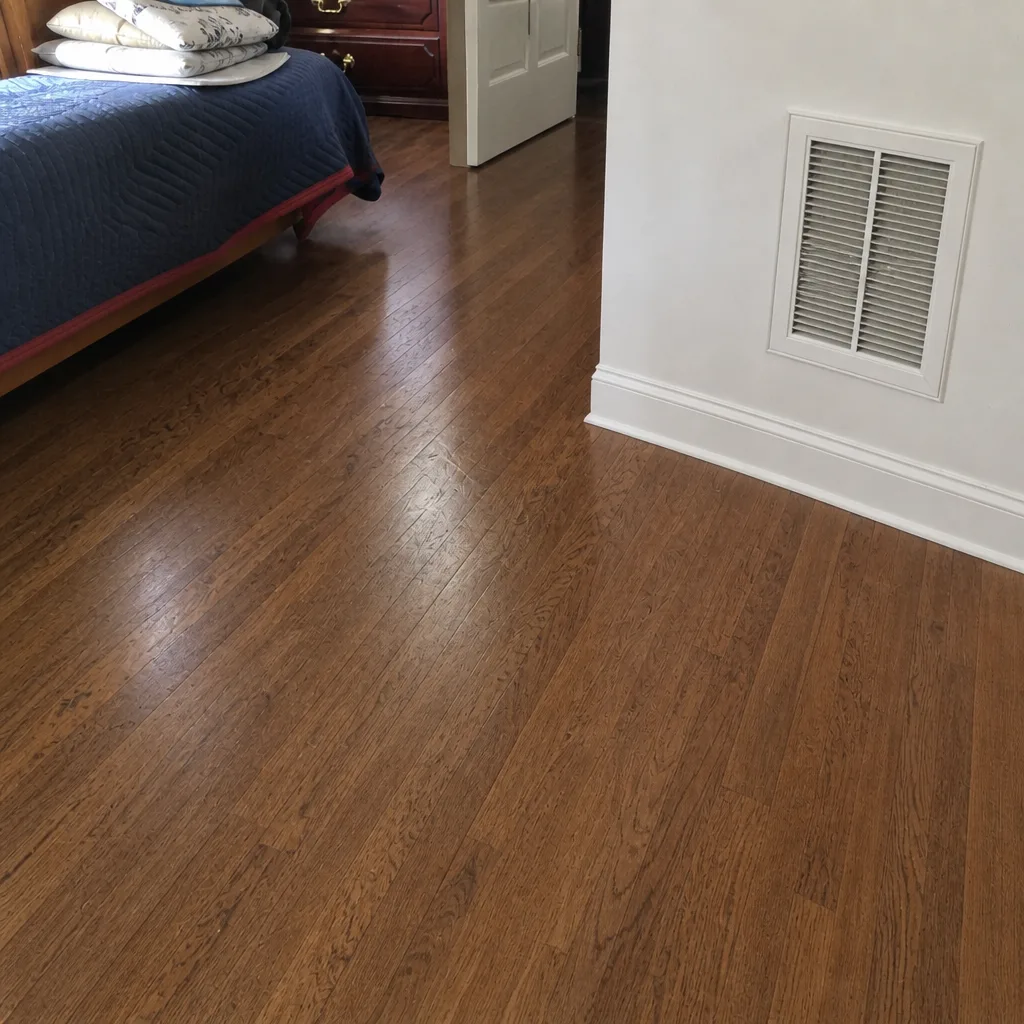
See the difference
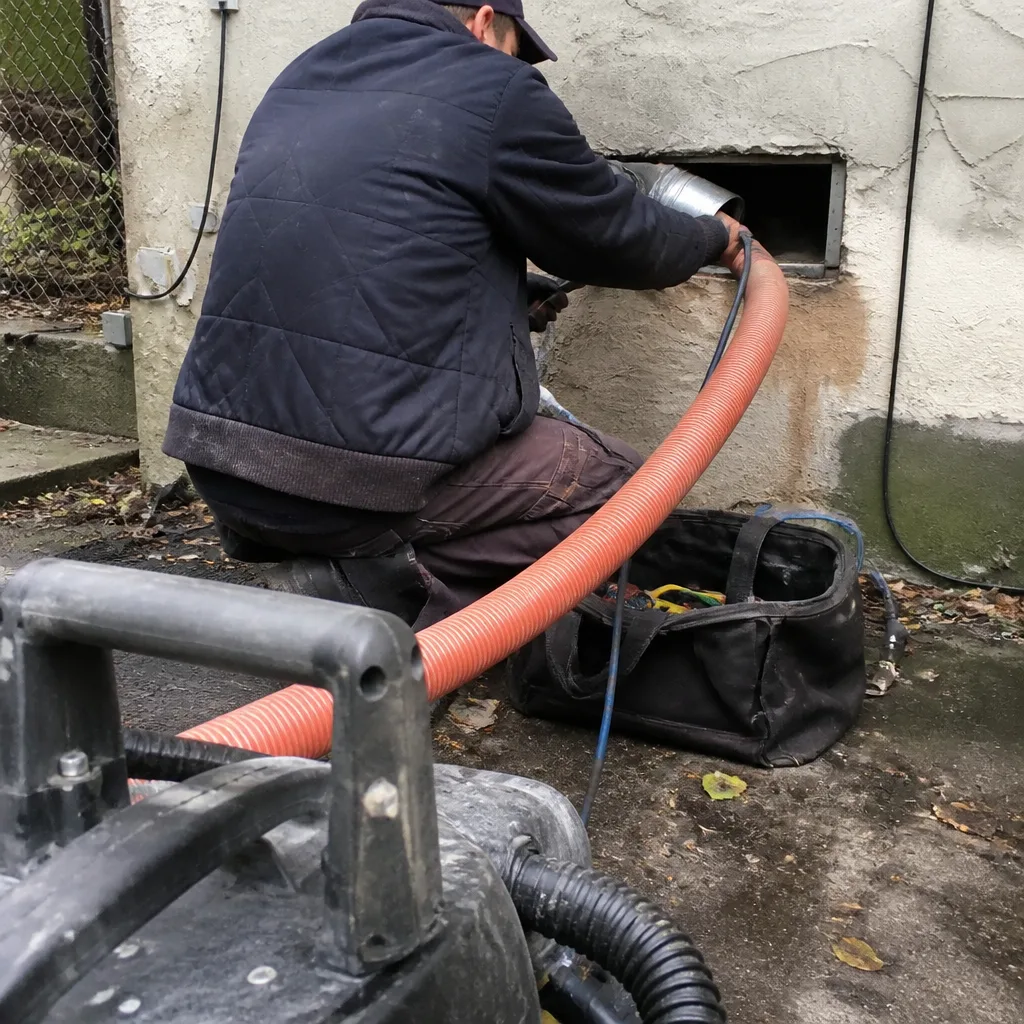 Before
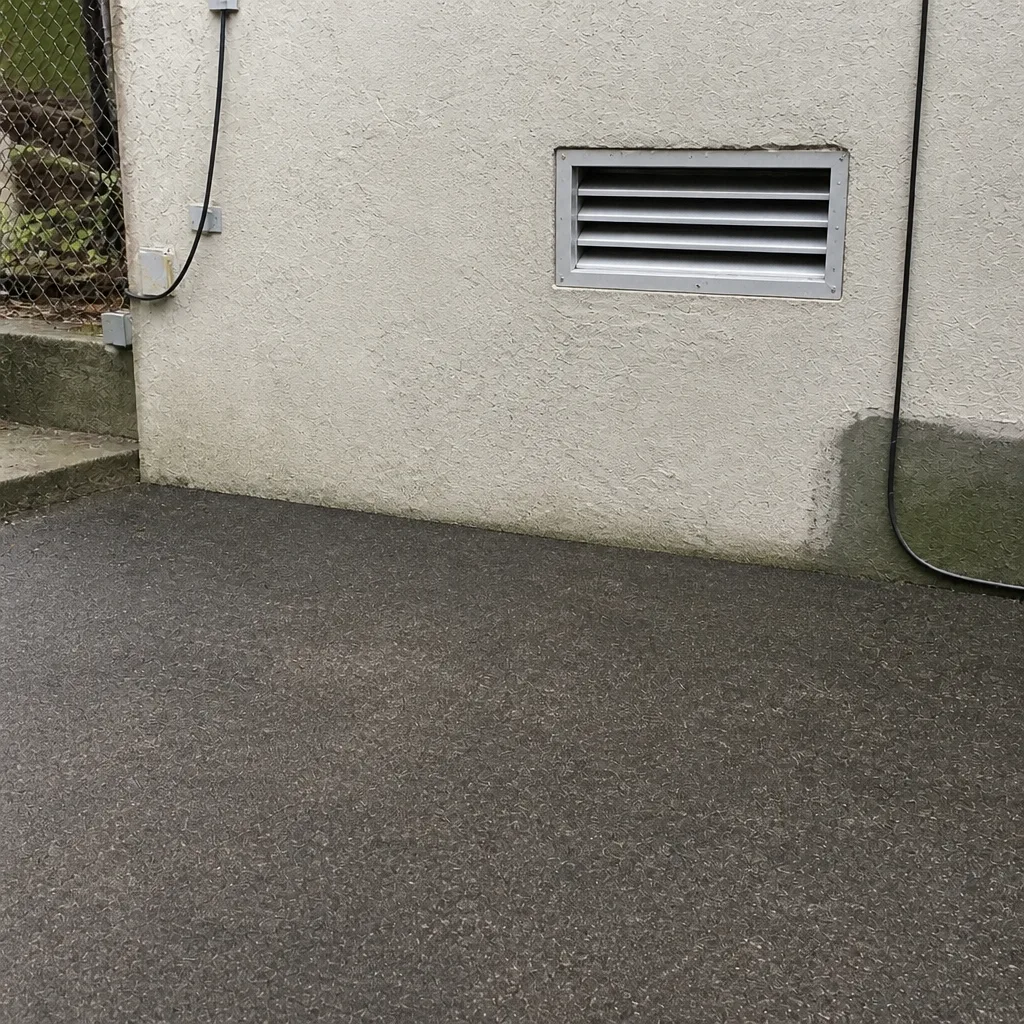 After
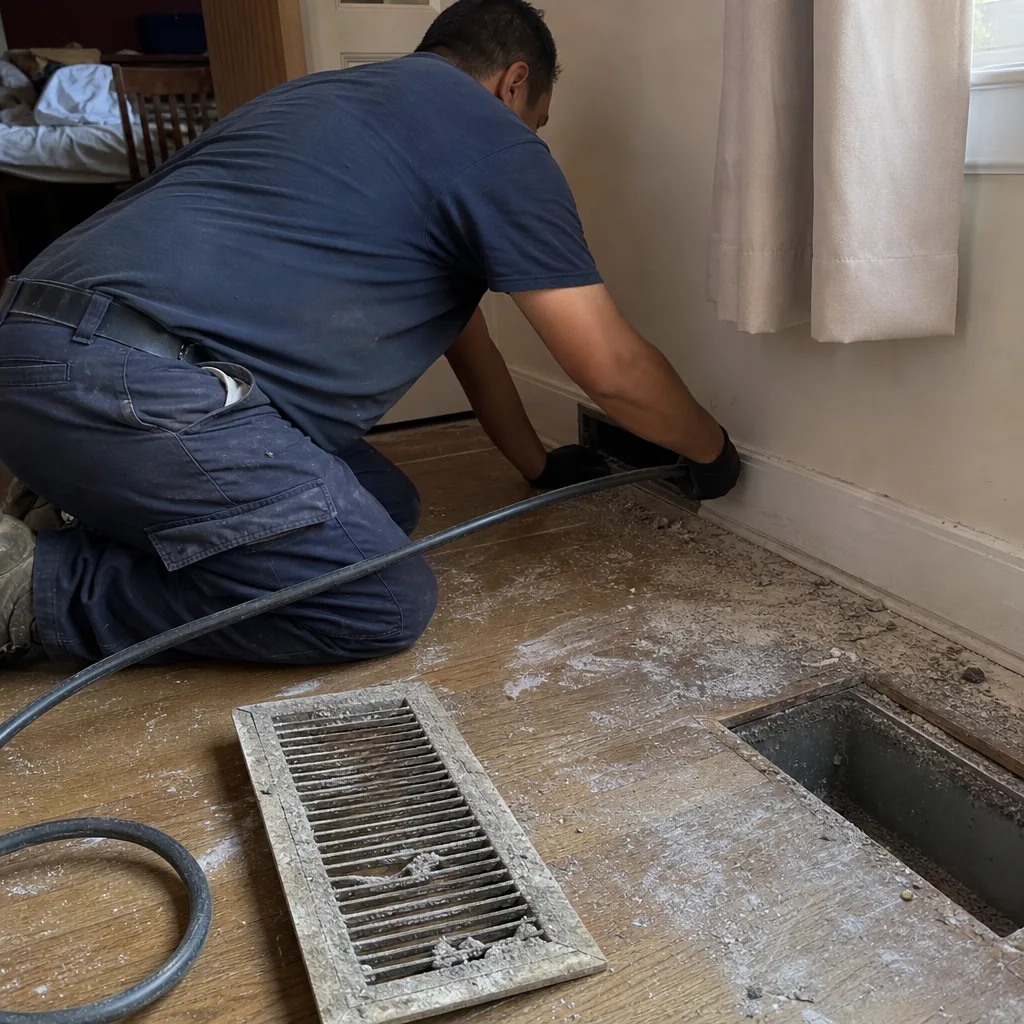 Before
 After
 Before
 After
When to Call a Professional
Not every dusty register means the whole system needs cleaning, but specific conditions do. Call a professional if you’re seeing visible dust plumes from a supply register when the system turns on, if a family member with asthma or allergies has symptoms that get worse indoors, if the system has been through a renovation, if there’s any musty odor on start-up, if you’ve noticed a persistent biological smell near the air handler, or if you’ve never had the system cleaned and don’t know its history. Any of those is reason enough to have someone look at it. Air Duct Cleaning Upper West Side offers free estimates in Upper West Side. Call (855) 552-7560. We answer 24/7, with fast dispatch from 7am to 7pm, Sunday through Friday.
Frequently Asked Questions
Most full-system cleanings in Upper West Side land between $550 and $1,400, with larger multiple-zone and pre-war systems, heavy sanitizing, or significant duct repair pushing higher. The estimate sets the final price and is agreed in writing before work starts. Call (855) 552-7560 for an exact quote. Estimates are free, and we answer 24/7.
Cheaper quotes are usually quoting less work: no return or air-handler cleaning, no containment, no camera documentation, and sometimes no actual contact agitation. The price reflects a partial clean, not a bargain on a full one. Ask any provider what’s in scope and compare like-for-like before deciding. Call (855) 552-7560 if you want a scope line-item to use as a comparison.
Ask for before-and-after photos of your own ducts and air handler, and ask what equipment is being used. A Rotobrush and Nikro setup physically agitates and extracts debris; a shop vacuum doesn’t. If a provider can’t show you the interior of what they cleaned, you have no way to verify. Call (855) 552-7560 for an estimate that includes before-and-after documentation.
For most Upper West Side households, every three to five years is a reasonable interval, but the trigger should be observations rather than a calendar. If you have pets, allergies, a recent renovation, or an older building’s original HVAC, more frequent cleaning is worth considering. If you’ve moved into a new-to-you apartment, have it done once as a baseline. Call (855) 552-7560 to talk through your situation; the estimate is free.
Yes. Co-op freight elevator rules, service entrance windows, and alteration agreements are a normal part of scheduling in Upper West Side buildings. We factor these into the estimate up front so the job doesn’t get compressed or rushed. Call (855) 552-7560 and have your building’s rules handy so we can quote accurately. We answer 24/7, with fast dispatch from 7am to 7pm, Sunday through Friday.
Sealing matters when there’s actual air loss at joints, disconnected sections, or return-side leakage. In a system with those issues, cleaning without sealing lets the same problems regroup. If a provider inspects and finds no meaningful leakage, sealing isn’t necessary. If they recommend it, the recommendation should point to a specific observation. Call (855) 552-7560 for a free estimate; the technicians have up to 9 years of experience evaluating exactly this.
The Bottom Line
Duct cleaning prices in Upper West Side vary for reasons that are mostly about scope, access, and equipment, not markup. Co-op logistics, elevator reservations, older duct configurations, and the extent of the full air pathway being cleaned are what separate a $550 estimate from a $1,400 one. Per-vent pricing hides every one of those variables, which is why a scope-based, one-flat-price-per-system estimate is the only meaningful number to compare. Ask what equipment is being used, ask what’s actually in scope, ask for before-and-after photos. Then compare. The written estimate sets the final price, and the work should be documented end to end.
If you want a full-system, scope-based estimate on your Upper West Side apartment, call Air Duct Cleaning Upper West Side at (855) 552-7560. The estimate is free. We answer 24/7. Fast dispatch from 7am to 7pm, Sunday through Friday. The local professional we connect you with is licensed and insured as their state requires, and one flat price per system is agreed before work begins. You’ll get before-and-after photos of your own ducts so you can see what was cleaned.
Written by the team at Air Duct Cleaning Upper West Side.